Travel Medical Kit Essentials 2026: What To Pack For International Trips
Travel first aid kit checklist. Prescription medications, OTC essentials, allergy/emergency supplies, and what to leave at home — tested by travel medicine pros.
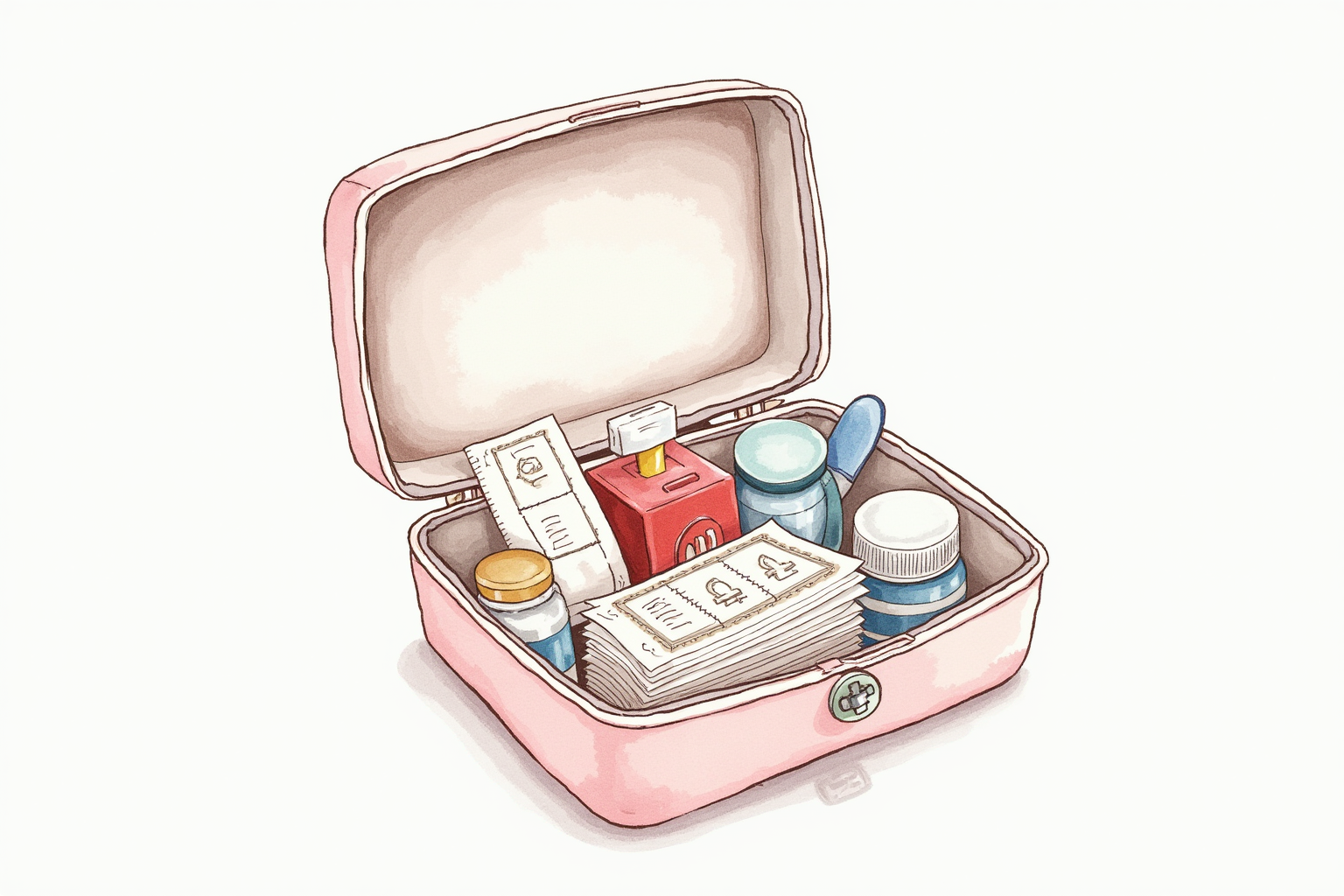
The travel medical kit is the small backup that prevents trip-ruining medical situations. A 30-50 dollar pre-packed kit plus your prescription medications covers 80 percent of likely health issues during international travel — minor injuries, traveler’s diarrhea, allergic reactions, motion sickness, and dehydration. We compiled the kit composition from CDC pack-smart guidance, travel medicine clinical practice, and field experience to provide a practical packing checklist for trips of various lengths and destinations.
The Core Kit Components
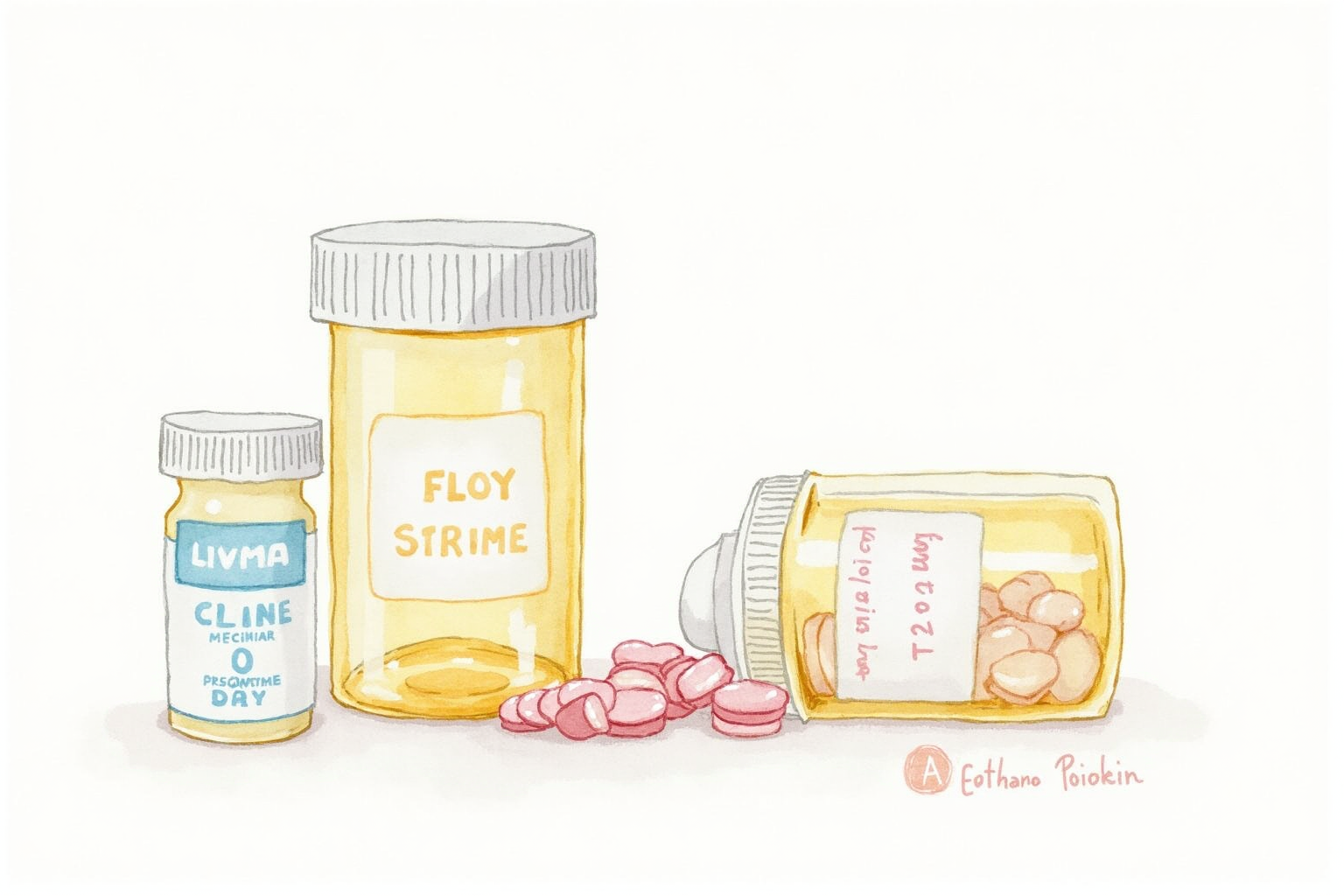
A complete travel medical kit divides into four functional categories: prescription medications you take regularly, over-the-counter remedies for common issues, first aid supplies for injury management, and destination-specific items based on regional risks.
For most international trips, the kit fits in a 1-quart zip bag in your carry-on. Larger kits for extended remote travel or families add bulk but follow the same structure. The kit lives in carry-on (not checked luggage) for two reasons: protection from temperature extremes that can damage medications, and access during the flight when motion sickness, allergic reactions, or other in-flight needs may arise.
Prescription Medications
Pelican 1170 Personal Medication Case
Price · $45-80
+ Pros
- · Waterproof crush-resistant case for prescription bottles
- · Holds 8-12 prescription bottles in organized compartments
- · Carry-on size with TSA-friendly clear panels
- · Lifetime warranty against damage
− Cons
- · Bulkier than soft pouches for smaller medication loads
- · Higher price than basic pouch alternatives
Price, availability, and ratings can change; verify details on the retailer page before buying.
Carry prescription medications in original pharmacy-labeled bottles. The pharmacy label provides the chain of custody evidence that border control needs — your name, the prescribing physician, drug name, dose, and quantity. Generic substitutes are acceptable but the bottle should match what you’re actually taking.
Bring more than the trip duration. A 7-day trip should carry 10-14 days of medication to handle delayed return, lost medication, or extension. For chronic medications like blood pressure, diabetes, or anti-depressants, missing doses creates real medical risk. The cost of an extra week of pills is trivial compared to mid-trip medical scramble.
For controlled substances (Adderall, Ritalin, Xanax, opioid pain medications, sleep aids), additional precautions apply. Get a letter from your prescribing physician on letterhead stating the medication, dose, condition treated, and travel necessity. Check destination customs rules — Japan prohibits Adderall entirely, UAE restricts codeine, Singapore has strict controls on benzodiazepines. The State Department traveler pages list country-specific medication restrictions.
Over-The-Counter Essentials
Adventure Medical Travel First Aid Kit
Price · $30-50
+ Pros
- · Pre-packed kit covers most travel medical scenarios
- · Includes oral rehydration salts and anti-diarrheal
- · Compact 1-quart size fits in carry-on
- · Includes basic surgical supplies (bandages, antiseptic, tweezers)
− Cons
- · Generic doses — adjust for body size and tolerance
- · Some items expire within 1-2 years of purchase
Price, availability, and ratings can change; verify details on the retailer page before buying.
Pre-packed kits provide a convenient starting point. Customize based on personal needs and destination:
Pain and inflammation: Ibuprofen 200mg and acetaminophen 500mg. Cover most headaches, muscle pain, and mild fever. Bring 30-50 tablets of each for a week-long trip.
Stomach and digestion: Loperamide (Imodium) for diarrhea, bismuth subsalicylate (Pepto-Bismol) tablets, oral rehydration salts (preferably WHO formulation), probiotics. Cover the most common traveler’s health issue.
Allergies and reactions: Diphenhydramine (Benadryl) tablets, cetirizine (Zyrtec), hydrocortisone 1 percent cream. Handle insect bites, food intolerance, environmental allergies.
Motion sickness: Dramamine or meclizine. Particularly important for boat trips, mountain roads, or known motion sensitivity.
Skin protection: Sunscreen SPF 30 minimum, after-sun aloe, lip balm with SPF, hand sanitizer with 60+ percent alcohol.
Insect protection: DEET 20-30 percent repellent for mosquito-borne disease areas (malaria, dengue, Zika regions). Picaridin 20 percent as alternative for skin sensitivity to DEET.
First Aid Supplies

Digital Thermometer and Blood Pressure Monitor Travel Pack
Price · $60-100
+ Pros
- · Compact travel-sized digital thermometer reads in 8-10 seconds
- · Optional automatic BP monitor for hypertension travelers
- · Battery-powered no charging required for short trips
- · Memory storage tracks readings during illness
− Cons
- · Battery replacement may be needed for extended trips
- · BP monitor adds bulk if not medically necessary
Price, availability, and ratings can change; verify details on the retailer page before buying.
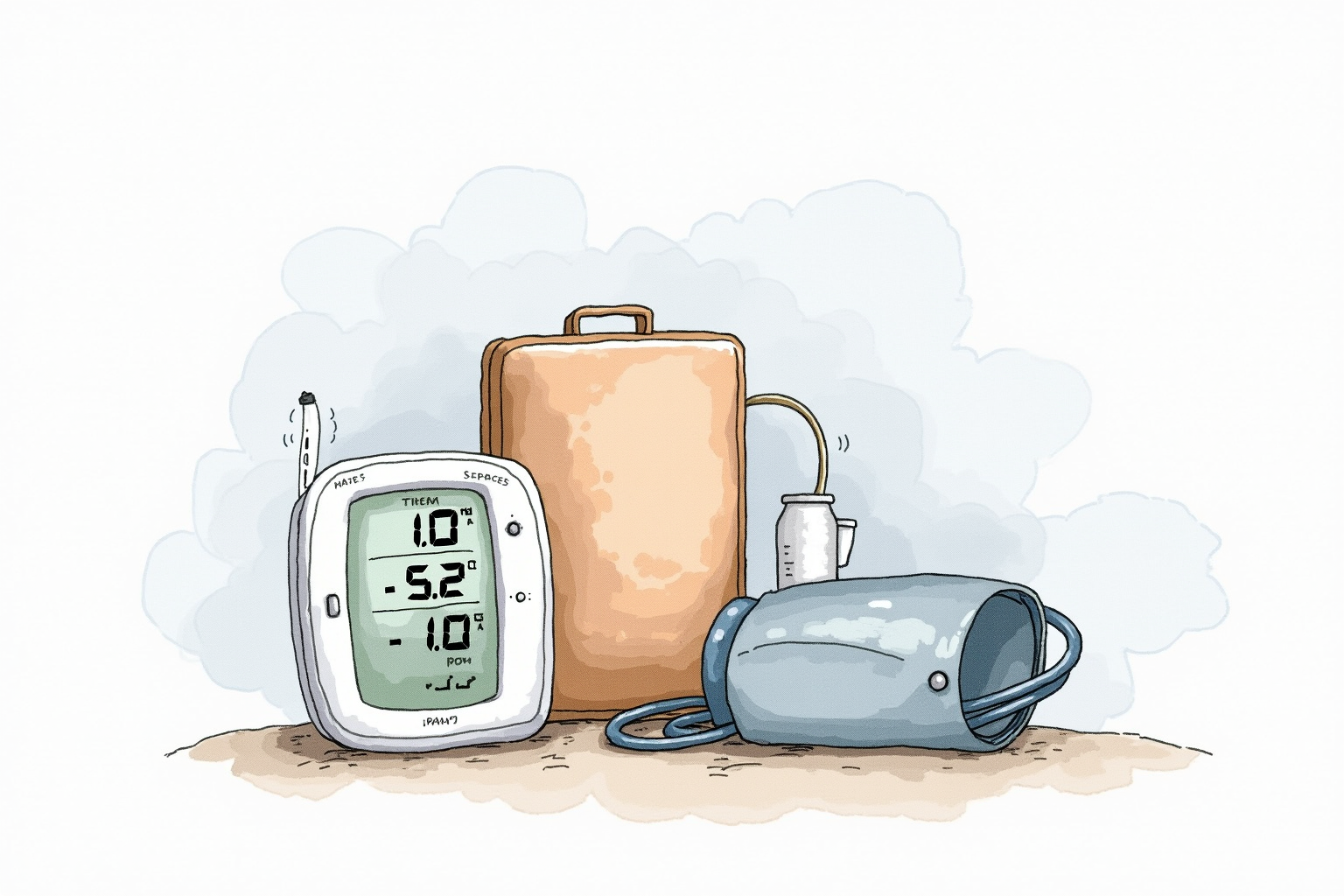
The core first aid supplies handle minor injuries and monitoring needs. Adhesive bandages in multiple sizes for cuts and blisters. Sterile gauze pads and tape for larger wounds. Antiseptic wipes for cleaning before bandaging. Tweezers for splinters and tick removal. Small scissors (sometimes restricted in carry-on — check airline rules). Digital thermometer for fever monitoring.
For travelers with specific health conditions, add condition-specific monitoring. Hypertension travelers benefit from a portable BP monitor. Diabetics need glucose meter, strips, lancets, and insulin (in cooling case for temperature stability). Asthmatics need rescue inhaler plus spacer. The TSA Medical Conditions page documents allowed devices and accommodations.
Allergy and Emergency Supplies
EpiPen Auto-Injector Twin Pack
Price · $650-850 with insurance varies
+ Pros
- · Life-saving epinephrine for anaphylactic reactions
- · Easy auto-injection design works through clothing
- · Twin pack provides backup dose for biphasic reactions
- · Required for severe allergy travelers — international availability inconsistent
− Cons
- · Expensive cash price without insurance coverage
- · 12-18 month expiration requires periodic replacement
Price, availability, and ratings can change; verify details on the retailer page before buying.
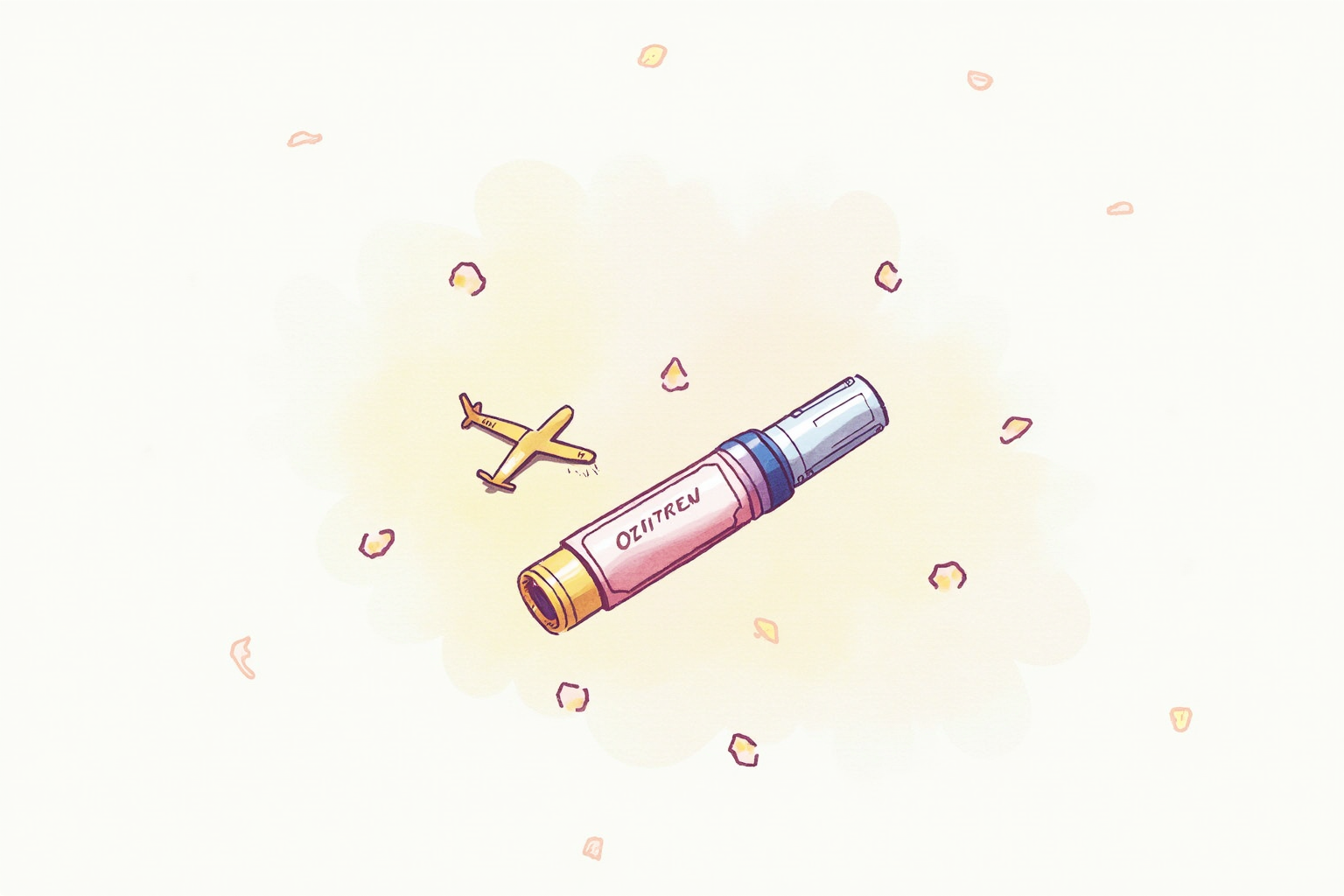
For travelers with severe allergies (food, insect, drug), the EpiPen is non-negotiable. The 650-850 dollar replacement cost is justified by the alternative — anaphylactic reaction without epinephrine treatment has 1-2 percent mortality and serious morbidity. Carry two doses since reactions can rebound 4-8 hours after initial treatment.
Other emergency supplies depend on destination and activities. For adventure travel: blister care (moleskin and second-skin), elastic bandage for sprains, instant cold pack, oral rehydration salts in larger quantities, water purification tablets or filter. For tropical destinations: anti-fungal cream for fungal infections in humid climates, hydrocortisone for bites, antibiotic ointment for cuts that don’t heal quickly in humidity.
What To Leave At Home
Some commonly-packed items provide little benefit and add weight. Multi-tools with knives often confiscated at customs in some countries. Excessive quantities of OTC drugs — most destinations have pharmacies stocking equivalents at lower cost. Liquid medications above 100 ml that violate carry-on liquid rules. Expired medications that may have lost potency or efficacy.
The pharmacy access at major international destinations covers most unexpected needs. Bangkok, Mexico City, Cairo, Mumbai all have well-stocked pharmacies for common medications. Brand names differ — the same active ingredient may have unfamiliar brand names — so pack pictures of bottles or note generic names for reference. Pharmacy staff in tourist areas usually speak some English and recognize common drug categories.
Documentation To Carry
Several documents support the medical kit. Copy of all prescriptions (original at home, copies in luggage). Doctor’s letter for controlled substances. Health insurance card and emergency contact for insurance provider. Allergy alert bracelet for severe allergies. Vaccination record (international yellow card for yellow fever required countries). Emergency contact list including primary care physician, specialists, and family.
Digital backup is essential. Photograph all medication bottles, prescription labels, and insurance cards. Email copies to yourself and a family member. Many medical situations require reproducing this documentation, and originals can be lost.
Bottom Line
A well-organized 30-50 dollar travel medical kit plus your prescription medications handles 80 percent of likely travel health issues. Keep medications in original labeled bottles, carry-on rather than checked. Bring more than the trip duration. Add destination-specific items based on regional risks (DEET for mosquito areas, anti-fungal for humid climates, motion sickness for adventure travel). Documentation in multiple copies including digital. International pharmacy access fills most gaps, so don’t overpack.
For complete travel health planning see our pre-trip vaccination checklist, jet lag protocols, digital nomad health insurance, and health category.