Jet Lag Recovery 2026: Melatonin and Light Therapy Protocols That Work
Evidence-based jet lag protocols. Melatonin timing, light exposure schedules, pre-trip adjustment, and what works for 6-12 hour zone shifts.
Jet lag is the result of mismatch between your internal circadian clock and the destination’s local time. Crossing time zones forces your sleep, hunger, alertness, and hormone cycles to recalibrate — without intervention, this takes roughly 1 day per zone crossed. Strategic melatonin timing, light exposure scheduling, pre-trip adjustment, and behavioral protocols can reduce recovery to 2-4 days even for 12-hour shifts. We compiled the protocols from sleep medicine clinical practice and circadian research to give travelers a practical playbook for trips of all lengths.
How Jet Lag Actually Works
Your circadian system is governed by the suprachiasmatic nucleus (SCN), a cluster of neurons in the hypothalamus that runs a 24-hour oscillation calibrated daily by light exposure. Hormone rhythms (cortisol, melatonin), body temperature cycles, hunger signals, and sleep-wake alertness all sync to this master clock. When you fly across time zones, the SCN cycle continues running on home time while the destination operates on local time — every body system is misaligned with the external environment.
The recovery process is light-driven. Photoreceptors in the retina detect light intensity and send signals to the SCN that shift its phase. Light exposure in the morning advances the clock (good for eastward travel), light exposure in the evening delays the clock (good for westward travel). Natural drift without light intervention proceeds at ~1 hour per day; targeted light therapy can accelerate to 1-2 hours per day. Melatonin acts as an exogenous signal that supplements the natural cycle, helping initiate sleep at destination bedtime.
Pre-Flight Sleep Schedule Shift
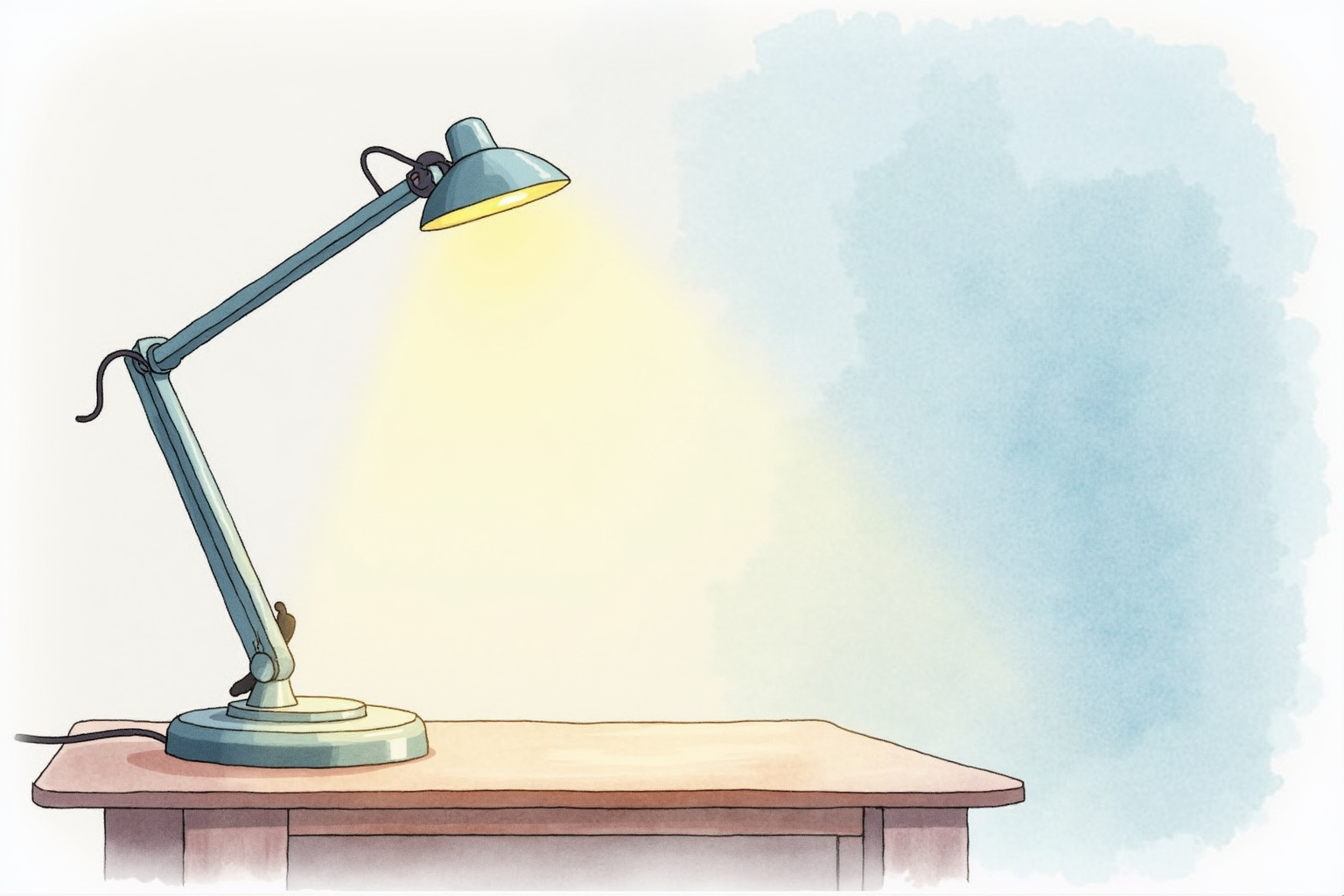
Light Therapy Lamp 10,000 Lux
Price · $60-150 portable models
+ Pros
- · 10,000 lux UV-free white light for circadian reset
- · Compact design fits in carry-on luggage
- · Adjustable timer for protocol scheduling
- · Bright enough to shift phase in 30 minute sessions
− Cons
- · Effectiveness depends on consistent timing and adherence
- · Some users experience eye strain or headaches initially
Paid affiliate link. Price, availability, and ratings can change; verify details on the retailer page before buying.
For moderate time zone shifts of 3-6 hours, pre-trip schedule adjustment can substantially reduce jet lag impact. Start 3-5 days before departure. Each day shift bedtime by 30-60 minutes in the direction of destination time. Combined with light exposure timing, this can compress 60-80 percent of the circadian shift before the flight even leaves.
For eastward travel (Europe, Asia from North America), shift bedtime earlier and use morning bright light to advance the clock. For westward travel (return trips, North America from Asia), shift bedtime later and use evening light to delay the clock. For very large shifts of 10+ hours, partial pre-trip adjustment plus arrival protocol is more practical than trying to fully reset before leaving — full pre-flight adjustment would require shifting bedtime by 5+ hours, which most people cannot tolerate.
Melatonin Protocol
Melatonin 0.5mg-3mg Sublingual
Price · $8-15 for 60-day supply
+ Pros
- · Cochrane meta-analysis confirms efficacy for jet lag
- · 0.5-3mg dose range proven effective in clinical trials
- · Sublingual or fast-release forms work in 20-30 minutes
- · No prescription required in US (OTC supplement)
− Cons
- · High-dose products (5-10mg) common in US offer no additional benefit
- · Some users report next-day grogginess at higher doses
Paid affiliate link. Price, availability, and ratings can change; verify details on the retailer page before buying.
The melatonin protocol that consistently outperforms in clinical trials: 0.5 to 3 milligrams taken at target bedtime in the destination time zone. Begin first dose on the night of arrival or the night before, depending on flight schedule. Continue for 3-5 nights until you sleep through the night at local bedtime without intervention.
Critical: take it at destination local bedtime, not based on home time. The mistake most travelers make is taking melatonin during the flight to fall asleep on the plane — this often delays adjustment by anchoring sleep timing to the flight schedule rather than destination time. Sleep on the plane is fine without melatonin assistance via simple sleep masks and earplugs.
The dose matters less than timing. Many US products contain 5-10 mg per tablet because the supplement market favors higher doses, but the Cochrane review and multiple clinical studies find no efficacy benefit above 3 mg, and side effects (next-day grogginess, vivid dreams) increase with dose. Look for 0.5 mg or 1 mg sublingual products, or split larger tablets if those are what’s available.
Light Exposure Schedule
The light exposure schedule is destination-specific. For eastward travel arriving morning (typical pattern for transatlantic and transpacific flights):
Morning at destination (target wake time +0 to +2 hours): Maximum light exposure. Sunshine if available, 10,000 lux light box if cloudy or pre-dawn arrival. This is the strongest circadian signal you can give your clock.
Mid-day: Continue normal daylight exposure. Outdoor lunch helps.
Afternoon (target wake time +6 to +8 hours): Avoid additional bright light. Indoor lighting is fine, just don’t deliberately seek bright outdoor sun.
Evening (1-2 hours before target bedtime): Dim lighting, blue-light blocking, no screens if possible. Take melatonin at target bedtime.
For westward travel, reverse the schedule — bright light exposure in late afternoon, avoiding morning bright light, with later melatonin timing. The general principle: light advances the clock when applied near morning of the new schedule, delays when applied near evening.
In-Flight Behaviors That Help and Hurt
Premium Sleep Mask and Noise Canceling Earplugs
Price · $25-80 set
+ Pros
- · Block visual light interference during in-flight sleep attempts
- · Noise canceling reduces engine drone fatigue
- · Compact form factor packs easily
- · Reusable for years across many trips
− Cons
- · Comfort varies by individual face shape and sleep position
- · Quality varies dramatically — cheap sets often fail after few trips
Paid affiliate link. Price, availability, and ratings can change; verify details on the retailer page before buying.
The in-flight behaviors that genuinely help recovery: stay hydrated (the dry cabin air dehydrates faster than you realize, and dehydration worsens fatigue), eat lightly (heavy meals on planes disrupt sleep and digestion), avoid alcohol (it impairs sleep quality and adds dehydration), sleep on schedule for destination if the flight crosses your destination’s bedtime hours, stay awake if the flight is during destination’s daytime.
Common patterns that hurt recovery: drinking alcohol to sleep on the plane (disrupts deep sleep stages, you arrive tired and dehydrated), eating airline meals at home-time hunger cues (anchors body to home schedule), using sleeping pills like Ambien on the plane (deep grogginess for hours, worsens jet lag rebound), checking phone email throughout flight (blue light exposure delays melatonin onset).
Hydration and Movement
The cabin environment dehydrates faster than ground level — humidity in pressurized cabins runs 10-15 percent vs typical indoor 30-50 percent. Drink 250 ml water per hour of flight. Avoid caffeine and alcohol during the second half of flights toward destinations where you’ll need to sleep on arrival.
Movement reduces deep vein thrombosis risk on flights over 4 hours. Walk the aisle every 60-90 minutes. In-seat ankle circles and calf flexion exercises 10 times per hour while seated. Compression socks for travelers over 60 or with mobility limitations reduce DVT risk substantially with minimal cost (15-30 dollars).
Recovery Day-By-Day
The pattern most users see following the protocol: Arrival day fatigue is high but manageable with planned light exposure and forced waking. Day 2 is typically the worst — partial adjustment leaves you tired during destination day but unable to sleep at night. Day 3-4 substantial improvement. Day 5-7 essentially normal sleep at destination time. Without protocol intervention, this timeline doubles roughly.
The key behaviors that compress recovery: forcing yourself to stay awake until destination bedtime on arrival day (even if your home-time body is exhausted), starting melatonin at destination bedtime immediately, getting outdoor light exposure as soon as practical after destination wake time, avoiding naps longer than 30 minutes during destination daytime.
Bottom Line
Strategic jet lag management saves 50-70 percent of recovery time vs natural adjustment. Pre-trip schedule shift 3-5 days before departure for moderate zone changes. Melatonin 0.5-3 mg at destination bedtime for 3-5 nights. Light exposure timed to destination wake (morning for eastward travel, late afternoon for westward). Hydration and limited alcohol on the flight. Force waking on arrival day even when exhausted. For frequent travelers crossing 8+ time zones, these protocols are essential — winging it costs a week of productivity per trip.
For complete travel health planning see our pre-trip vaccination checklist, travel medical kit guide, digital nomad health insurance, and health category.