Hotel Room Power Outage Medication and Device Checklist for 2026
Prepare for hotel power outages while traveling with refrigerated medication, CPAP or medical devices, phones, documents, elevators, and front-desk escalation steps.
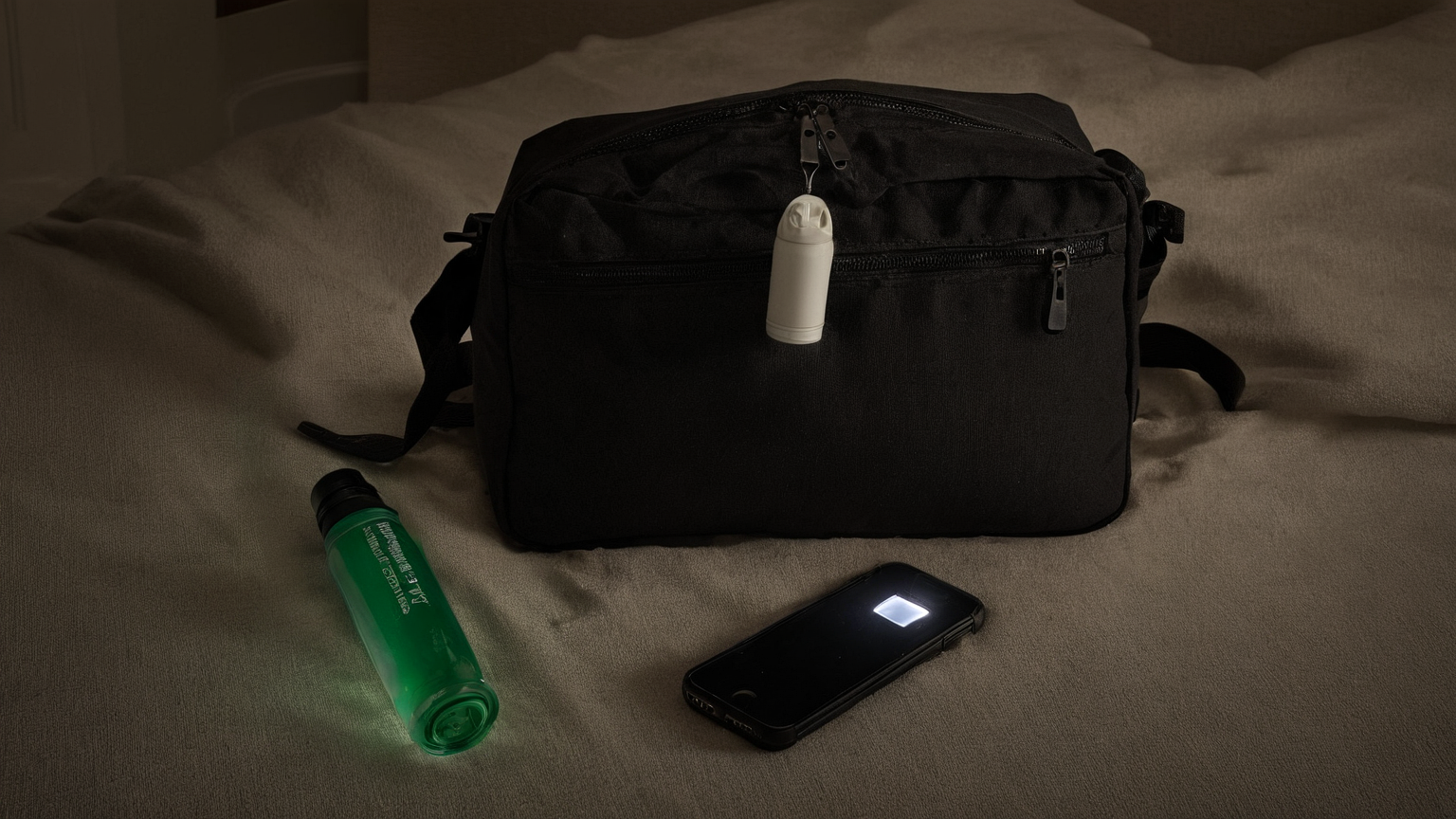
A hotel power outage is usually inconvenient, but it can become serious when refrigerated medication, CPAP equipment, mobility charging, phone access, elevators, room keys, or medical documents are involved. The safest plan is made before check-in, while the front desk can still answer questions and devices are charged. This guide was checked on 2026-06-24 against CDC Yellow Book, TSA, FDA, State Department, Ready.gov, Red Cross, and FAA resources. It is travel education, not medical advice.
Practical decision table
| Situation | Safer action | Avoid |
|---|---|---|
| Before booking | Ask about refrigerator, backup power, elevator access, and nearby pharmacy options | Assuming every room fridge stays powered |
| At check-in | Confirm outlet locations and emergency contact path | Waiting until devices are already low |
| Medication needs cooling | Use labeled travel cooler procedure from clinician/pharmacist guidance | Opening the fridge repeatedly during an outage |
| Medical device depends on power | Carry battery plan, adapter, and written device details | Packing the charger in checked luggage only |
| Outage begins | Call front desk, preserve phone battery, document times | Using candles or unsafe improvised charging |
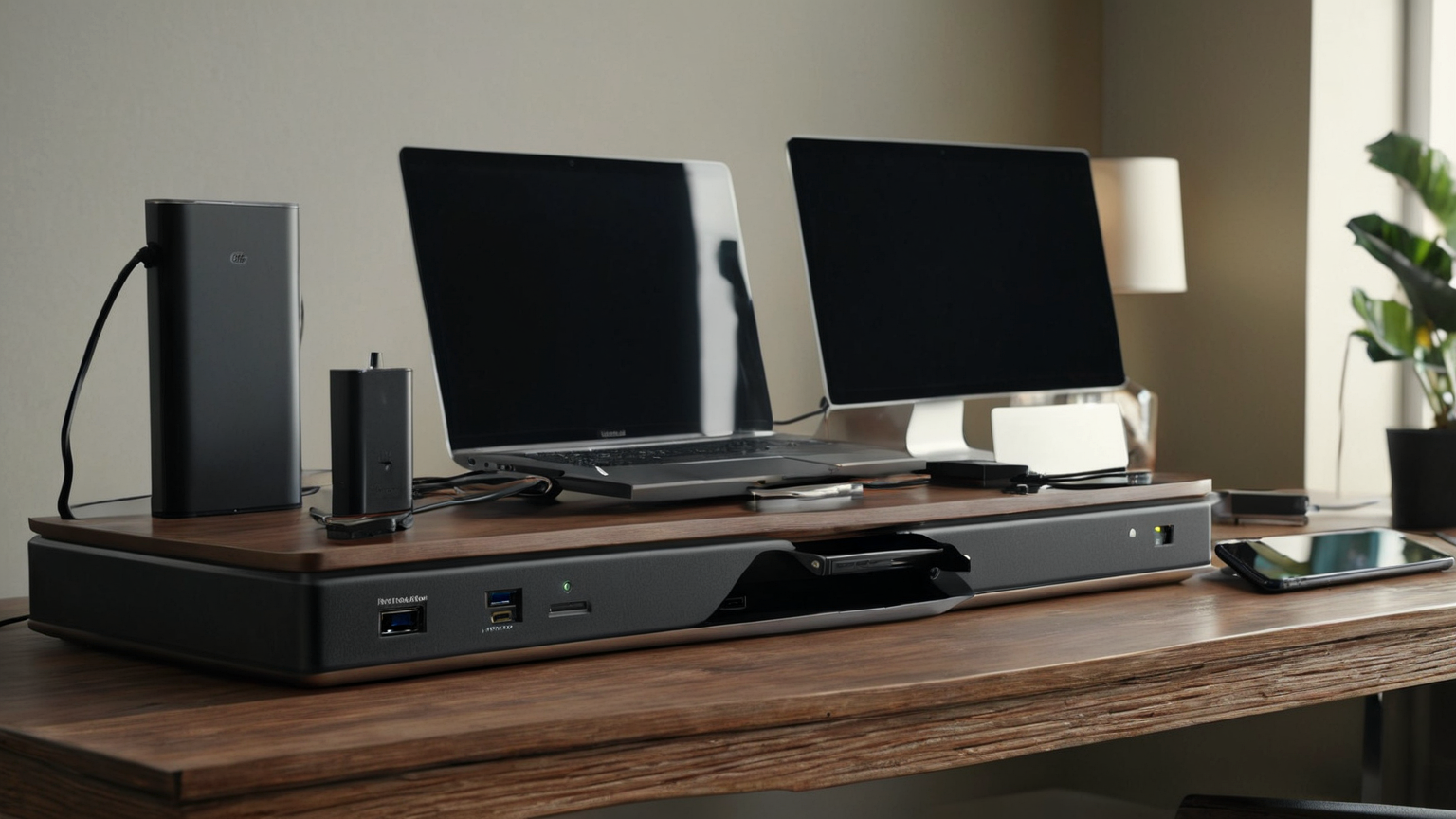
Make a room-level power plan at check-in
Ask where emergency information is posted, whether the room phone works during outages, how stairwell access is handled, and what the hotel can do for guests who depend on powered medical equipment. If you need a refrigerator, confirm whether it is a true refrigerator or a minibar-style cooler and ask what happens during maintenance or outages. Keep answers as notes, not assumptions.
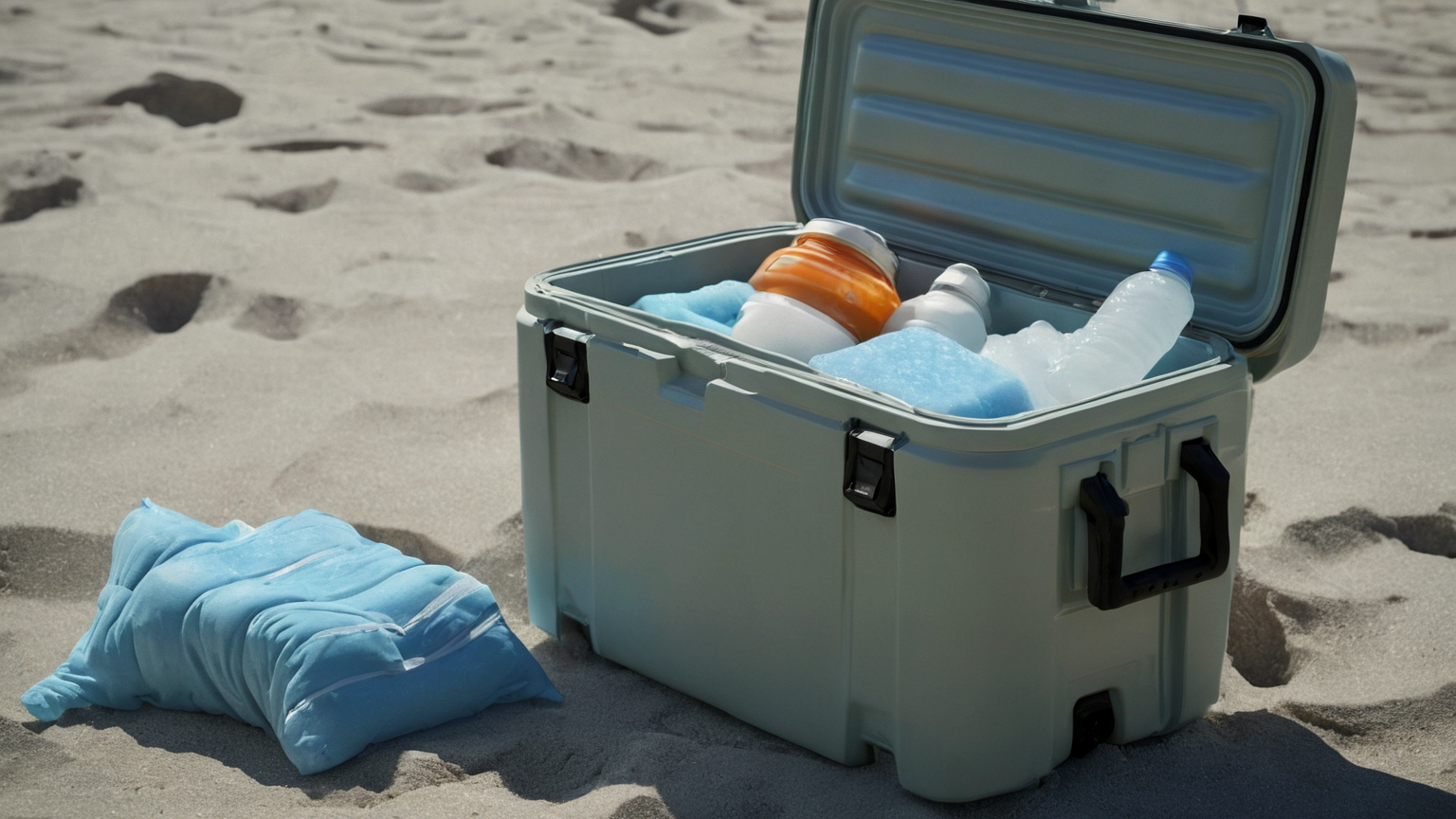
Protect medication without inventing storage rules
Temperature-sensitive medication should follow the product label and clinician or pharmacist instructions. Pack a travel cooler, temperature indicator if advised, original packaging when practical, and a written list of medication names and prescribers. During an outage, minimize door openings and call the front desk or local pharmacy early rather than waiting until the storage window is unclear.
Mini checklist
- Save the official-source link or provider record before changing settings.
- Keep screenshots or statements only if they do not expose full account numbers, passwords, children’s data, or medical details.
- Add a calendar review date so this does not become a one-time cleanup.
- Record who can act if the primary traveler, account owner, or device owner is unavailable.

Keep devices usable without relying on the wall
Charge phones, battery packs, hearing aids, mobility devices, and medical equipment before sleeping. Keep charging cables in carry-on luggage and avoid daisy-chained or damaged adapters. Know which batteries can fly and which must be carried in the cabin under airline and FAA rules. If a device is essential overnight, discuss travel battery options with the manufacturer or clinician before the trip.
Plan movement and communication
Power outages can affect elevators, hallway lighting, key cards, Wi-Fi, and payment terminals. Keep a small flashlight, shoes, water, room number, front-desk number, insurance or assistance contacts, and a charged phone nearby. If stairs are difficult, tell the hotel early and ask how staff handles evacuation or room relocation.
Escalate with facts, not panic
Record the outage start time, medication storage concern, device battery level, and who you spoke with. Ask for a room move, powered common area, ice, refrigerator access, or local medical/pharmacy support as appropriate. This supports helpful-content quality by giving travelers a practical decision system and clear limits instead of promising that a hotel or airline can solve every medical situation.
Source notes and readiness
This article keeps warnings and decision rules as accessible text rather than embedding them inside images. The generated visuals are supporting editorial images only; the enforceable guidance remains in the body, tables, and source list.
FAQ
Is this guide current for 2026?
Yes. It was checked against the listed sources on 2026-06-24, but official rules and provider policies can change.
What should I do first?
Start with the decision table, then verify the official source or provider record that applies to your situation.
When should I get expert help?
Get qualified help when mistakes could affect money, identity, health, travel access, legal duties, or account security.