Cruise Port Day Bag Medication and Document Checklist for 2026
A cruise port-day checklist for medication, ID, emergency contacts, excursion timing, backup payment, and reboarding without overpacking.

A cruise port day can go wrong for small operational reasons: needed medicine left in the cabin, a passport copy unavailable, a phone battery dead, a tour returning close to all-aboard time, or a payment card that does not work ashore. This guide was checked on 2026-06-22 against U.S. State Department, CDC Travelers Health, TSA, CBP, and travel-document resources. Cruise line, destination, and health rules can change, so verify official trip documents before sailing.
Practical decision table
| Port-day item | Pack or verify | Why it matters |
|---|---|---|
| ID and ship card | Carry required original or approved copy | Reboarding and local rules differ |
| Medication | Keep day dose and delay buffer with you | Cabin access may be unavailable |
| Timing | Know all-aboard time in ship time | Local time can confuse groups |
| Payment | Bring backup card/cash where appropriate | Connectivity and card acceptance vary |
| Emergency contact | Store ship agent and insurer info offline | Phone data may fail ashore |

Pack medicine for the day you actually might have
Do not assume a four-hour excursion will remain four hours. Weather, traffic, tender delays, medical events, and tour changes can keep passengers away from the cabin longer than planned. Carry essential medication in original or clearly documented packaging as required by the itinerary, and ask a clinician or pharmacist about temperature, controlled-substance, and destination restrictions before travel.

Know which document must be on your body
Some ports require a passport, some accept other cruise-line instructions, and some travelers need visas or special documents. Follow the cruise line and official destination guidance, not a social-media packing list. Keep a secure backup copy separate from the original, but do not rely on a photo when an original is required.
Use ship time as the master clock
Port cities, phone networks, and excursions can confuse time zones. Before leaving the ship, confirm all-aboard time, meeting point, tender rules, and whether your phone automatically changed time. Build a return buffer that assumes traffic or shuttle delay rather than a perfect day.
Make the day bag useful but not attractive to thieves
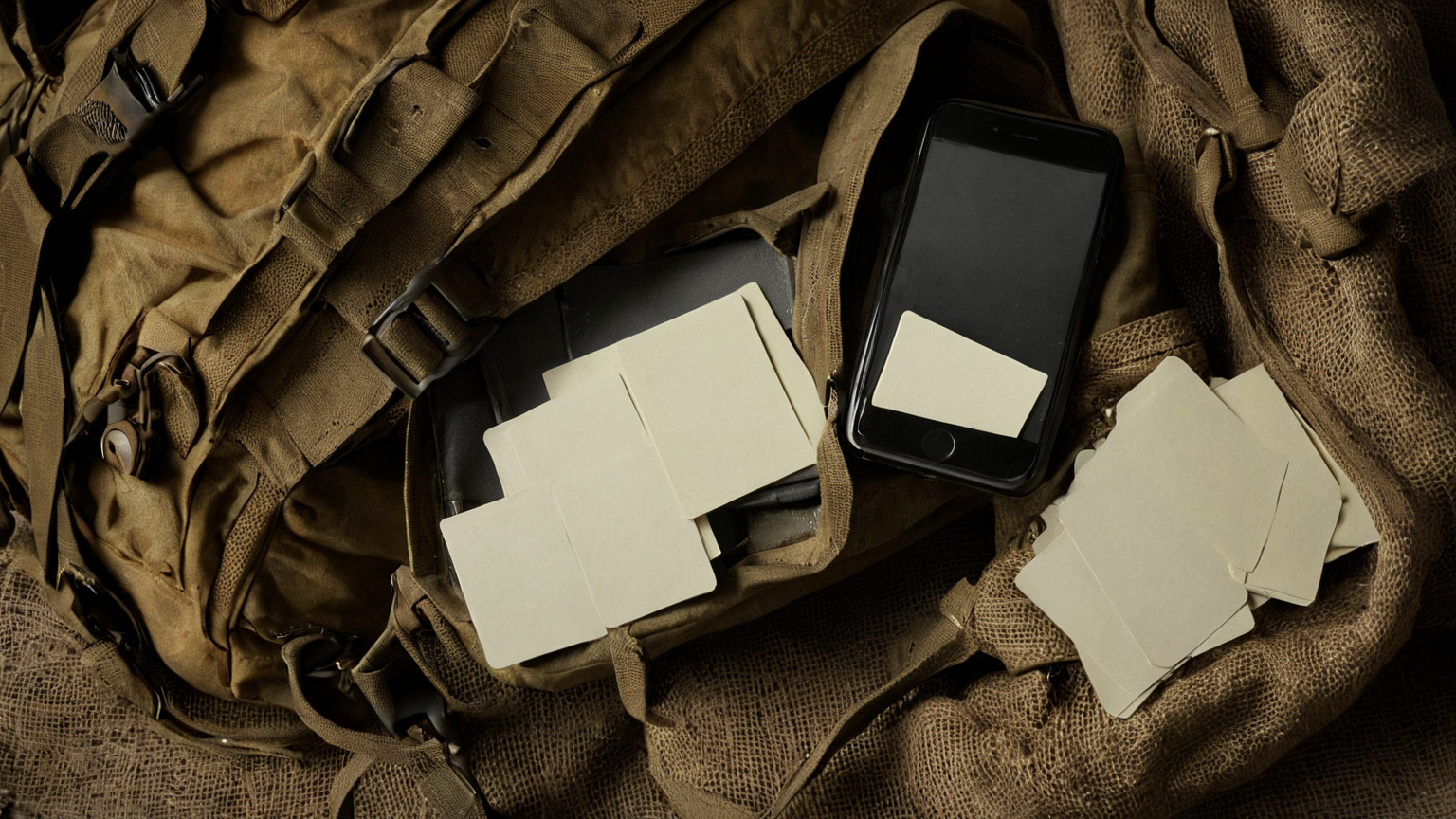
Carry water, sun protection, medication, ID, a small payment backup, emergency contacts, and any required child or mobility items. Avoid displaying expensive devices, large cash, passports in open pockets, or luggage tags with personal data. The best day bag is boring, organized, and hard to misplace.

Plan for communication failure
Download maps, excursion details, insurance contacts, cruise line emergency contact, and lodging/ship information before going ashore. If traveling with children, older adults, or a group, set a meeting rule if phones fail. A simple paper card can outperform a dead phone.
Implementation checklist
- Write down the owner, review date, official source, evidence location, and decision rule before changing money, security, travel, or account settings.
- Prefer official pages and account settings over social posts, old screenshots, forum summaries, or sales pages.
- Keep proof: confirmations, support case numbers, receipts, settings exports, dated notes, and time-stamped photos when appropriate.
- Reduce single points of failure such as one login, one device, one payment account, one traveler, one document copy, or one undocumented recovery path.
- Revisit the plan after policy changes, provider updates, device replacement, travel changes, incidents, returns, disputes, or account offboarding.
FAQ
Is this current for 2026?
Yes. The workflow was checked against the listed sources on 2026-06-22, but official rules, provider settings, and account-specific requirements can change.
What should I do first?
Build the decision table first. It shows timing, evidence, owners, and safe escalation before you make changes.
When should I get expert help?
Use a qualified financial, tax, legal, security, travel, medical, or official support professional when a mistake could affect money, identity, health, compliance, or access.