Flying With Insulin and a CGM: Cooling, Screening, Batteries, and Time-Zone Checklist
A conservative flight-planning guide for insulin, continuous glucose monitors, cooling, airport screening, backup supplies, and clinician-set time-zone schedules.

Flying with insulin, a continuous glucose monitor, a pump, or injection supplies is not one problem. It is a chain of separate decisions: medication access, temperature control, airport screening, battery carriage, dosing across a changed clock, and recovery when baggage or flights are disrupted. A statement that “diabetes supplies are allowed” does not answer whether a particular insulin remained within its labeled range, whether a device should enter a scanner, or how a long eastbound day changes a clinician-set schedule.
This checklist is written for U.S.-origin air travel in 2026. It is general education, not a dosing instruction. Product labels, device manufacturers, airlines, security agencies, destination laws, and the traveler’s own diabetes team control the final plan. Anyone using insulin should obtain individualized instructions before changing dose timing or amount.
Build one travel packet around six confirmations
Do not place all evidence in an app that may be unavailable abroad. Keep a privacy-conscious paper or offline copy of the essentials.
| Confirmation | Ask or verify with | Keep as evidence |
|---|---|---|
| Exact medication and storage range | pharmacy label, manufacturer, clinician | current label and product instructions |
| Screening procedure | TSA and device maker | TSA page and device-specific scanner guidance |
| Cabin carriage and batteries | operating airline and FAA | airline response and battery capacity label |
| Time-zone dose plan | prescribing clinician | written schedule for outbound and return travel |
| Destination supply access | insurer, manufacturer, local medical contact | emergency contacts and prescription copy |
| Disruption plan | airline, hotel, travel insurer | rebooking, refrigeration, and replacement contacts |
The ADA diabetes-supplies guidance recommends discussing travel with the health-care team in advance, bringing more medicine and supplies than normally needed, and keeping them accessible. “More” should be a planned buffer based on trip length and realistic delay—not a loose collection of expired or incompatible supplies.
Keep the primary kit in the cabin
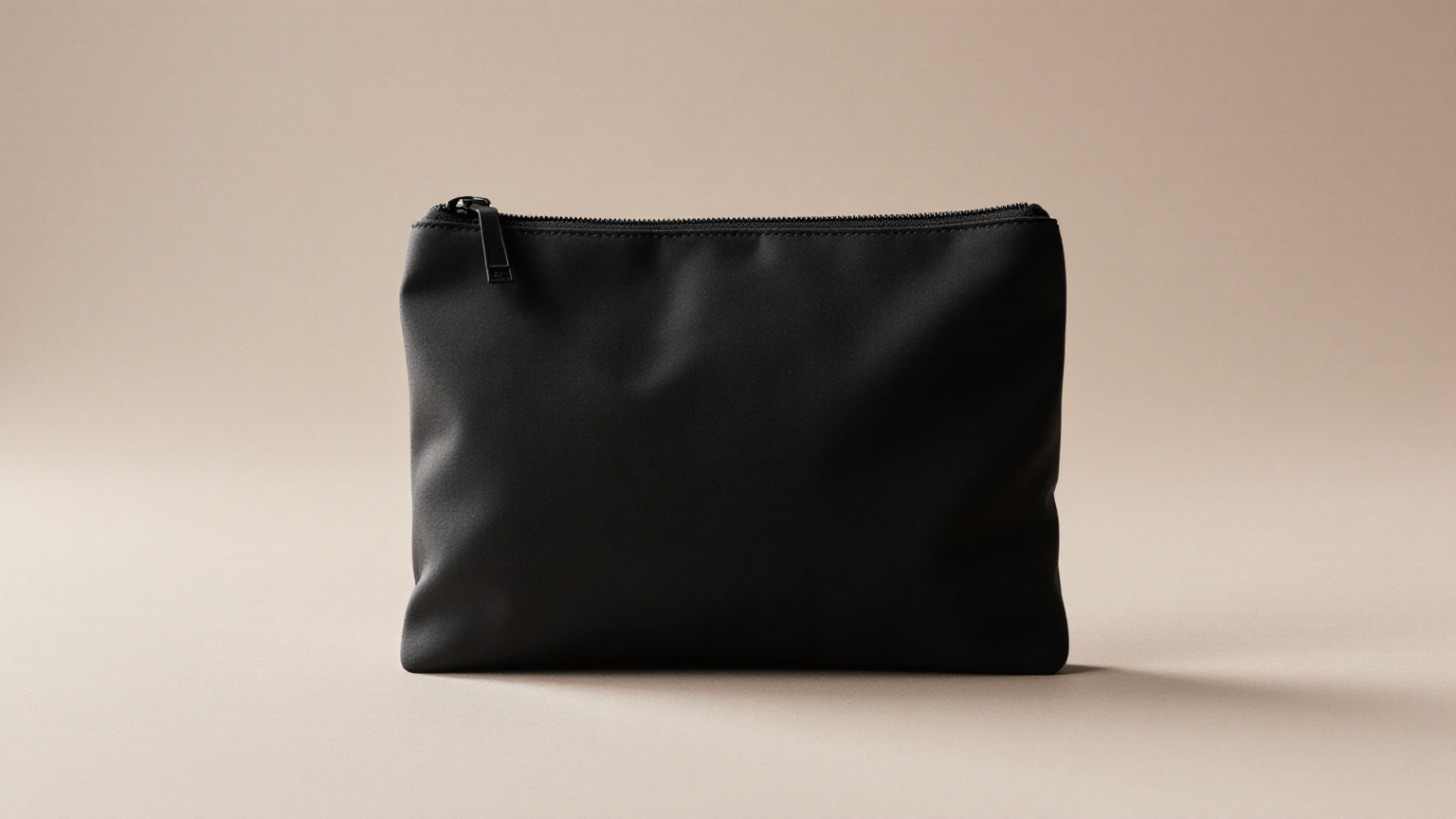
Checked baggage can be delayed, lost, frozen in a cargo environment, exposed to heat, or separated from the traveler during a diversion. Put insulin, glucagon if prescribed, monitoring supplies, pump consumables, chargers, spare batteries, fast-acting glucose, prescriptions, and the first-line backup method in cabin baggage.
Use three layers:
- Immediate-access pouch: current insulin, meter or receiver, treatment for low glucose, identification, and one change of essential consumables.
- Protected reserve pouch: duplicate medication and supplies separated from the first pouch so one spill or loss does not ruin both.
- Destination reserve: only when reliable and temperature-controlled; never let it replace an adequate cabin buffer.
The CDC chronic-illness travel page advises travelers to carry medicines in hand luggage, bring documentation, and plan for health care at the destination. Keep prescription details private: a concise medication list and clinician contact are useful, but a bag exterior should not display diagnoses, account numbers, or full identity information.
Calculate a delay buffer without changing treatment
A packing calculation is safer than guessing:
required units = planned daily use × (trip days + delay days) × contingency factor
Assume a traveler normally uses 34 total insulin units daily, will be away 8 days, wants a 3-day disruption buffer, and applies a 1.15 contingency factor for priming, small losses, or prescribed corrections. The planning quantity is 34 × 11 × 1.15 = 430.1 units, rounded upward only to available package sizes after the pharmacist or clinician confirms suitability.
This is an inventory example, not a dose recommendation. It does not mean the traveler should use 15% more insulin. It estimates what to carry. Cartridge, pen, vial, and pump-reservoir dead space differ, and destination import limits may constrain quantity. Never combine products or concentrations to make the arithmetic convenient.
Control temperature without freezing insulin
The FDA insulin storage guidance explains that insulin can lose effectiveness after exposure to extreme temperatures and should not be frozen. Exact unopened and in-use storage conditions vary by product, so the package insert and manufacturer—not a universal blog number—must govern.
A safe cooler workflow is:
- precondition the insulated pouch according to its instructions;
- keep insulin in original labeled packaging where practical;
- place a dry barrier between medication and a frozen gel pack;
- avoid direct contact with ice or the aircraft wall;
- keep the pouch out of direct sun and hot vehicles;
- use a temperature indicator if designed for medication transport;
- inspect for freezing, leakage, particles, discoloration, or damaged containers;
- call the pharmacist or manufacturer when exposure is uncertain.
Do not rely on how cold the pouch feels. A pack that is too cold can freeze the medication nearest it while the outside remains comfortable. Conversely, an unvalidated cooler can warm quickly during a long delay. Record when the medication entered the pouch and when packs were changed.
Hypothetical cooling-duration check. If a validated pouch is documented by its maker to maintain a specified range for 18 hours under test conditions, and the door-to-door itinerary is 14 hours, the apparent margin is only 4 hours. A three-hour departure delay plus a two-hour customs queue would erase it. The correct response is not to assume the label is conservative; it is to add a validated backup method or arrange reliable replacement cooling.
Airport screening: declare, separate, and follow device instructions
TSA’s medical-conditions page says travelers may provide a notification card or medical documentation, but the card does not exempt anyone from screening. TSA’s liquid medication guidance allows medically necessary liquids in reasonable quantities beyond the usual liquid limit and says they should be declared for inspection. Cooling packs and related supplies may also be screened.
Before reaching the checkpoint:
- place medication and medically necessary liquids where they can be removed without exposing the whole bag;
- tell the officer that the bag contains diabetes medication, sharps, a pump, CGM components, and cooling supplies;
- request clean handling or a visual or alternative process when appropriate;
- do not disconnect a pump or expose a sensor to equipment unless the device maker and clinician say the procedure is safe;
- allow extra time for additional screening;
- contact TSA Cares in advance when assistance would reduce risk.
CGM and pump manufacturers publish device-specific guidance about X-ray, advanced imaging, metal detectors, and hand inspection. Instructions differ by model and can change. Download the exact current manual before departure. Do not copy advice for another model because two devices share a brand or radio technology.
For one model-specific example, Dexcom says its G7 sensor may remain on the body through walk-through metal detectors and Advanced Imaging Technology body scanners and that G7 components may pass through luggage scanning; it also describes hand-wanding, pat-down, or visual inspection alternatives (Dexcom G7 airport guidance). That guidance applies to G7, not automatically to another Dexcom generation, a different CGM, or an insulin pump.
The ADA air-travel resource describes U.S. air-travel considerations for diabetes supplies and screening. It is useful context, but officers retain final checkpoint authority and foreign airports follow their own rules.
Batteries and radios are separate aviation questions
A pump, CGM receiver, phone, and backup power bank may each contain lithium batteries. The FAA’s passenger battery guidance requires spare lithium batteries and power banks in carry-on baggage, protected against short circuit and damage. The portable-device entry provides capacity and carriage details.
For every rechargeable item, record the model, battery type and watt-hours, whether the battery is installed or spare, cable compatibility, airline approval if capacity requires it, and a nonpowered backup method when medically appropriate. Do not use a damaged, swollen, recalled, wet, or overheating battery. Do not charge a power bank inside an enclosed medication cooler. Cabin outlets are not guaranteed, and a USB port may be disabled or underpowered.

Cross time zones with a written clinical schedule
A generic “move the injection by two hours” rule is unsafe because basal insulins, mixed insulins, mealtime insulin, pump basal profiles, automated delivery systems, meals, sleep, illness, and direction of travel interact differently. Eastbound travel shortens a day; westbound travel lengthens it. Crossing the International Date Line can make the calendar label especially misleading.
Ask the prescribing clinician to write a schedule with the home-time dose or pump setting before departure, the time reference used during flight, meal and correction rules already authorized, the destination-time transition point, monitoring frequency and thresholds, what to do after a delayed or missed dose, the return-trip schedule, and emergency contacts.
| Event | Home time | Destination local time | Medication or device action |
|---|---|---|---|
| Leave home | |||
| Scheduled dose or site change | clinician-written action | ||
| First meal in flight | usual prescribed meal plan | ||
| Arrival | monitoring and transition step | ||
| First sleep period | clinician-written basal plan |
Keep the phone’s home-time clock visible until the transition point if the clinician uses that reference. Disable automatic clock changes on a dedicated backup timer only when doing so is part of the written plan. Avoid duplicate alarms after a device changes time zones.
Hypothetical clock conversion, not a dosing recommendation. Suppose the clinician has already specified a 24-hour interval for this example. A last scheduled event at 8:00 p.m. in Los Angeles on August 29, 2026 (PDT, UTC−7) reaches 24 elapsed hours at 8:00 p.m. Los Angeles time on August 30, which is noon in Tokyo on August 31 (JST, UTC+9). The conversion identifies one instant on two clocks; it does not decide the insulin type, dose, interval, meal coverage, pump setting, or response to a delay. Those instructions must come from the treating clinician.
Sharps, sensors, and privacy
The FDA’s safe-sharps guidance advises immediate placement of used sharps in an appropriate container and safe disposal. Carry a small travel sharps container accepted for the itinerary; never leave loose lancets, needles, or insertion devices in a seat pocket, hotel bin, or clear security tray.
Pack adhesive remover, skin preparation, and spare sensors only if compatible with the traveler’s care plan and liquid rules. Long flights, sweating, swimming, and repeated clothing changes can loosen adhesive. A backup blood-glucose meter and compatible strips may be essential when a CGM fails, gives implausible readings, or cannot be replaced immediately.
Protect health data at shared chargers and hotel desks. Use a trusted power adapter rather than an unknown data cable. Avoid showing full CGM histories, prescriptions, or account details to people who only need to know that the equipment is medically necessary.
Hotel and disruption drill
At the hotel, inspect refrigerator temperature before trusting it. Minibar refrigerators can freeze items near cooling elements or shut off when the room key is removed. Ask whether a medical refrigerator is monitored and whether staff can provide documented access during a power outage. Keep medication in a labeled secondary container, never loose in a food refrigerator.
If a flight is canceled or supplies are lost, preserve remaining medication, monitor according to the clinician’s plan, contact the prescribing team or pharmacy, use official medical care rather than an unknown marketplace, and keep receipts and incident records. Seek urgent help for severe hypoglycemia, persistent marked hyperglycemia, vomiting, dehydration, ketone concerns, confusion, breathing difficulty, or inability to administer prescribed insulin.
Our travel medical kit guide helps organize broader health supplies. The flight delay and cancellation guide covers disruption records and traveler-rights questions. Travelers carrying several powered medical devices can use the battery method in the CPAP air-travel guide.

72-hour final checklist
Three days before: confirm the clinician’s outbound and return schedule, inspect medication and expiry dates, test meter and chargers, download device-screening instructions, and verify airline battery rules.
One day before: precondition approved cooling supplies, charge devices and power banks, split primary and reserve kits, pack low-glucose treatment, and save offline contacts.
At security: declare medication, liquids, cooling packs, sharps, pump, and CGM; request the device-appropriate process; watch the medication through inspection without interfering.
At the gate: keep the kit with the traveler, avoid voluntary gate checking, confirm any in-flight device procedure, and do not assume seat power.
After arrival: check medication condition, verify the written clock transition, test monitoring equipment, inspect hotel refrigeration, and preserve reserve for the return trip.
FAQ
Can insulin and cooling packs go through U.S. airport screening?
Yes under TSA medical screening procedures, subject to declaration and inspection. Separate them and allow extra time. Foreign checkpoints may use different rules.
Should insulin be frozen to keep it cold?
No. Freezing can damage insulin. Prevent direct contact with frozen packs and follow the exact product label and manufacturer instructions.
How should doses change across time zones?
Only according to an individualized written plan from the prescribing clinician. A blog cannot safely calculate a dose change from time-zone difference alone.
A resilient diabetes travel plan preserves six things: the correct medication, the labeled temperature range, an appropriate screening path, lawful battery carriage, a clinician-set clock transition, and a redundant recovery method. When those are documented before departure, a delayed flight becomes a managed disruption rather than an improvised medical decision.