Flying With a CPAP Machine: Carry-On, Battery, Water, and Hotel Checklist for 2026
A practical 2026 guide to carrying a CPAP through airport screening, checking airline battery rules, sizing backup power, and testing a hotel setup without risking treatment continuity.
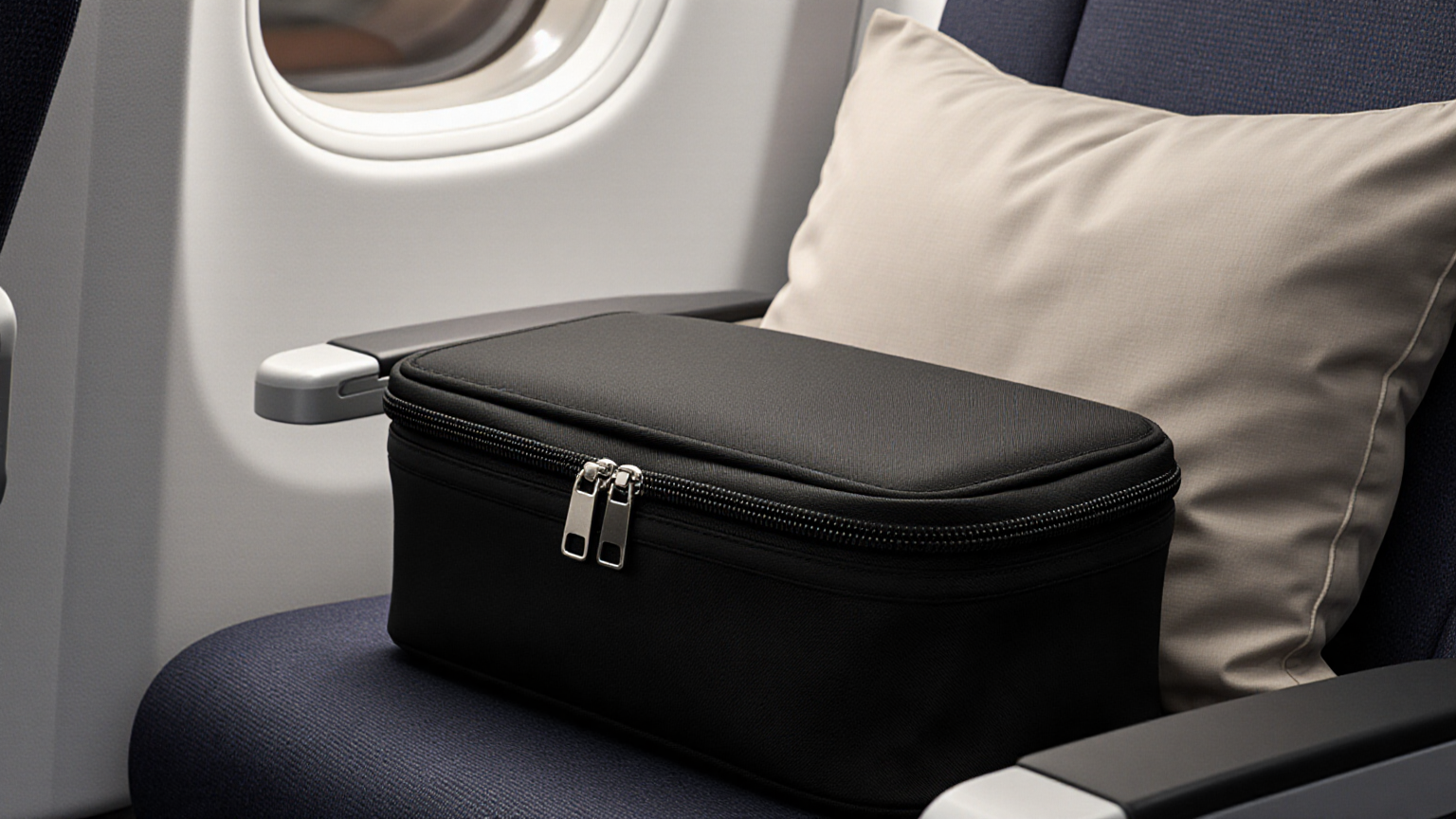
A CPAP is not ordinary travel electronics. It is treatment equipment, a battery-planning problem, a security-screening object, and sometimes an accessibility accommodation. The safest trip plan separates those four questions instead of relying on “medical devices are allowed.” Allowed through screening does not guarantee approved in-flight use; approved cabin carriage does not guarantee a seat outlet; and a compatible plug does not guarantee clean, stable power.
This checklist is written for U.S.-origin travel in 2026, with conservative practices that also help on international itineraries. Rules can differ by airline, aircraft, connection country, battery capacity, and device model. Confirm every leg.
The four confirmations to obtain before departure
| Question | Ask whom | Evidence to keep |
|---|---|---|
| Can I carry the device and does it count toward limits? | operating airline | policy page or written chat reference |
| Can I use it in flight? | airline accessibility/medical desk | approval and seat-power conditions |
| Are the batteries allowed? | airline plus FAA rules | watt-hour label and airline approval if required |
| Is my therapy setup suitable? | clinician/device manufacturer | prescription or device letter if advised |
Under the U.S. Department of Transportation’s Airline Passengers with Disabilities Bill of Rights, travelers with disabilities have protections concerning assistance and assistive devices. That is not permission to mix clothes, snacks, or unrelated electronics into a “medical device” bag and expect unlimited baggage treatment. Keep the CPAP bag dedicated: device, hose, mask, power supply, batteries, and genuinely necessary accessories.
Contact the operating carrier, not just the ticket seller. Codeshare itineraries can involve different aircraft and policies. Ask about cabin use, notification lead time, approved battery types, seating restrictions, humidifier use, and whether an onboard outlet may be used.
Carry the machine; do not build the trip around checked baggage
A CPAP should normally travel in the cabin. Checked baggage can be delayed, exposed to impact, or stored at temperatures outside the device’s recommended range. Keep the machine in a protective case, and bring a clear bag large enough to isolate it if screening staff ask for removal.
TSA procedures can change and officers make final screening decisions. TSA Cares offers information for passengers with medical conditions or disabilities; contact it in advance when you need additional screening support. Do not attach a fake “medical equipment” certificate downloaded from a retailer. A prescription copy or concise clinician letter may be useful for international travel, but it does not override aviation-safety rules.
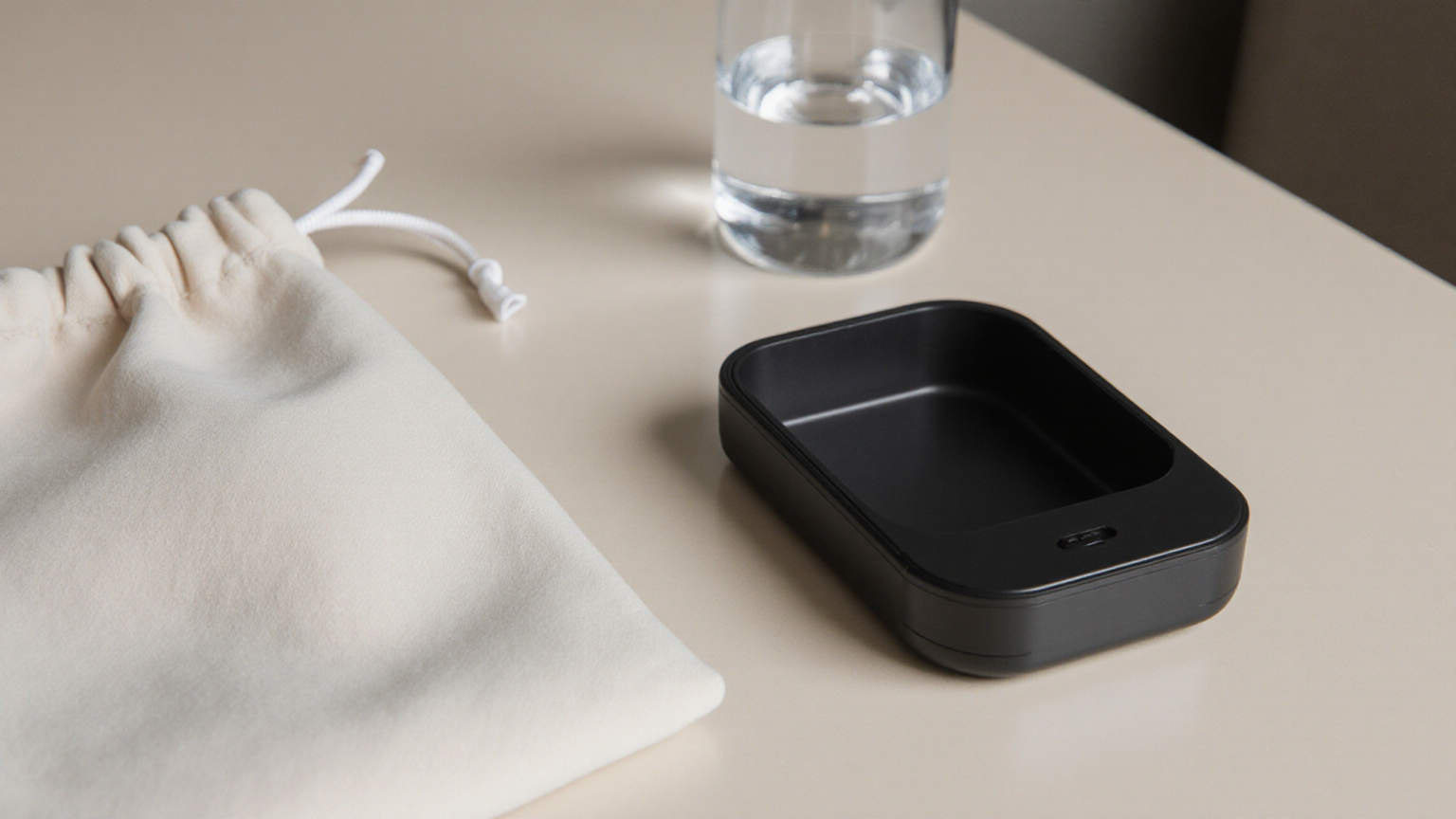
Dedicated carry-on packing list
- CPAP or APAP device and protective case
- mask, cushion, headgear, and hose
- manufacturer power supply
- destination plug adapter; voltage converter only if the manufacturer requires one
- battery and approved cable, with terminals protected
- spare filter and one high-failure small part
- prescription or device letter if advised
- airline approval reference
- device model and serial number stored privately, not displayed on the bag
- a small amount of cleaning supplies that comply with liquid rules
Do not pack flammable cleaning chemicals, ozone devices, or improvised power adapters. Never use an adapter that is loose, damaged, or warm under load.
Battery rules: use watt-hours, not marketing language
The FAA’s portable-electronic-device guidance says lithium-battery devices should be carried in the cabin and that spare lithium batteries are prohibited in checked baggage. Spares must be protected from damage and short circuit. Damaged or recalled batteries that can spark or generate dangerous heat must not be carried.
Battery size is measured in watt-hours (Wh). If a battery label gives only volts and amp-hours:
watt-hours = volts × amp-hours
If it gives milliamp-hours:
watt-hours = volts × milliamp-hours ÷ 1,000
Example. A battery marked 24 V and 4 Ah is 96 Wh. A battery marked 14.8 V and 6,600 mAh is 97.68 Wh. Those calculations do not prove airline acceptance; they only convert the label into the unit airlines use. Confirm the actual label and current limits in the FAA spare-battery entry. Larger capacities may require airline approval and may be limited in number.
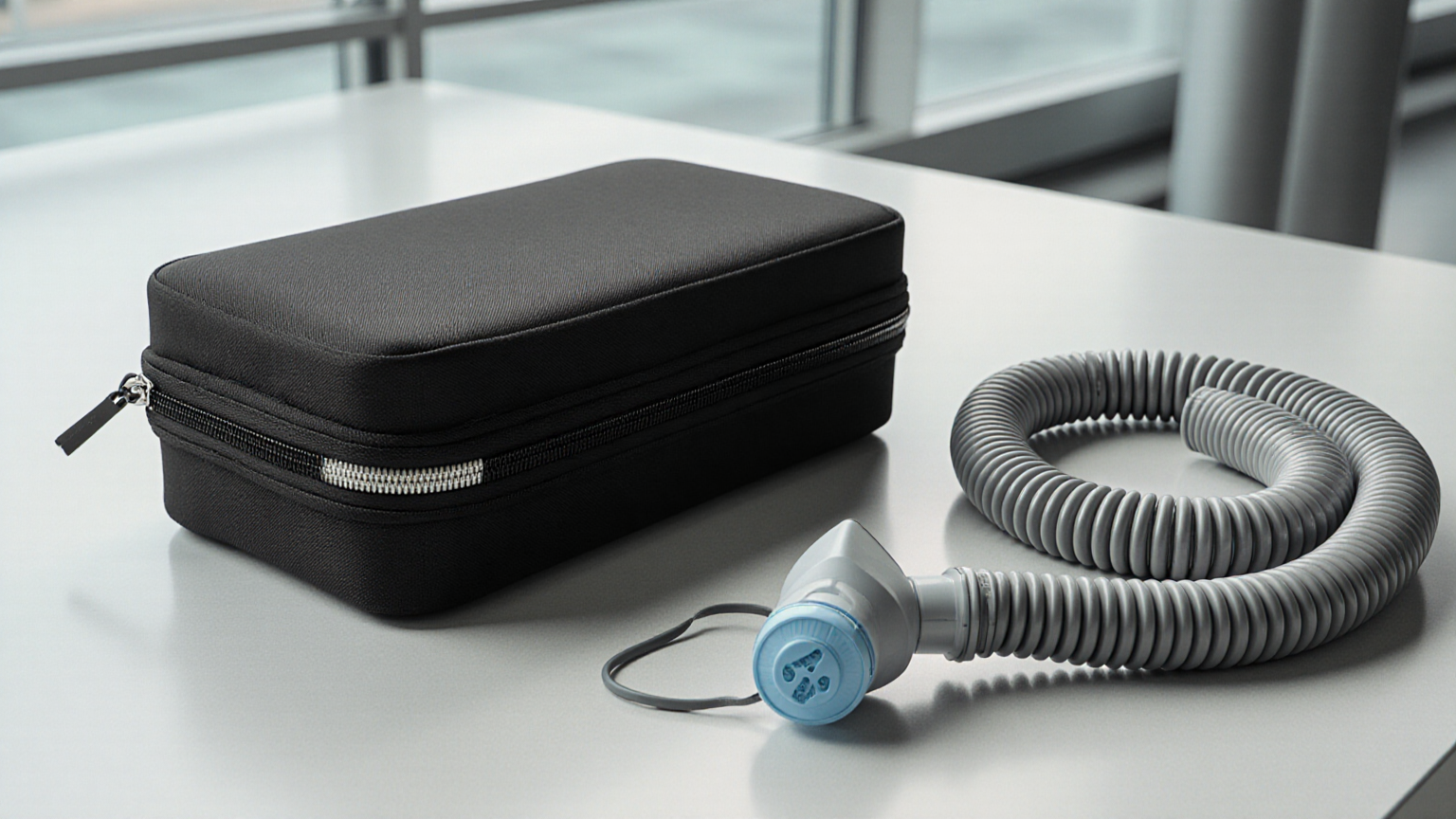
Estimate runtime conservatively
A simple planning estimate is:
usable runtime = rated battery Wh × usable fraction ÷ average device watts
Suppose a 96 Wh battery has an assumed 80% usable fraction after conversion losses and reserve, and the travel setup averages 12 W without humidification. Estimated runtime is 96 × 0.80 ÷ 12 = 6.4 hours. If heated humidification raises average draw to 30 W, the same estimate falls to 2.56 hours.
Those are hypothetical numbers, not device specifications. Pressure, mask leak, temperature, altitude compensation, heated tube, humidifier, battery age, and inverter losses all change consumption. Test your exact machine and battery at home over a full night, then keep reserve. Do not discover at 2 a.m. that a battery’s advertised runtime assumed no humidifier.
The FAA’s airline passengers and batteries page provides current passenger guidance. Photograph the battery’s capacity label and carry the manual or manufacturer specification, but cover personal device identifiers in photos shared publicly.
In-flight use is a separate approval
Cabin carriage does not automatically authorize operation. Airlines may require advance notice or documentation for a portable electronic medical device, may prohibit humidification, and may restrict seating because of cords or emergency egress. The FAA’s portable electronic device information explains the aviation framework; the operating airline determines its procedure within applicable rules.
Ask:
- Is this exact model approved for use?
- Must the device display an FAA compliance statement?
- How much battery runtime must I carry relative to scheduled flight time?
- Can I use aircraft power, and is it guaranteed?
- Are extension cords or adapters prohibited?
- Which seats avoid blocking an aisle or exit?
- Must the humidifier be empty?
Treat seat power as a convenience, never the sole plan. Outlets can be disabled, incompatible, limited in wattage, or unavailable after an aircraft swap. Keep cables routed entirely within your seat area and follow crew instructions immediately.
Water and humidification
A humidifier tank creates leakage and screening complications. Empty and dry it before transport. For the cabin, many travelers disable humidification to reduce power use and spill risk, but whether that is medically tolerable is a clinician/device question.
Do not assume distilled water can pass the checkpoint in any quantity simply because it is for a CPAP. Screening rules for medically necessary liquids and the final officer decision apply. A lower-friction plan is to buy sealed distilled water after arrival, ask the hotel in advance, or use manufacturer-approved alternatives temporarily if your clinician and device instructions allow them.
Never fill the humidifier with tap water without understanding manufacturer guidance and local water safety. Do not use fragranced, mineral, or sparkling water.
International and hotel power checklist
Read the power brick label. Many modern adapters accept 100–240 V and 50/60 Hz, but the label on your unit—not a blog—controls. A plug adapter changes shape; it does not change voltage. If the device is not dual-voltage, use only a manufacturer-approved solution.
At the hotel:
- inspect the outlet for looseness, scorching, or damage;
- keep the device above floor level and away from sinks;
- avoid daisy-chained extension cords;
- position the hose so it cannot pull the machine down;
- run the device for 20–30 minutes before bedtime;
- verify the battery takes a charge;
- keep the empty travel case nearby for evacuation;
- do not place the intake against curtains or bedding.
For destinations with frequent outages, ask the hotel about generator coverage in the room—not merely in the lobby. If continuous treatment is medically critical, discuss backup options and destination suitability with your clinician.
Connection and disruption planning
A long delay can turn a one-night battery plan into two nights without reliable power. Build a route buffer:
| Risk | Prevention | Fallback |
|---|---|---|
| Checked bag delayed | keep therapy equipment in cabin | none should be required |
| Gate-check request | identify dedicated assistive-device bag calmly | remove all batteries and essential parts |
| Aircraft swap | battery-independent plan | request rebooking or assistance |
| Hotel outage | tested battery with reserve | move to powered location if safe |
| Broken mask part | carry likely failure spare | contact local provider/manufacturer |
Store airline, insurer, device provider, and clinician contacts offline. Our travel medication documentation checklist covers a similar evidence pattern, while the airport screening comparison guide helps separate U.S. procedures from international variation.
Insurance and emergency limits
Routine CPAP inconvenience is not automatically a covered travel-insurance event. Review coverage for medical equipment, baggage delay, trip interruption, and pre-existing conditions. Keep purchase receipts and a device prescription where appropriate, but do not expose medical details beyond what a claim requires. Our medical evacuation insurance checklist explains why evacuation coverage is different from replacing a device.
Seek medical help if breathing symptoms, chest pain, confusion, severe daytime sleepiness, or other concerning symptoms occur. Do not improvise pressure settings, share a mask, or use an unapproved battery because a flight is delayed.
72-hour departure drill
Three days before: confirm airline policy and device approval, inspect battery labels, test the complete setup, and download policies.
One day before: charge batteries, dry the humidifier, pack the dedicated case, photograph labels, and place prescriptions or letters in a privacy sleeve.
At security: declare the device calmly if asked, request a fresh surface or clear bag if removed, and follow officer instructions.
At the gate: resist unnecessary gate checking; if unavoidable, remove spares and essential therapy parts and ask for careful handling.
At the hotel: inspect power, conduct a short test run, and preserve battery reserve for an outage.
FAQ
Does a CPAP count against a U.S. airline carry-on limit?
Assistive devices generally receive special treatment under U.S. disability rules, but airline procedures matter and unrelated items can complicate the classification. Confirm in writing.
Can spare CPAP batteries go in checked baggage?
No under FAA guidance for spare lithium batteries: keep them in carry-on, protect terminals, and follow capacity and airline-approval requirements.
Should I use a CPAP during a flight?
Only with the operating airline’s confirmation and a clinically appropriate plan. Do not assume seat power or humidifier use is allowed.
The resilient plan is simple: dedicated cabin bag, approved battery, tested runtime, written airline confirmation, dry transport, safe hotel power, and reserve for disruption. That is more useful than a generic “medical devices fly free” claim.