Carry-On Liquids and Smart Luggage Rules for 2026 Travelers
A practical, expert guide to TSA liquids, medications, lithium batteries, smart bags, duty-free purchases, and carry-on packing without airport surprises.
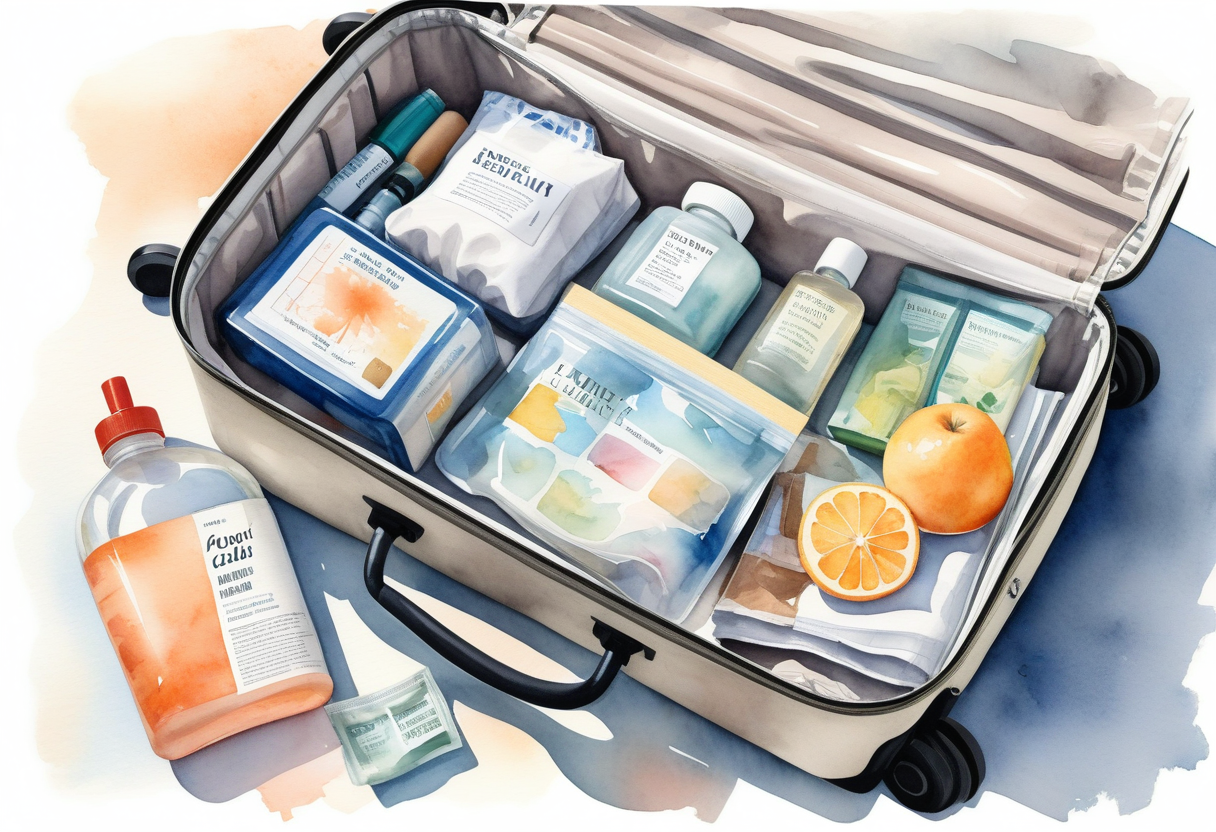
The difference between a smooth airport morning and a stressful repacking session at the security bin often comes down to details: a full-size sunscreen bottle, a smart suitcase battery that cannot be removed, a power bank in checked luggage, or a medication bottle buried under two layers of clothes. Carry-on rules are not difficult, but they are specific. They also sit at the intersection of three rulebooks: TSA screening rules, FAA hazardous-material rules, and airline baggage policies.
This guide translates those rulebooks into a practical packing system for 2026 travelers. It is written for people who want to move quickly through security, avoid confiscated items, and still pack the things that actually make travel easier: medication, skincare, baby supplies, electronics, batteries, adapters, and the increasingly common smart luggage features that can create problems if you do not prepare.
The Core Rule: TSA Screening Is About Containers, Not Just Substances
The familiar TSA liquids rule is still the starting point. Liquids, gels, aerosols, creams, and pastes in a carry-on bag must be in containers of 3.4 ounces or 100 milliliters or smaller, and those containers must fit into one quart-size clear bag. The key word is containers. A half-empty 6-ounce bottle is still a 6-ounce container, so it does not qualify for the standard carry-on liquids bag.
That distinction catches travelers who think the amount remaining matters more than the package size. It does not. If you want to carry shampoo, conditioner, face wash, sunscreen, toothpaste, liquid deodorant, hair gel, or a similar product through standard screening, decant it into a compliant travel-size container or buy a compliant version.
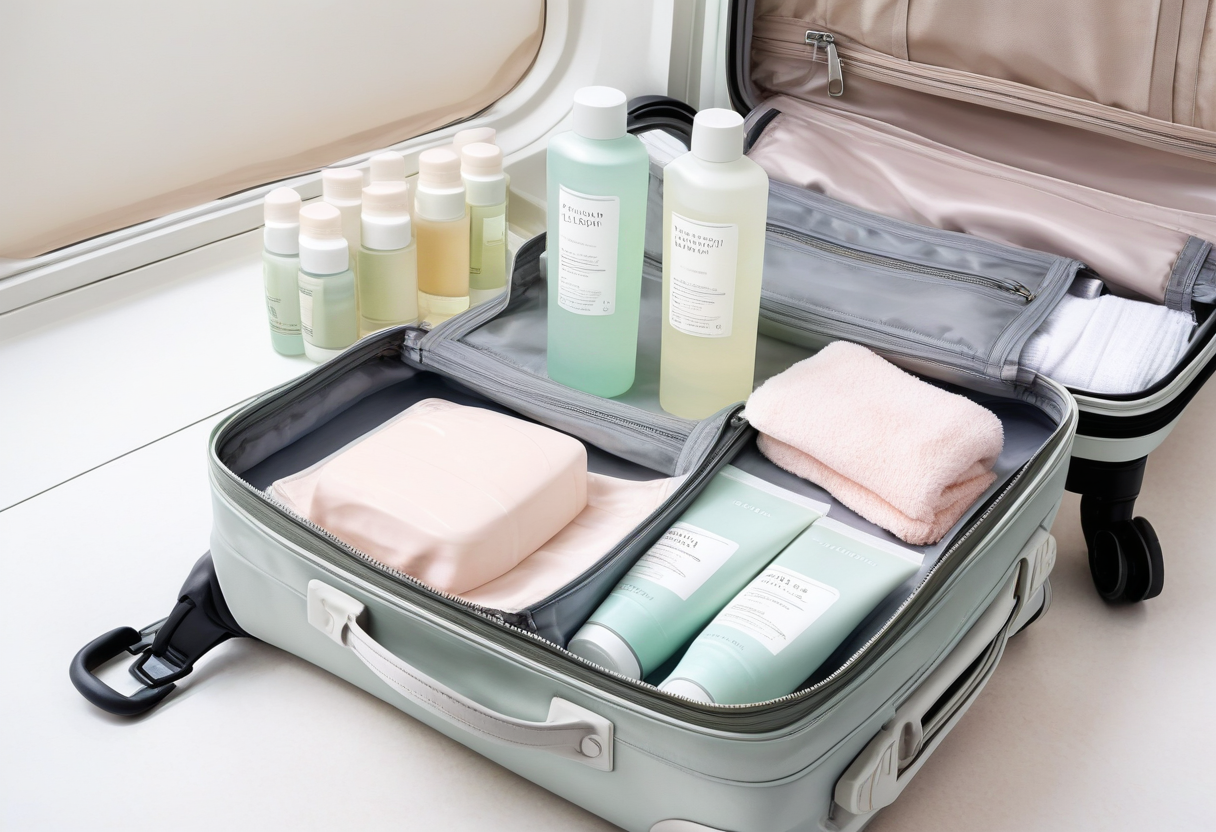
There are two practical implications. First, make the liquids bag easy to remove even when you are running late. Second, do not use the liquids bag as an overflow pouch for random toiletries. Security officers are trained to identify dense, overstuffed liquids bags, and they can ask you to remove items for inspection.
A reliable packing method is to build your liquids kit around three categories: essential hygiene, destination-specific protection, and comfort items. Essential hygiene usually means toothpaste, deodorant, face wash, and a compact moisturizer. Destination-specific protection might include sunscreen, insect repellent, anti-chafe balm, or contact-lens solution. Comfort items include hand cream, lip balm, eye drops, and a small fragrance. If all three categories do not fit into the quart bag, move the least important products to checked luggage or buy them after arrival.
Exceptions: Medication, Baby Supplies, and Medical Devices
The biggest misunderstanding about carry-on liquids is that the 3-1-1 rule applies to every liquid without exception. It does not. TSA allows medically necessary liquids, medications, and certain infant and child nourishment items in reasonable quantities above the standard limit. That includes prescription liquid medication, over-the-counter liquid medication, gel ice packs used for medical items, baby formula, breast milk, toddler drinks, and purees.
The operational word is reasonable. A traveler carrying a week of medically necessary liquid nutrition is different from a traveler carrying three full-size bottles of ordinary shampoo. If an item is medically necessary, keep it accessible and tell the TSA officer before screening begins. Do not wait until the bag is already inside the scanner and an officer has to resolve the image manually.
For medication, the most defensible system is simple: keep medicine in original packaging when possible, carry prescription documentation for controlled substances or international trips, and separate temperature-sensitive items from ordinary toiletries. If you use injectable medication, carry needles or syringes with the medication they support and check airline and destination rules before departure. TSA can screen these items, but customs rules at the destination may be stricter than U.S. departure screening.
Lithium Batteries: The Rule That Matters Most for Modern Travelers
If liquids are the most familiar carry-on issue, lithium batteries are the most important safety issue. The FAA PackSafe guidance is clear: spare lithium batteries and power banks belong in carry-on baggage, not checked baggage. The reason is not bureaucracy; it is fire risk. If a lithium battery overheats in the cabin, crew can respond. If it overheats in the cargo hold, response is far harder.
For travelers, the everyday items affected include power banks, spare camera batteries, drone batteries, e-bike batteries, laptop batteries, portable Wi-Fi routers, and some smart suitcase batteries. Most consumer power banks are under 100 watt-hours, which generally keeps them within the normal allowance. Larger batteries may require airline approval, and very large batteries are prohibited on passenger aircraft.
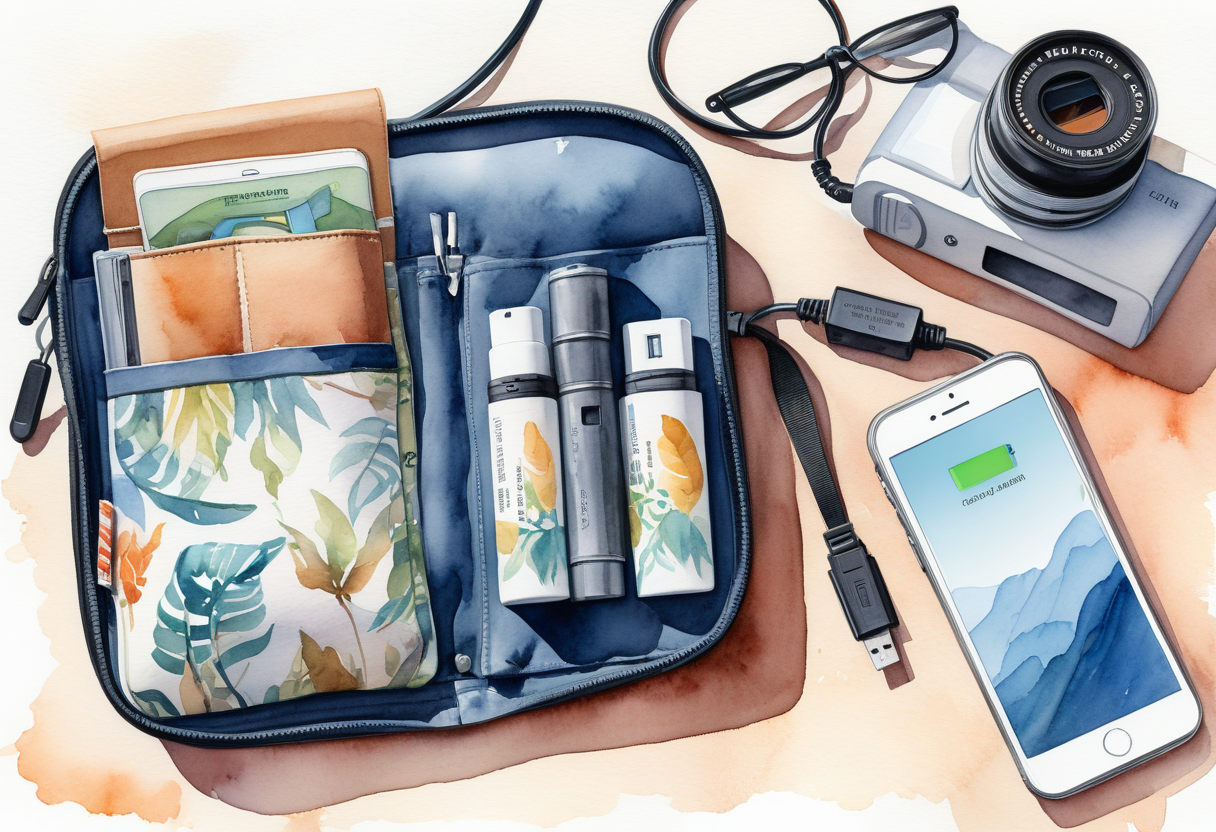
The easiest way to calculate watt-hours is to look for a Wh label on the battery. If the label only shows milliamp-hours and voltage, multiply amp-hours by volts. For example, a 20,000 mAh power bank is 20 amp-hours. At 3.7 volts, it is about 74 watt-hours, which is typically within the common consumer limit. If you cannot identify the capacity, do not assume the airline will accept it.
Protect battery terminals from short circuits. Use original cases, plastic battery caps, separate pouches, or tape over exposed terminals. Do not throw loose camera batteries into a pocket with keys and coins. That small habit can prevent a serious incident.
Smart Luggage: Convenient Until the Battery Becomes the Problem
Smart luggage can include built-in USB ports, GPS trackers, weight sensors, electronic locks, and ride-on motors. Most of these features are powered by lithium batteries, which means the bag must comply with battery rules. The critical question is whether the battery is removable.
A smart suitcase with a removable battery is usually manageable. If you carry the bag into the cabin, the battery can remain installed if the airline allows it. If the bag is checked, most airline policies require the battery to be removed and carried in the cabin. A smart suitcase with a non-removable lithium battery can be refused, especially if it needs to be checked at the gate.
Before buying or packing smart luggage, ask three questions. Can the battery be removed without tools? Is the battery capacity clearly labeled? Can the bag function as ordinary luggage if the battery is removed? If the answer to any question is no, the bag is a risk for air travel.
Trackers such as small Bluetooth tags are a separate issue. They use small lithium coin cells and are generally accepted, but airline policies can vary. The sensible approach is to use mainstream trackers with compliant batteries and avoid unknown devices with unclear battery specifications.
Duty-Free Liquids and International Connections
Duty-free liquids create another common trap. You may be allowed to buy a large bottle of perfume, liquor, or skincare at the airport after security, but that does not automatically mean you can carry it through a second security checkpoint during an international connection. TSA and many international airports allow certain duty-free liquids in secure, tamper-evident bags with proof of purchase, but rules vary and screening officers still make the final decision.
If you have a tight connection or must reclear security, do not buy duty-free liquids unless you are comfortable losing them or checking them before the next flight. The safer strategy is to buy liquids at the final airport, ship them, or place them in checked luggage before the connecting security process if the itinerary allows baggage reclaim.
A Practical Carry-On Layout That Works
A well-packed carry-on is not just compliant; it is inspectable. Pack the items most likely to trigger questions in positions that are easy to access. Your top layer should include the liquids bag, electronics pouch, medication kit, and travel documents. Clothing should go below. Dense objects such as chargers and camera gear should be grouped rather than scattered.
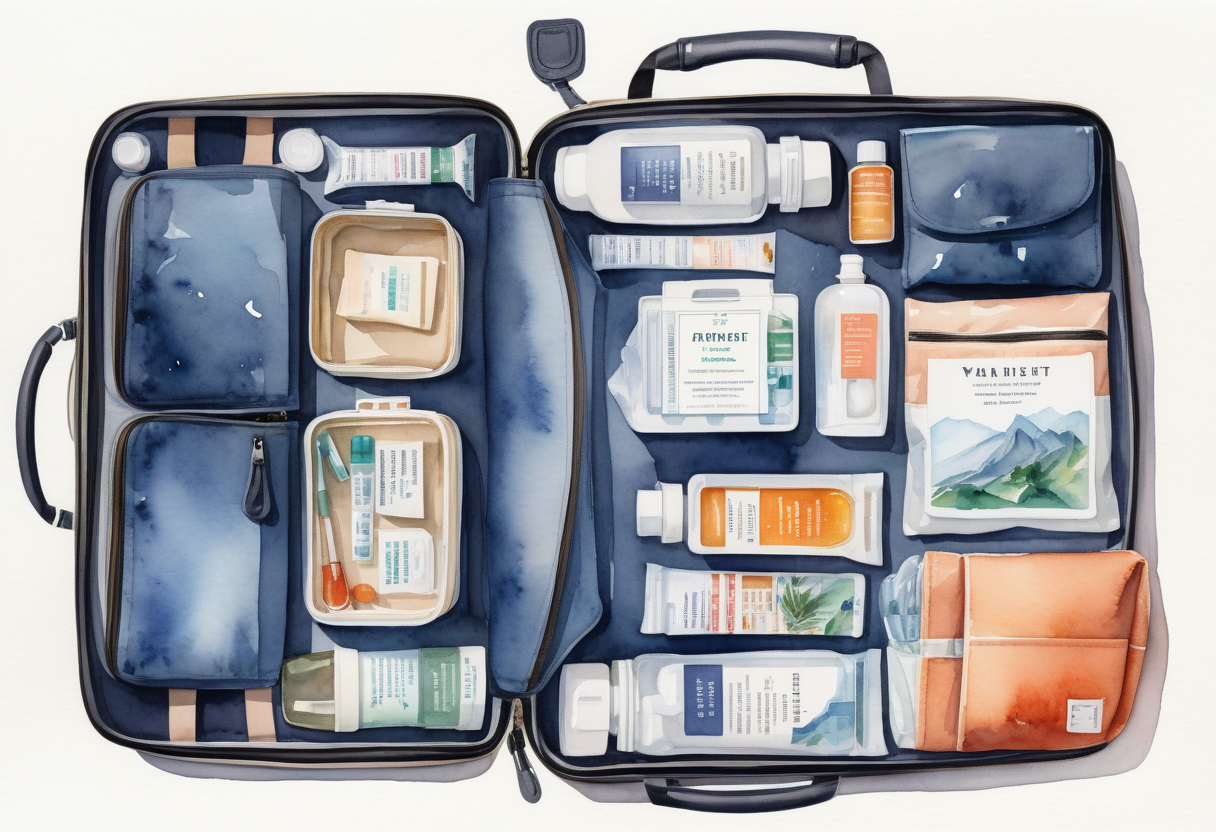
Use a three-pouch system:
- A clear liquids pouch for standard 3-1-1 toiletries.
- A medical and exceptions pouch for medication, baby supplies, and medically necessary liquids.
- An electronics and battery pouch for chargers, power banks, adapters, camera batteries, and portable Wi-Fi devices.
This system makes it easy to answer screening questions quickly. If an officer asks about liquids, you can present the liquids pouch. If the image shows dense electronics, you can identify the electronics pouch. If a medication needs separate testing, it is not buried inside a packing cube.
The Airline Layer: Size, Weight, and Gate-Check Risk
TSA may allow an item through the checkpoint, but the airline still controls what goes into the cabin. Carry-on size and weight limits vary by airline, aircraft, fare class, and route. A bag that fits a U.S. domestic overhead bin may be overweight or oversized for a budget carrier in Europe or Asia.
Gate-check risk matters because it changes how you pack batteries, medication, documents, and valuables. If your carry-on might be checked at the gate, make sure every must-stay-with-you item is in a removable personal-item pouch. That includes power banks, spare lithium batteries, prescription medication, passports, cash, keys, laptops, and fragile electronics.
A good rule: pack your carry-on as if it might be taken from you at the aircraft door, and pack your personal item as if it must support you for 24 hours.
International Travel: Destination Rules Can Be Stricter
Departure screening is only one part of the trip. International travelers must also consider destination customs rules, medication restrictions, agricultural rules, and airline transit rules. Some countries restrict common medications that are legal in the United States. Others limit the import of food, seeds, animal products, or certain electronics.
The U.S. Department of State and destination embassy pages are better references for country-specific entry issues than social media packing lists. For medication, carry a prescription, use original packaging, and check whether the destination requires a certificate or import permission. For electronics, check whether satellite communicators, drones, or high-capacity batteries are restricted.
The 10-Minute Preflight Check
Before leaving for the airport, run this checklist:
- Liquids are in containers of 3.4 ounces or 100 milliliters or smaller and fit in one quart-size bag.
- Medication and medically necessary liquids are accessible and separated from ordinary toiletries.
- Baby formula, breast milk, toddler drinks, or purees are packed separately and ready for inspection.
- Power banks and spare lithium batteries are in carry-on baggage, not checked baggage.
- Battery terminals are protected from short circuits.
- Smart luggage has a removable battery, and you know how to remove it quickly.
- Duty-free liquids will not need to pass through another security checkpoint unless sealed and documented.
- Airline carry-on size and weight limits match your route and fare.
- Passport, wallet, medication, batteries, laptop, and valuables can move quickly into a personal item if gate-checked.
- Destination rules for medication, drones, food, and restricted goods have been checked.
Bottom Line
Carry-on compliance is not about memorizing every possible prohibited item. It is about building a packing system that separates ordinary liquids, exceptions, batteries, and documents before the airport forces you to do it under pressure. The TSA liquids rule still matters, FAA lithium battery rules matter even more, and smart luggage is only travel-friendly when its battery is removable and clearly labeled.
For a smoother trip, pair this checklist with our guides to portable Wi-Fi routers, eSIM travel data, universal travel adapters, and the broader planning category.