Portable WiFi Router 2026: Skyroam vs GlocalMe vs TEP Tested
Pocket WiFi devices for international travel. Battery life, multi-device support, daily rates, and which router fits which traveler profile.
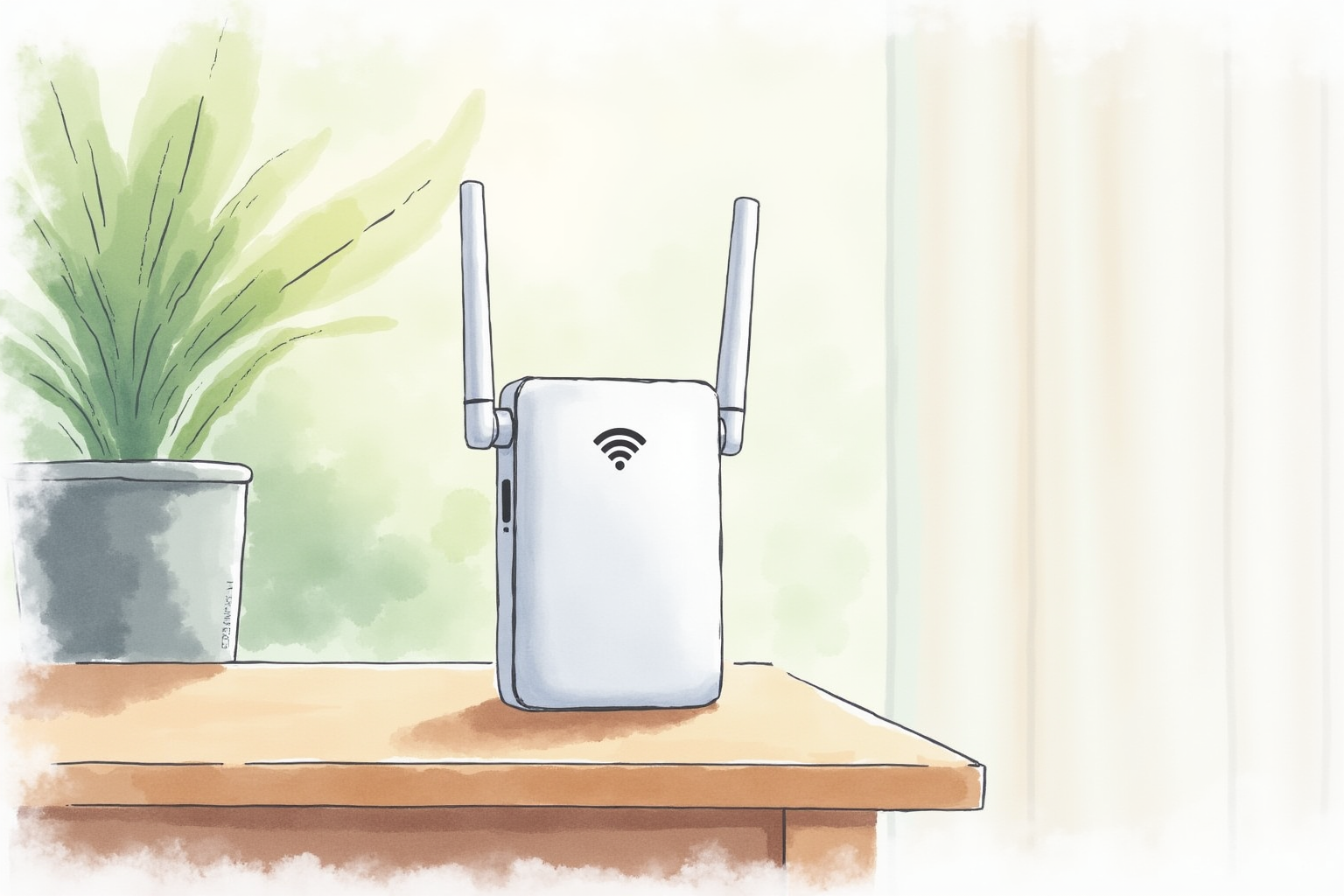
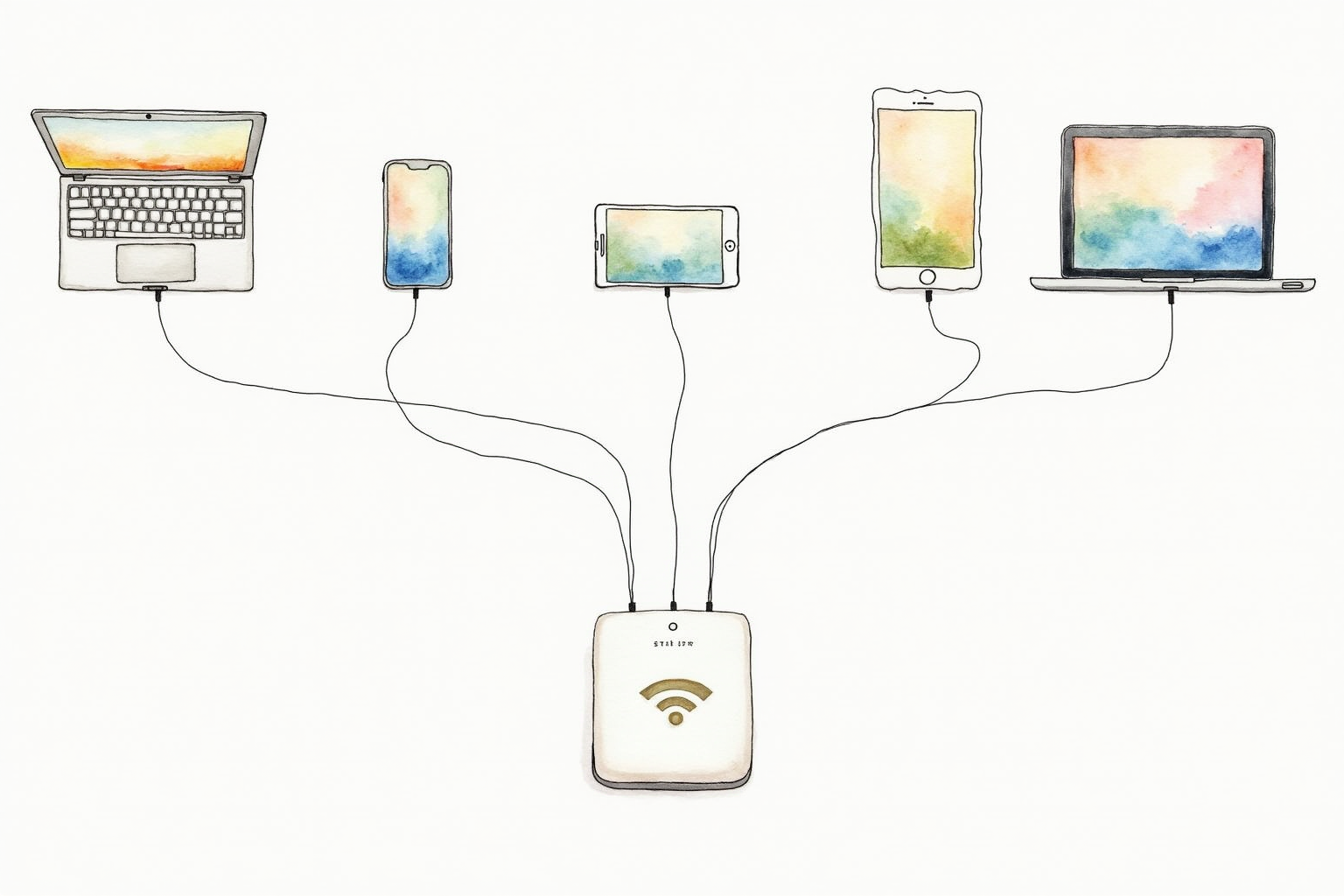
Portable WiFi routers (also called pocket WiFi or MiFi devices) provide connectivity for multiple devices in international travel scenarios where eSIM or carrier roaming falls short. The device-of-record connects to local cellular networks via virtual SIM technology and broadcasts a private WiFi network that laptops, tablets, phones, and accessories can join. The major brands (Skyroam, GlocalMe, TEP Wireless) compete on coverage, battery life, daily rates, and feature depth. We tested the leading options to identify the right device for different traveler profiles.
When Portable WiFi Beats eSIM

eSIM has become the default for solo travelers with eSIM-capable phones. Portable WiFi remains the right choice in specific scenarios:
Multi-device travel: A family of four with phone+phone+laptop+tablet (or business travelers with phone+laptop+tablet) shares one data plan across devices. Per-device cost drops substantially vs four separate eSIMs.
Devices without eSIM support: Older phones, laptops, tablets, GoPro cameras, and many smart watches lack eSIM capability. Portable router provides connectivity for any WiFi-capable device.
Group travel coordination: Sharing one network simplifies group coordination — everyone uses the same WiFi, no per-person setup, no someone-forgot-their-eSIM problems.
Backup connectivity: For travel-critical use cases (digital nomad work, medical professionals on call), having both eSIM and portable WiFi provides redundancy.
Visiting countries with restricted eSIM availability: Some destinations still have limited eSIM provider coverage. Portable WiFi with broader carrier partnerships fills gaps.
Top Pick — Skyroam Solis Lite
Skyroam Solis Lite Mobile Hotspot
Price · $129 device + $9/day or $99/month unlimited
+ Pros
- · Compact 4.4-ounce design fits in any pocket
- · 16-hour battery doubles as 4700 mAh power bank
- · Virtual SIM connects in 130+ countries automatically
- · Unlimited daily data with speed throttle after 500MB
− Cons
- · Speed throttle after 500MB to 384 Kbps
- · Device purchase upfront vs rental options
Price, availability, and ratings can change; verify details on the retailer page before buying.
Skyroam Solis Lite is the right pick for frequent international travelers who want a permanent device. The 129 dollar device cost amortizes over multiple trips — a traveler taking 4 international trips annually pays per-day costs equivalent to rental services after the first trip while owning the device for future use.
The virtual SIM technology automatically connects to local carrier networks at each destination without physical SIM swaps. Coverage spans 130+ countries with no setup required — power on the device, purchase a daily pass through the Solis app, and broadcast WiFi to up to 10 devices.
The honest tradeoff: daily plans throttle speeds significantly after 500MB consumption. The first 500MB delivers full 4G LTE speeds (typically 20-50 Mbps). After 500MB, speeds throttle to 384 Kbps which suffices for messaging, navigation, and emails but is too slow for video calls or streaming. For travelers exceeding 500MB daily, the monthly unlimited plan at 99 dollars provides higher data caps before throttling.
Premium Pick — GlocalMe G4 Pro
GlocalMe G4 Pro WiFi Router
Price · $199 device + $9-15/day plans
+ Pros
- · WiFi 6 standard with faster speeds and better range
- · 5-inch touchscreen for usage monitoring and plan management
- · Hybrid eSIM + physical SIM slot for flexibility
- · Multi-network failover finds best available signal
− Cons
- · Larger and heavier than competitors
- · More expensive upfront vs rental services
Price, availability, and ratings can change; verify details on the retailer page before buying.
GlocalMe G4 Pro is the premium choice for power users — digital nomads, business travelers, content creators. The WiFi 6 standard delivers higher throughput (300+ Mbps theoretical, 100+ Mbps practical) and better range than older WiFi 5 devices, making it suitable for hotel rooms where the router sits 10-15 feet from your laptop.
The 5-inch touchscreen is a substantial usability upgrade vs button-only competitors. You can monitor data consumption in real-time, switch between data plans, configure network settings, and see device connection lists directly on the router. This eliminates the need to constantly check the companion app on your phone.
The hybrid SIM design accommodates both vSIM (cloud-based) and physical SIM. Travelers who happen across a great local prepaid offer can insert a physical SIM rather than paying GlocalMe daily rates. This hybrid flexibility extends device usefulness for budget-conscious long-term travelers.
Rental Pick — TEP Wireless

TEP Wireless Travel WiFi Rental
Price · $9.95-13/day rental, no device purchase
+ Pros
- · No upfront device purchase — rental returned post-trip
- · Includes unlimited data and shipping to/from US addresses
- · 24/7 customer support for technical issues
- · Lower commitment for one-off trips or testing
− Cons
- · Daily cost higher than per-trip plan with owned device
- · Return shipping requires tracking, adds friction
Price, availability, and ratings can change; verify details on the retailer page before buying.
TEP Wireless follows a rental model rather than purchase. You reserve a device online, it ships to your US address before departure, you use it during travel, and return via prepaid shipping after. Daily rate 9.95-13 dollars includes unlimited data with similar throttling policies to Skyroam.
The rental model fits two specific user profiles: travelers taking 1-2 trips per year where device purchase isn’t economical, and travelers testing portable WiFi before committing to a purchase. For frequent travelers (4+ trips annually), Skyroam or GlocalMe purchase amortizes faster.
The total trip cost calculation: 14-day trip at TEP rental is roughly 140-180 dollars. Same trip on owned Skyroam at 9 dollar daily = 126 dollars but requires 129 dollar device purchase = 255 dollar first trip. By second trip, Skyroam cumulative cost (255 + 126 = 381) is lower than two TEP rentals (320-360). The breakeven is the second trip — frequent travelers should buy, occasional travelers should rent.
What To Avoid
Three patterns underperform reliably:
Buying budget no-name pocket WiFi from random Amazon sellers: Coverage maps overstated, carrier partnerships limited, customer support nonexistent. The 30-50 dollar saving vs Skyroam/GlocalMe doesn’t justify the reliability risk.
Relying on a single SIM-locked device for multi-region travel: Some older travel routers require physical SIM swaps at each destination. The hassle of finding, purchasing, and configuring local SIMs negates the convenience benefit.
Forgetting power management: 16-hour battery life sounds plentiful but reduces under heavy use. Always carry a USB-C cable plus access to wall power. Some travelers buy the device and forget to charge it overnight, getting caught with dead battery during the day.
Setup and Daily Use
The startup workflow that works consistently:
Before departure: Activate device, create account with provider, link payment method. Test by powering on at home, connecting your phone to its WiFi, confirming internet access through the device.
At destination: Power on within first 30 minutes of arrival. App auto-detects local network availability. Purchase data pass (daily/weekly/monthly). WiFi network appears as Solis-XXXX or similar — connect devices using provided password.
During trip: Carry router with you during outings. Connect phone, watch, camera as needed. Charge overnight in hotel. Monitor data usage via app to avoid throttle threshold.
End of trip: For owned devices, simply power off and pack. For TEP rental, ship back via included prepaid label within 7 days.
Bottom Line
Portable WiFi routers excel for multi-device travel and group connectivity. Skyroam Solis Lite for frequent owners. GlocalMe G4 Pro for premium users wanting WiFi 6 and touchscreen control. TEP Wireless for rentals on occasional trips. eSIM remains the better solo-traveler choice for single-device use. Total trip data costs roughly 60-130 dollars for typical 1-2 week international travel.
For complete travel connectivity see our eSIM travel guide, travel VPN guide, digital nomad insurance, and communication category.