Wildfire Smoke Airport Delay Mask and Medication Checklist 2026
A 2026 travel checklist for wildfire-smoke airport delays, mask packing, medication planning, air-quality decisions, and rebooking documentation.
Why smoke delays need both travel and health planning
Wildfire smoke can affect a trip even when flames are far from the airport. Smoke can reduce visibility, affect air-traffic flow, close outdoor work areas, strain travelers with asthma or heart conditions, and create rolling delays while crews and aircraft reposition. This checklist is not medical advice and it cannot predict airline obligations. It helps travelers organize masks, medication, documentation, and rebooking decisions using current official sources as of 2026.
The 15-minute airport check
| Check | Where to look | What decision it supports |
|---|---|---|
| Flight status | Airline app and airport screens | Whether to stay at the gate, rebook, or ask staff |
| Airspace status | FAA and airline operational alerts | Whether the delay is local or system-wide |
| Air quality | AirNow or local public-health source | Whether to limit walking and outdoor transfers |
| Health supplies | Medication, mask, water, charger | Whether you can safely wait several hours |
| Rights and receipts | DOT and airline policy pages | Whether to document meals, hotel, or refund choices |
Do not rely on one app notification. Smoke days change quickly, and a delay reason can shift from weather to aircraft rotation, crew legality, or missed connection.

Pack the smoke-delay pouch
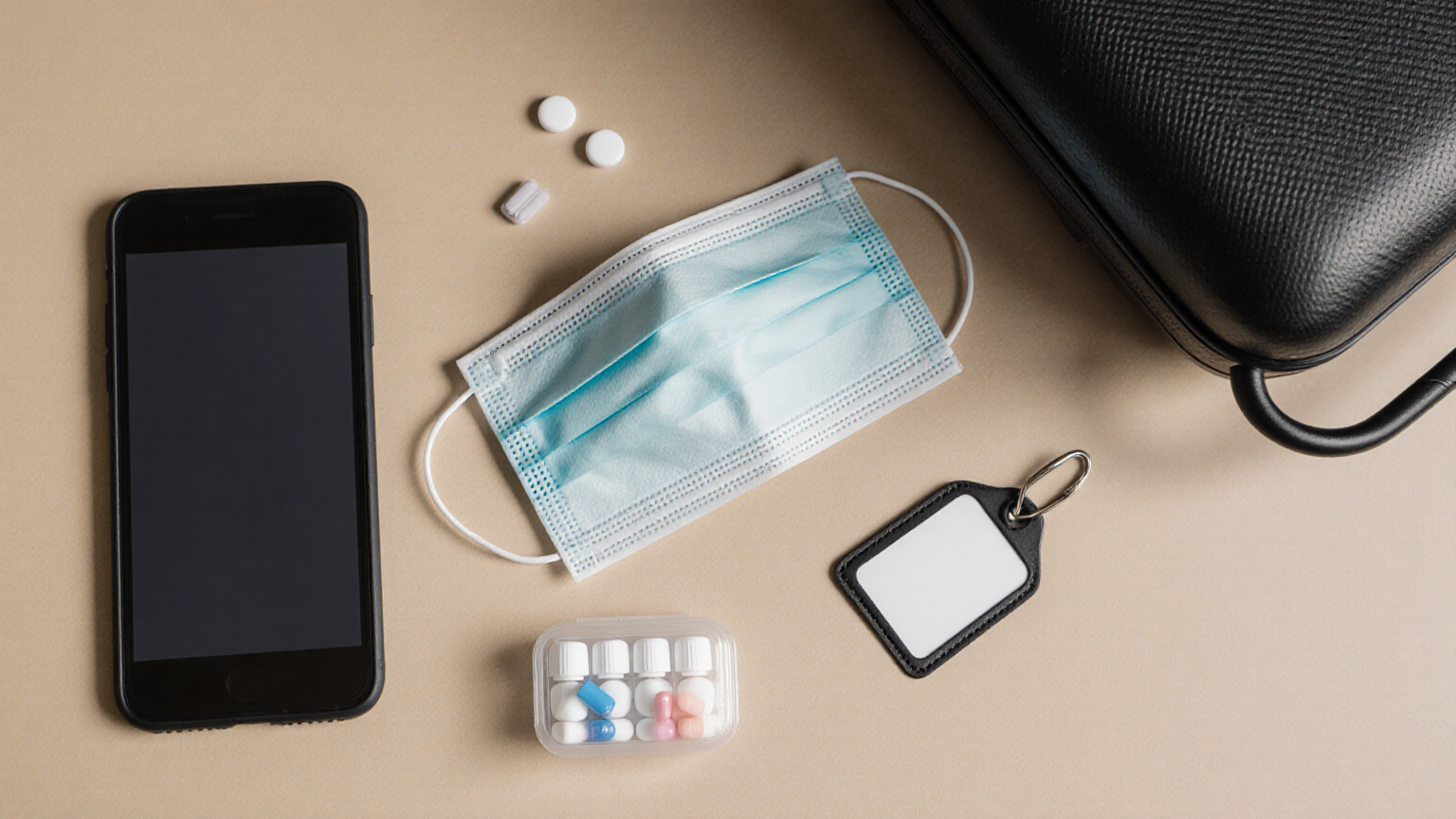
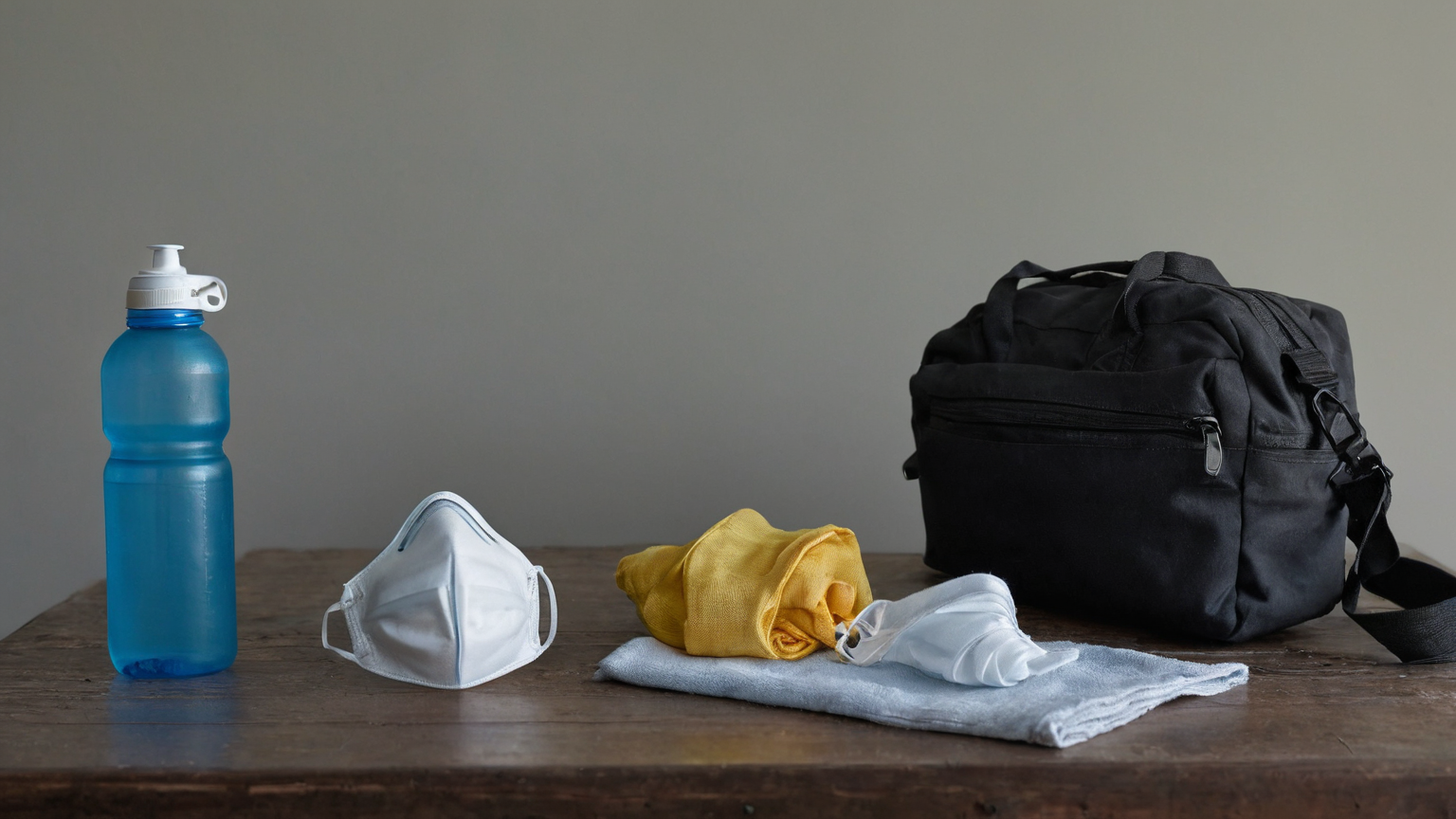
A small pouch should hold a comfortable respirator or mask option, prescription medication in original or clearly identifiable travel packaging, a written medication list, a water bottle, eye drops if recommended for you, a power bank, and a snack that fits your health needs. If medication requires temperature control, pack the cooling method you normally use and confirm TSA screening guidance before travel. Avoid packing essential medicine in checked baggage when a delay or diversion would separate you from the bag.
Decide when to reduce exposure
| Situation | Lower-risk move | Avoid |
|---|---|---|
| Long indoor delay with smoky outdoor air | Stay inside filtered areas when possible | Repeated outdoor curb trips without need |
| Jet bridge or boarding delay | Keep medication and water accessible | Stowing every health item overhead too early |
| Connection at affected hub | Ask about reroute options before boarding | Assuming the next leg will clear by arrival |
| Traveling with high-risk person | Contact clinician or airline assistance early | Waiting until symptoms worsen at the gate |
Medication and documentation rules of thumb
Carry enough medication for the original trip plus delay buffer. Keep a photo or PDF list of medication names, doses, prescriber contacts, allergies, and emergency contacts, but avoid exposing that private information on a public counter. If you use inhalers, nebulizer supplies, CPAP equipment, insulin, or other critical items, confirm airline, TSA, and clinician guidance before departure. For international travel, also check destination medication rules.
Rebooking and refund documentation
Take screenshots of the delay reason, cancellation notice, boarding-pass changes, chat transcripts, and receipts. If the airline offers a voucher, compare it with refund and rebooking rights before accepting. If smoke creates a health concern, ask whether same-day confirmed change, waiver, or later travel credit is available, but do not assume the answer without checking the carrier’s current policy.

Family or group travel split plan
Groups should choose one person to watch airline messages, one to handle health supplies, and one to track receipts. If a traveler has asthma, heart disease, pregnancy, disability, or other smoke-sensitive needs, decide before the trip who will ask for assistance and what level of delay triggers a hotel, alternate route, or cancellation. The point is not alarm; it is avoiding rushed decisions in crowded terminals.
Final checklist before leaving for the airport
- Check AirNow or local health guidance for origin, connection, and destination.
- Pack essential medication in carry-on, not checked luggage.
- Keep mask, water, charger, and documents reachable.
- Screenshot itinerary and airline policy pages before the terminal gets busy.
- Know your backup flight, overnight, or cancellation threshold.
- If symptoms or medical risk are significant, get clinician guidance before travel.
Readiness note
This article preserves AdSense readiness by avoiding exaggerated safety promises, citing official air-quality/travel sources, and giving practical planning steps rather than thin travel filler.