TSA Prescription Medication Travel Label Checklist for 2026
A traveler-friendly checklist for prescriptions, liquid medication, original containers, time zones, copies, international rules, and checkpoint screening.
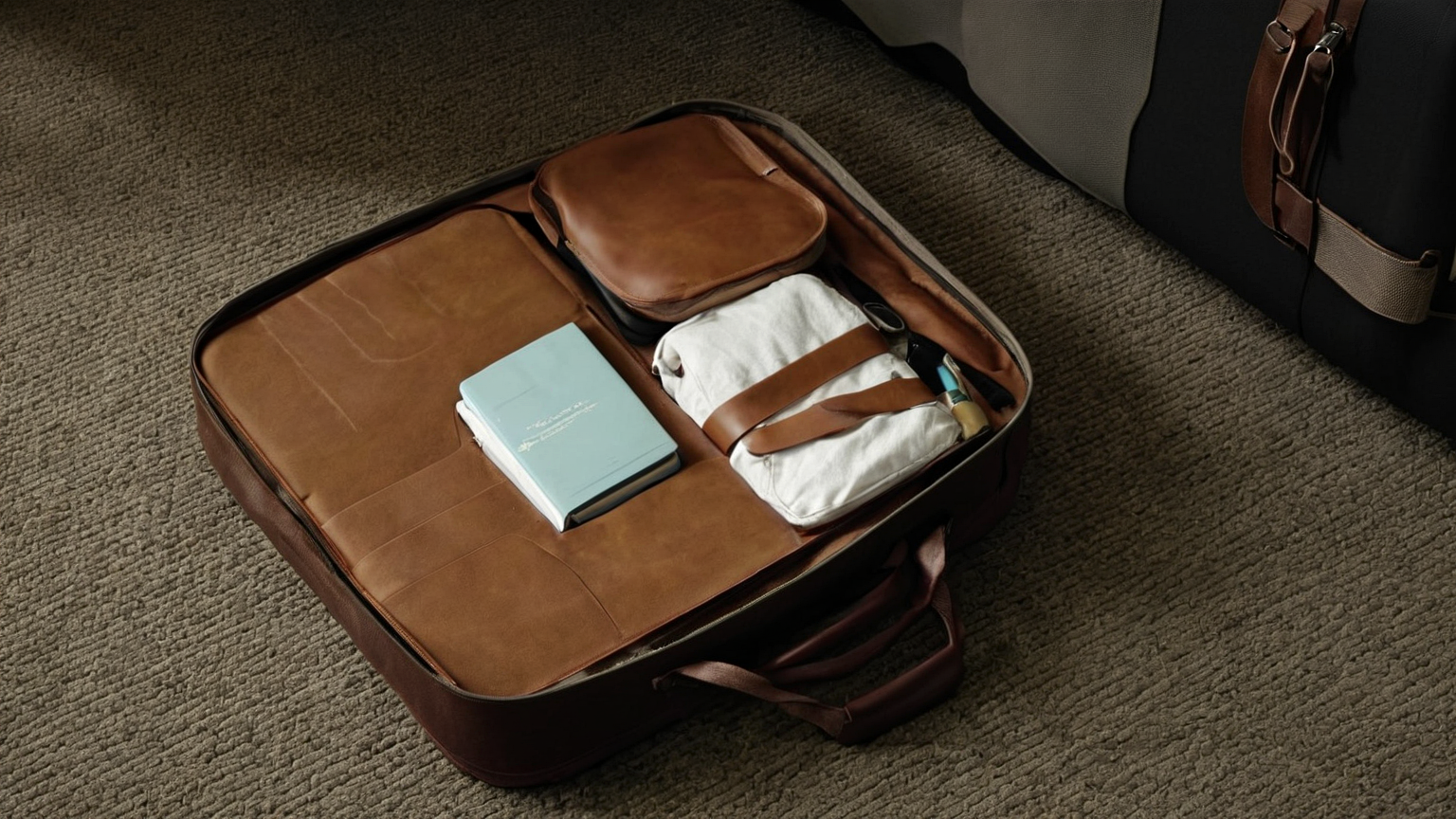
Medication packing is not just a toiletry decision. Travelers may need TSA screening, liquid-medication declarations, time-zone dosing, original containers, copies of prescriptions, and destination-country rules. This checklist was reviewed on June 14, 2026 against TSA, CDC, MedlinePlus, CBP, State Department, and INCB resources. It is general travel education; ask your clinician, pharmacist, airline, and destination authority about your medication.
Decision table
| Travel moment | Safer medication move | Proof to carry |
|---|---|---|
| Before booking | Check destination restrictions and refill timing | Official country guidance and prescription copy |
| Packing | Keep essentials in carry-on where allowed | Labeled container or pharmacy summary |
| TSA checkpoint | Declare medically necessary liquids separately | Medication list and doctor/pharmacy contact |
| Time-zone change | Plan doses with clinician/pharmacist | Written schedule without public labels |
| Return trip | Keep remaining quantities lawful and documented | Receipts and original packaging when useful |
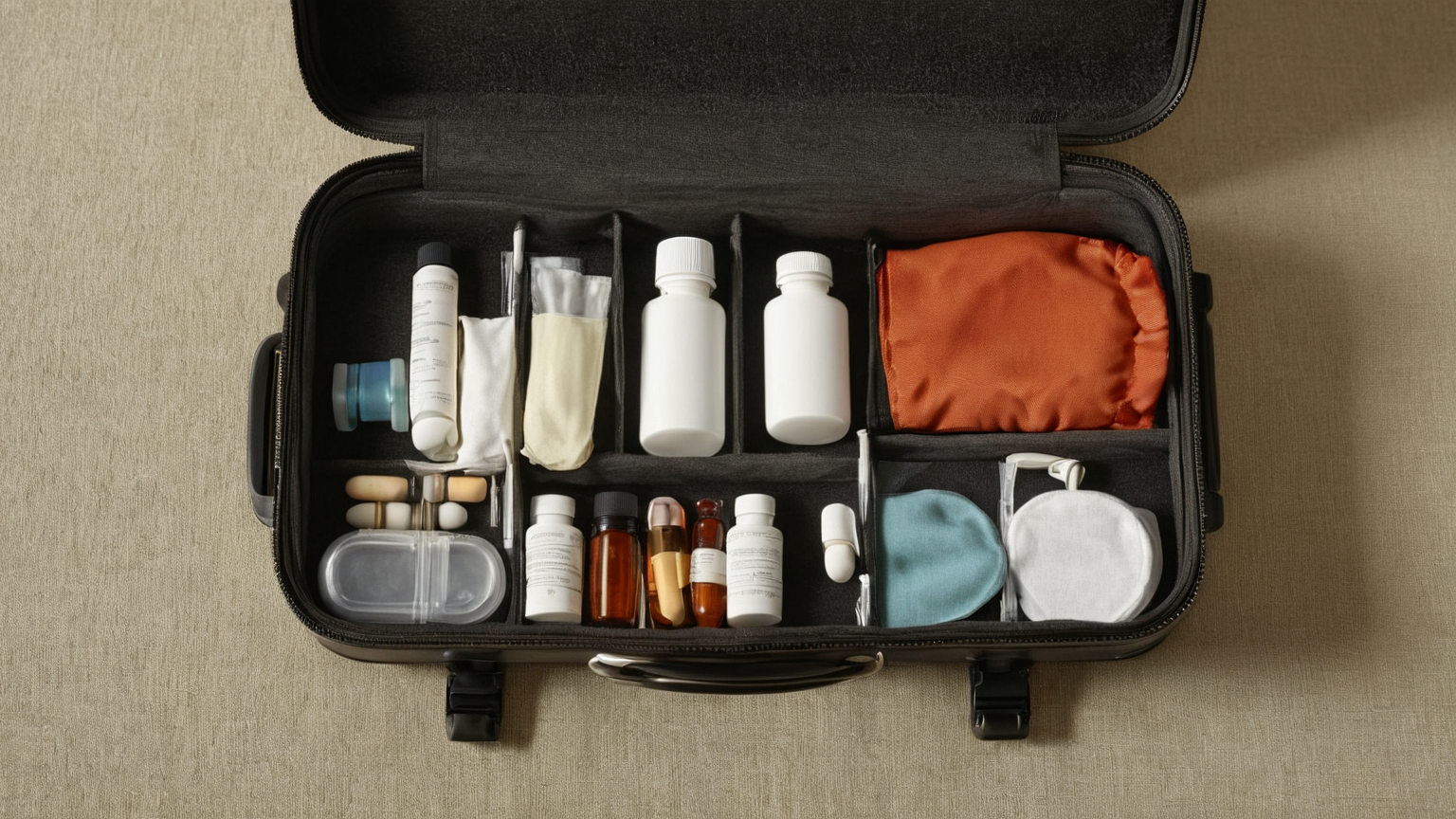
Start with destination rules, not the airport line
TSA screening rules do not guarantee that another country allows the medication. Check destination, transit, and return rules before travel, especially for controlled substances, injectables, medical cannabis, stimulants, sleep medication, and large quantities.
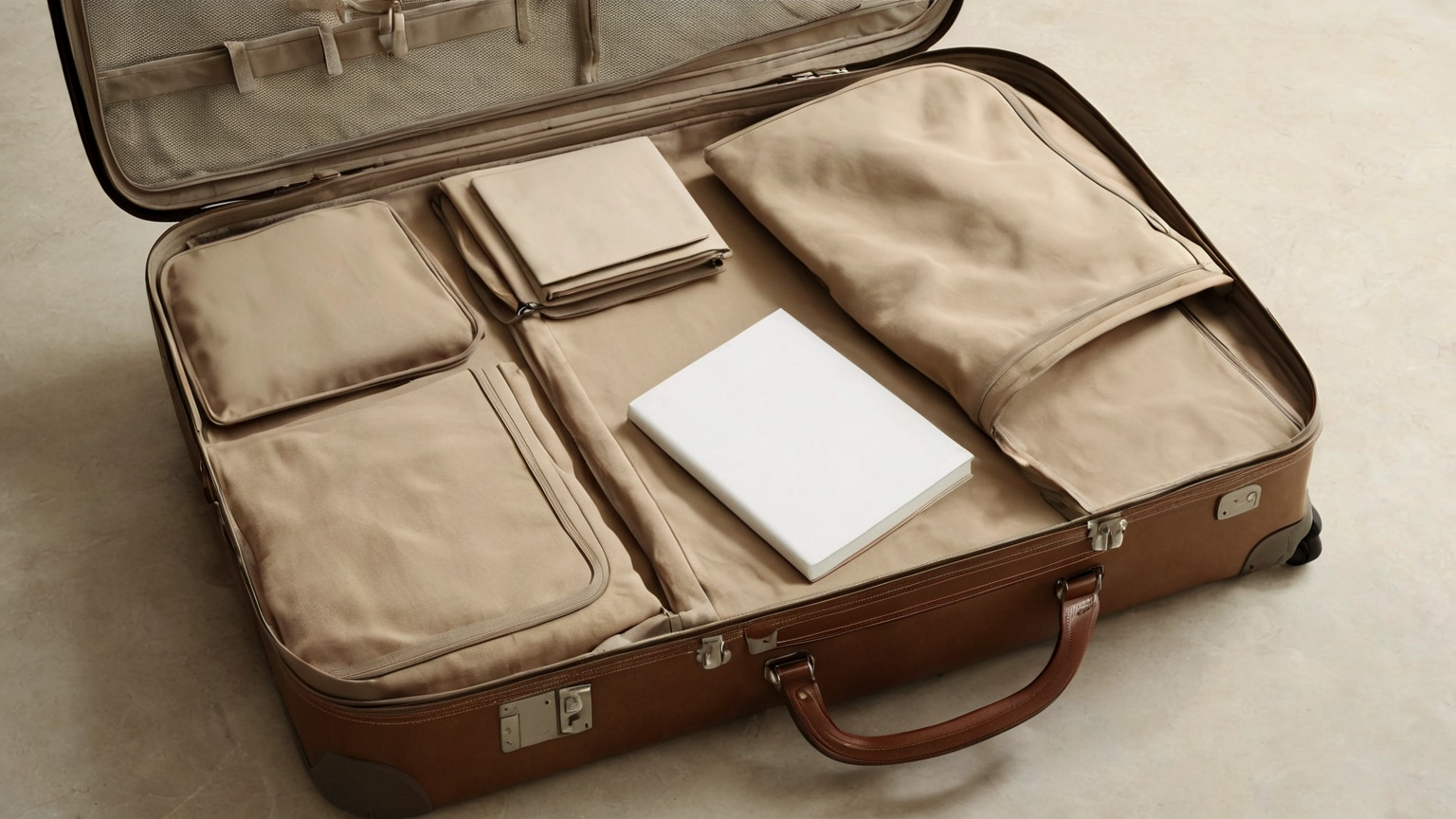
Carry essentials in the cabin when allowed
Checked bags can be delayed, overheated, or lost. Keep essential medication, devices, and reasonable medically necessary liquids in carry-on according to TSA procedures. Pack them so they can be inspected without exposing unrelated private documents.

Use labels and copies as practical evidence
Original containers, pharmacy summaries, prescription copies, and clinician notes can reduce confusion. Do not tape readable medical details to the outside of luggage. Keep sensitive information in a pouch that you control.
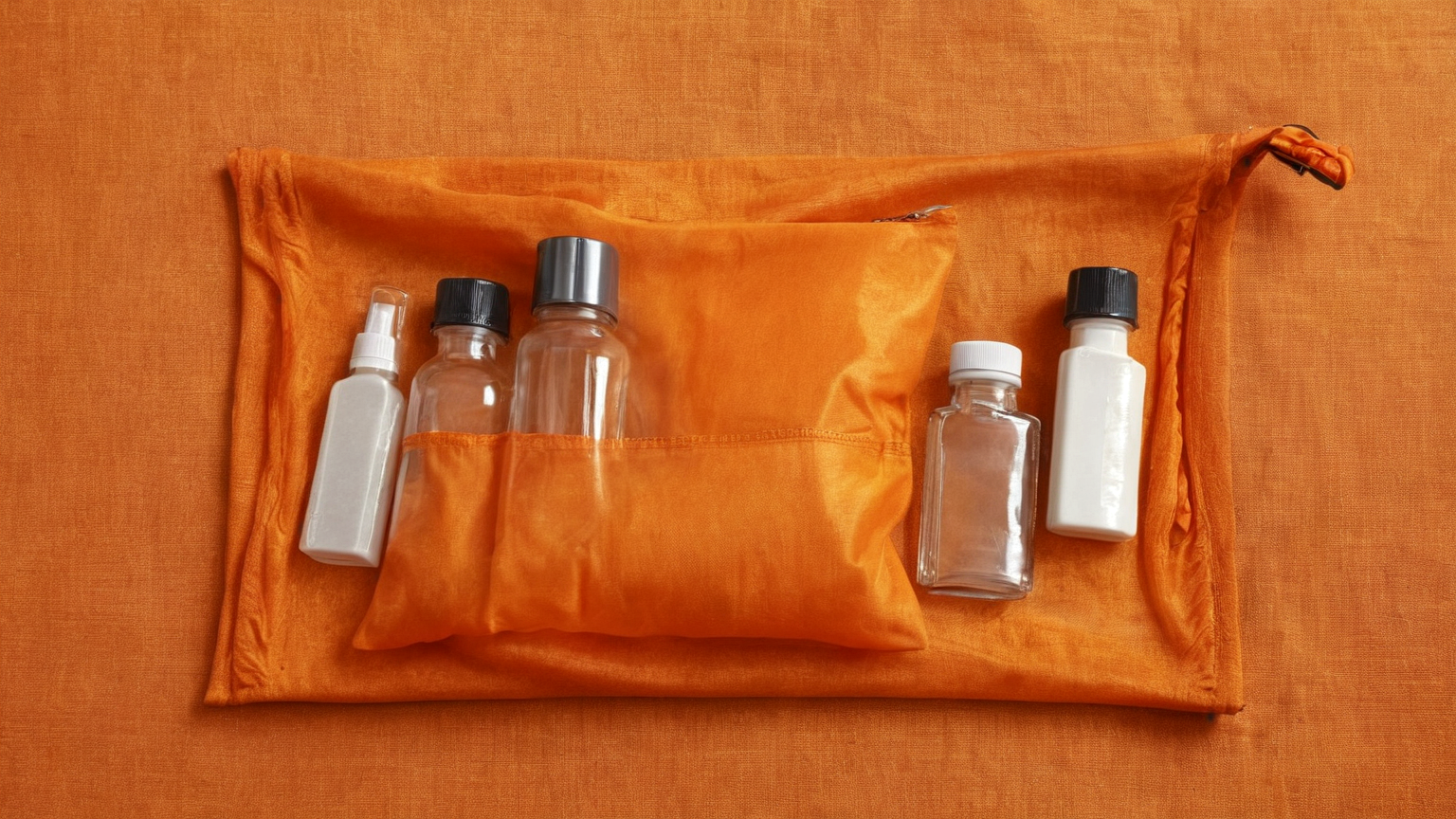
Plan timing across time zones
For medications where timing matters, ask a clinician or pharmacist how to adjust doses across time zones, long flights, missed meals, or sleep disruption. Write the plan in plain language and keep it separate from public labels.
Have a problem plan before departure
Know whom to call if medication is lost, confiscated, spoiled, or delayed. Save clinician, pharmacy, insurer, airline, embassy, and travel clinic contacts offline. If a medication is restricted, do not improvise with substitutes abroad without medical guidance.
Practical checklist
- Use official sources and exact account, device, route, or medication details instead of generic advice.
- Record the decision owner, review date, evidence location, and escalation path.
- Keep sensitive records private: credentials, full account numbers, serials, prescriptions, travel documents, and identity details do not belong in shared screenshots.
- Test the plan before a deadline, trip, billing cycle, support call, or irreversible change.
- Revisit the checklist after provider, policy, device, health, travel, household, or institution changes.
FAQ
Is this current for 2026?
Yes. The article was checked against the listed sources on June 14, 2026, but official pages, institution rules, vendor tools, and travel rules can change.
What should I do first?
Build the decision table first. It turns a vague risk into owners, timing, evidence, and safer next steps.
When should I get expert help?
Ask qualified financial, legal, security, IT, medical, travel, or official support when a mistake could affect money, health, identity, compliance, or access.