Travel Insurance Medical Evacuation Document Checklist for 2026
Prepare a medical evacuation and travel-insurance evidence folder with policy terms, emergency contacts, provider notes, receipts, and destination health constraints.

Medical evacuation is the travel topic most people hope never to use, which is exactly why it should be organized before departure. The question is not simply whether a policy advertises evacuation coverage. Travelers need to know who authorizes transport, which number to call first, what medical notes are needed, whether a local hospital or insurer must approve the move, and how receipts, translations, prescriptions, and passport copies will be handled. This checklist was reviewed on 2026-06-20 against State Department, CDC, Medicare, NAIC, TSA, and embassy resources. It is planning guidance, not medical, legal, or insurance advice.
Quick decision table
| Evidence area | Best use | Watch-out |
|---|---|---|
| Before purchase | Compare evacuation terms, exclusions, assistance number | Assuming all travel insurance moves you home |
| Before departure | Create printed and offline emergency folder | Putting everything in one locked phone |
| At destination | Know local emergency and embassy routes | Waiting to research hospitals during crisis |
| During claim | Save notes, receipts, authorization records | Changing flights without claim evidence |
| After return | Review gaps and update checklist | Forgetting what failed |
Practical checklist
- Before purchase: Use it for compare evacuation terms, exclusions, assistance number. Watch out for assuming all travel insurance moves you home.
- Before departure: Use it for create printed and offline emergency folder. Watch out for putting everything in one locked phone.
- At destination: Use it for know local emergency and embassy routes. Watch out for waiting to research hospitals during crisis.
- During claim: Use it for save notes, receipts, authorization records. Watch out for changing flights without claim evidence.
- After return: Use it for review gaps and update checklist. Watch out for forgetting what failed.
Read evacuation wording before buying the policy
Medical evacuation can mean transport to the nearest adequate facility, transfer to another hospital, return home after stabilization, or a service coordinated by an assistance company. Those are not identical promises. Read the benefits, exclusions, preauthorization rules, adventure activity limits, alcohol or drug exclusions, preexisting condition language, and contact procedure before relying on a brochure headline.
Build an emergency folder that a companion can use
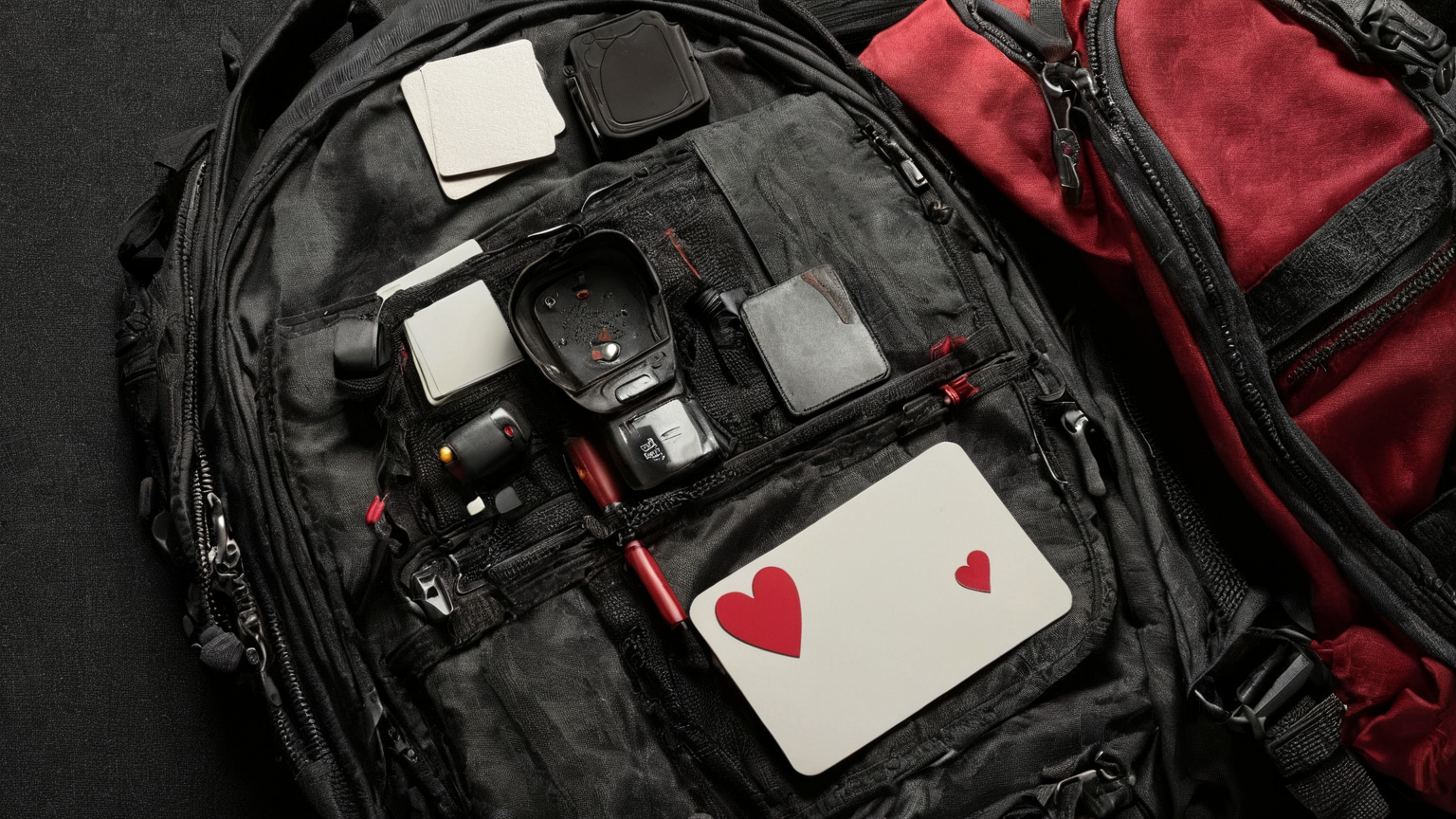
Store policy number, assistance phone, destination emergency numbers, embassy contacts, medication list, allergies, clinician contact, passport copy, itinerary, lodging address, and trusted family contact. Keep a printed version and an offline digital version. If only one phone contains the information and that phone is lost, locked, wet, or with the patient, the plan fails.

Coordinate health guidance with destination realities
Check destination health notices, required or recommended vaccines, medication rules, climate risks, road safety, altitude, and local hospital access. Medicare and domestic health coverage may not work the same way abroad. A traveler with chronic conditions should discuss the route with a qualified clinician and ask how to document baseline status, prescriptions, and equipment needs.

Preserve evidence during the emergency without delaying care
During a serious event, care comes first. Still, a companion can keep discharge notes, doctor letters, receipts, airline change records, hotel changes, ground transport receipts, and claim reference numbers. Ask for English copies or translations when practical. Do not post private medical details publicly while trying to coordinate help.

Debrief after return so the next trip is safer
After a claim or near miss, save the final insurer decision, note what documents were missing, update emergency contacts, and review whether the policy matched the trip risk. If a route involves remote regions, cruises, adventure sports, pregnancy, older travelers, or complex health needs, the next policy may need different limits or assistance terms.
AdSense and trust readiness note
This article is written as practical education. It avoids affiliate pressure, keeps sensitive information out of images, and points readers back to official sources and qualified professionals when the decision is personal, regulated, or high risk.
Source review and next update
The source list in the frontmatter was reviewed for this publication run. Re-check official guidance before relying on thresholds, tax limits, benefits rules, platform UI, travel requirements, or health advice because those can change faster than evergreen planning habits.