Power Bank and Lithium Battery Flight Packing Checklist for 2026
Pack chargers, power banks, spare lithium batteries, mobility batteries, and device evidence for flights without airport surprises.
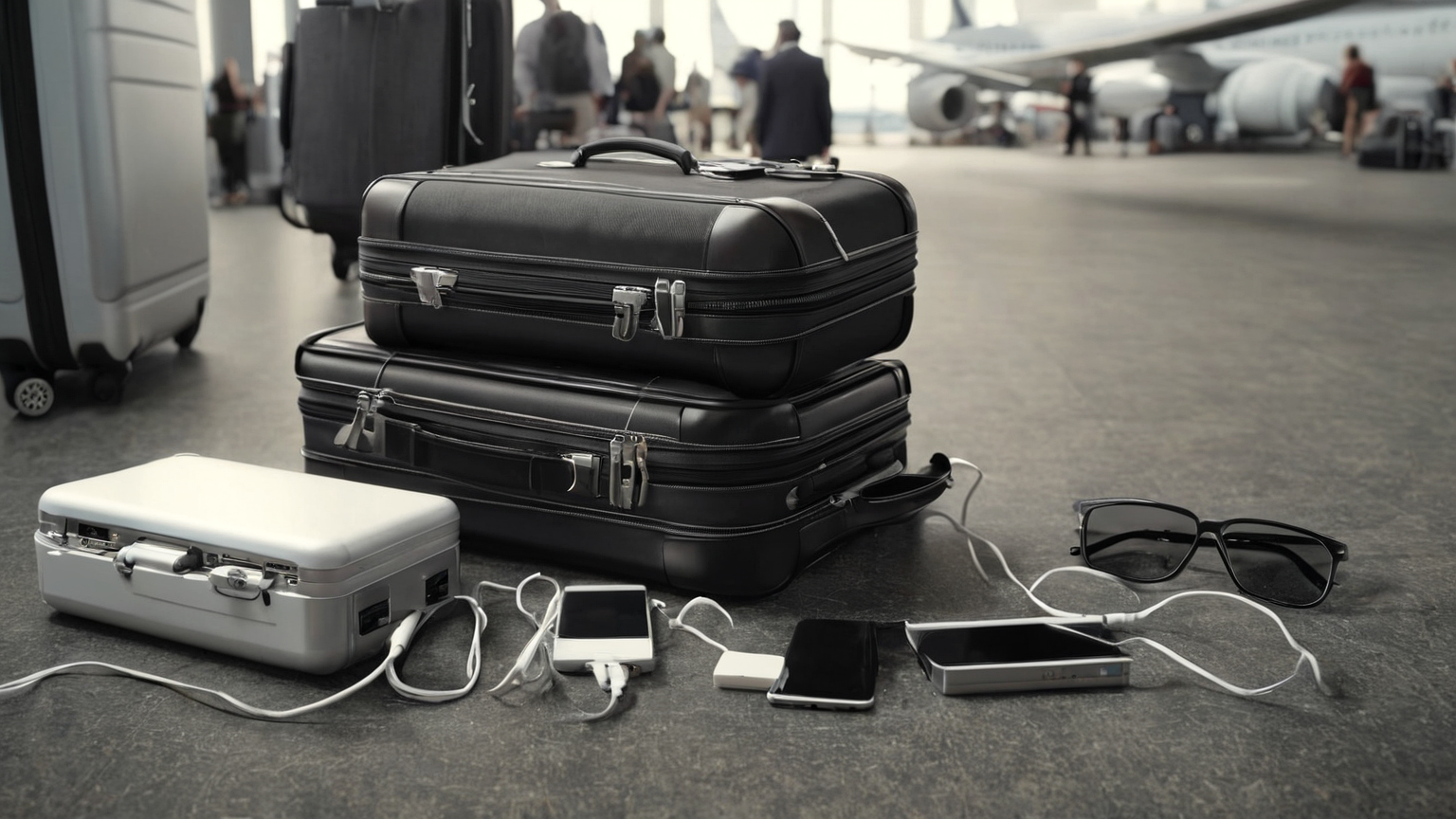
Chargers feel like ordinary travel items until a power bank, spare lithium battery, e-bike battery, smart bag, camera battery, or mobility-device battery meets airline and security rules. The safest routine is to decide what belongs in carry-on, what must be protected from short circuit, what needs airline approval, and what should be left home. This guide was checked on June 5, 2026 against FAA PackSafe, TSA, IATA, U.S. DOT, and device-maker safety resources. Always verify your airline, aircraft, destination, and device manual before travel.
Practical decision table
| Item | Safer packing choice | Extra check |
|---|---|---|
| Power bank | Carry-on only, terminals protected | Watt-hour rating visible or documented |
| Spare camera battery | Individual case or taped terminals | No loose metal contact |
| Laptop or phone | Carry-on preferred, powered off if checked | Swelling or damage means do not fly |
| Smart bag | Removable battery accessible | Airline rule before airport arrival |
| Mobility battery | Contact airline early | Approval documents and device manual |
Separate installed batteries from spares
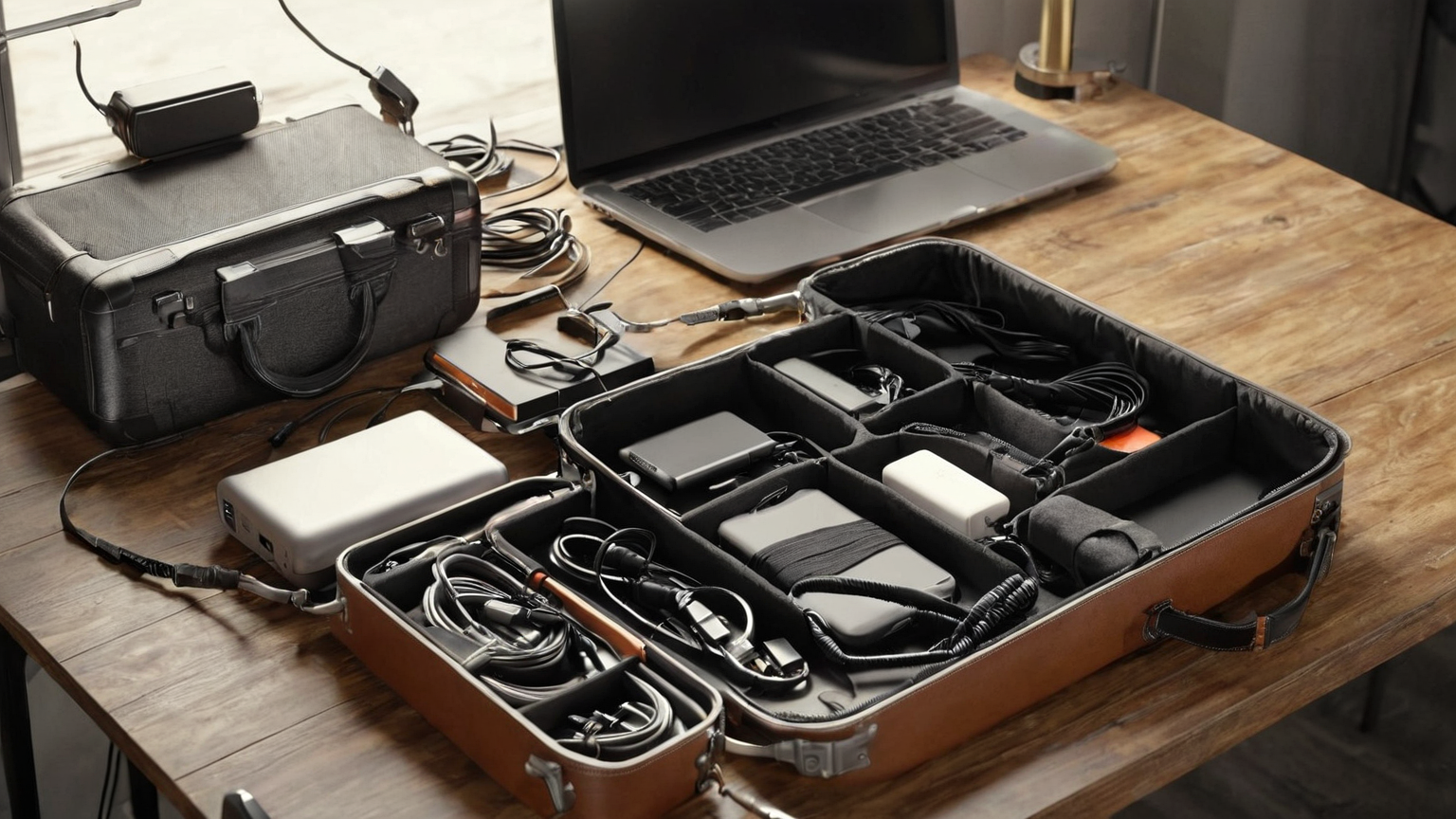
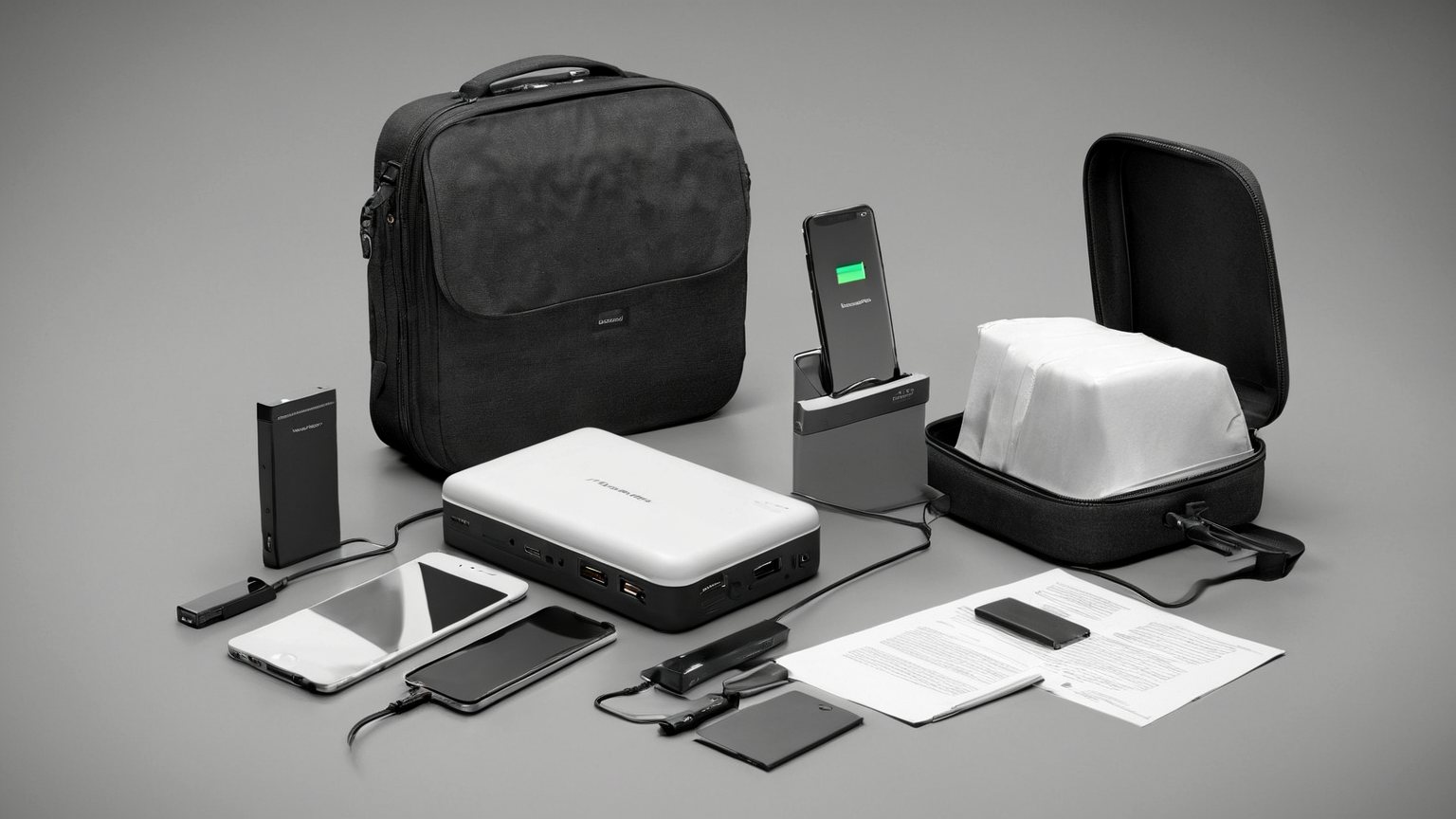
A phone, laptop, tablet, camera, or game device with an installed battery is handled differently from a loose spare or power bank. Spares generally need carry-on protection because cabin crew can respond if there is overheating. Use individual sleeves, retail packaging, or terminal covers so keys, coins, or cables cannot short the contacts.
Find the watt-hour story before check-in
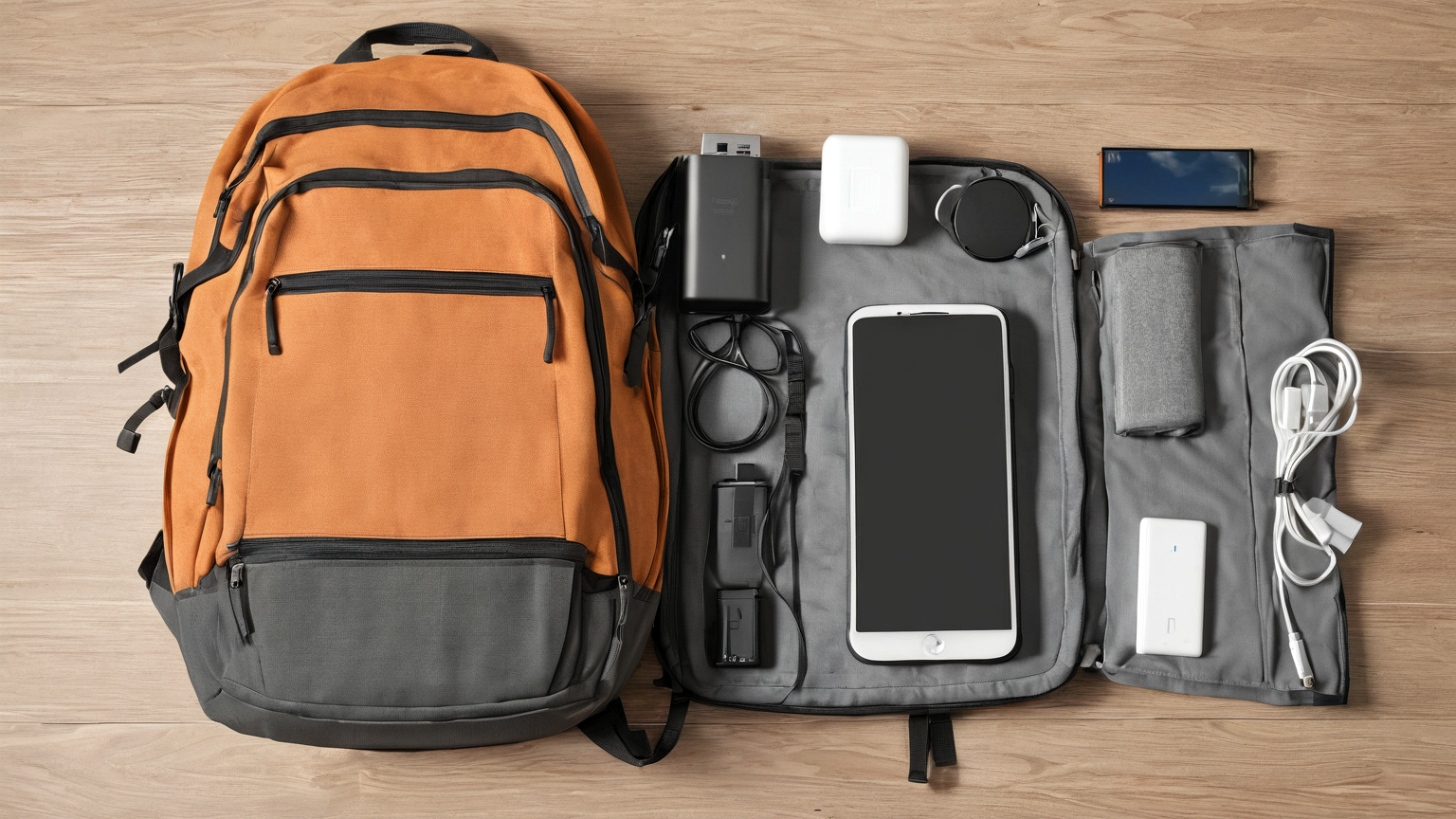
Many power banks print capacity in milliamp-hours, while aviation limits and airline forms may use watt-hours. Do not guess at the counter. Look for the Wh rating on the device or manual, save a manufacturer page when useful, and leave unmarked, swollen, damaged, recalled, or suspicious batteries at home. A cheap high-capacity bank with no credible markings can cost more time than it saves.
Plan smart bags and mobility devices early
Smart luggage should have a removable battery that can travel according to airline rules. Mobility devices, medical equipment, and larger batteries may require advance airline contact, forms, protected terminals, device dimensions, and handling instructions. Do not wait until boarding to explain a battery that crew have never seen.

Pack for inspection without exposing private data
Security officers may need to inspect electronics, but your packing system should not expose passports, medical records, work files, or children’s information unnecessarily. Use simple pouches, keep device screens blank or off, and avoid taping personal notes to batteries. If a device must be powered, make sure it is charged enough to demonstrate function if requested.
Create a return-trip check
Travelers often buy adapters, replacement chargers, or extra batteries abroad. Before the return flight, repeat the same inspection: condition, capacity marking, terminal protection, carry-on placement, and airline restrictions. If a battery was dropped, soaked, overheated, bulged, or came from an unknown seller, recycle it locally through a proper channel rather than putting it on a plane.
Implementation checklist
- Record the owner, review date, official source, evidence location, and decision rule before changing money, security, travel, or account settings.
- Use official pages and account settings instead of social posts, sales pages, screenshots, or outdated forum advice.
- Keep proof: confirmations, support case numbers, receipts, settings exports, time-stamped photos, and dated notes when appropriate.
- Reduce single points of failure such as one login, one device, one payment account, one document, one traveler, or one undocumented recovery path.
- Revisit the plan after policy changes, travel changes, provider updates, device replacement, incidents, returns, disputes, or account offboarding.
FAQ
Is this current for 2026?
Yes. The workflow was checked against the listed sources on June 5, 2026, but provider, airline, account, workspace, and official rules can change.
What should I do first?
Build the decision table first. It shows timing, evidence, owners, and the safest escalation path before you make irreversible changes.
When should I get expert help?
Use qualified financial, security, legal, travel, medical, tax, or official support when a mistake could affect money, identity, health, compliance, or access.