Lost Passport Abroad Recovery Plan: Embassy, Airline, Identity, and Backup Documents for 2026 Trips
Prepare for a lost passport abroad with document backups, embassy contacts, police-report decisions, airline buffers, insurance records, and identity-protection steps.
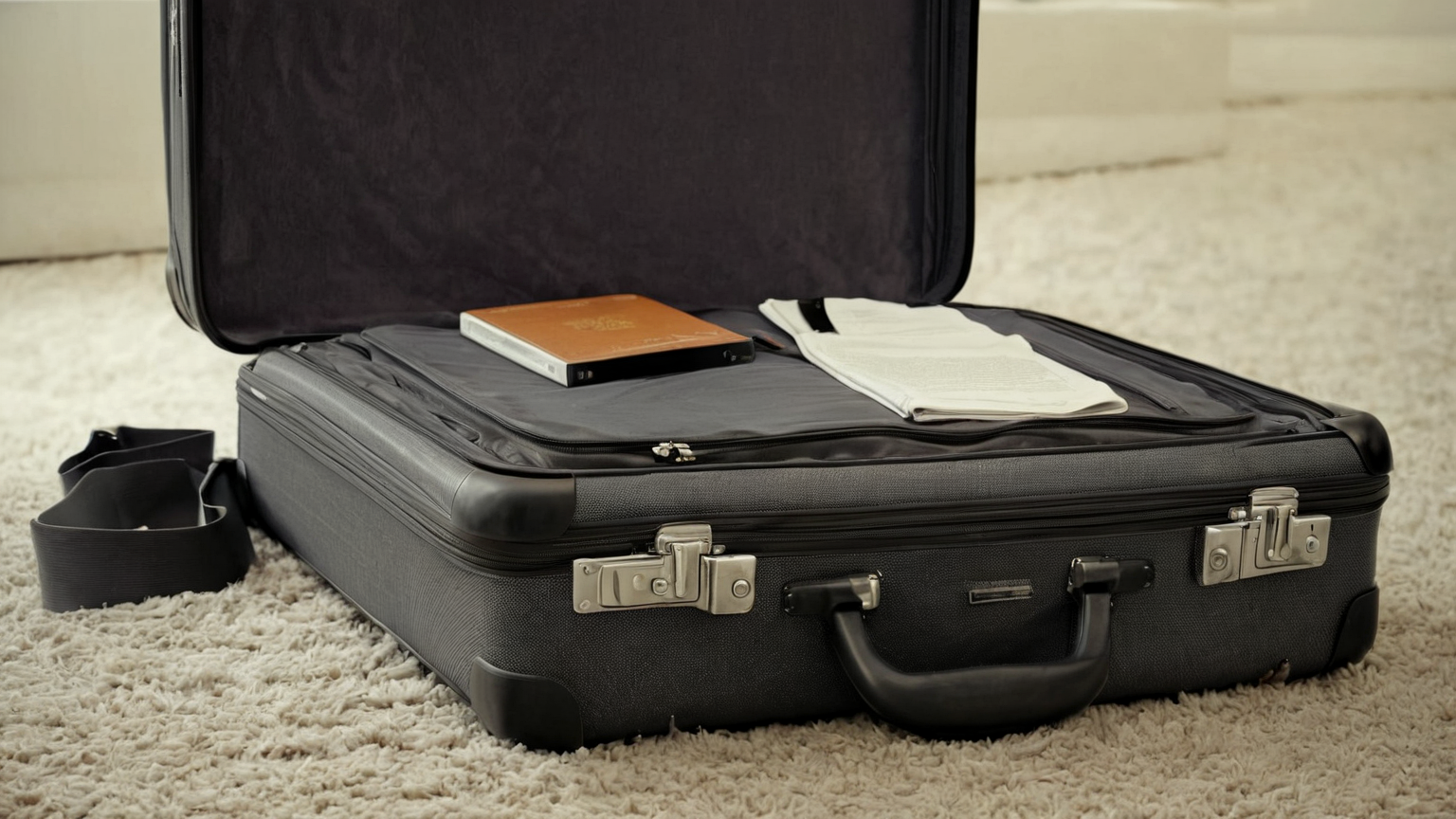
Losing a passport abroad is not just an identity problem; it can disrupt flights, hotels, visas, medications, and family plans. The best response begins before departure with copies, contacts, and a realistic understanding that replacement documents may take time and may have travel limits. This guide was checked on June 1, 2026 against U.S. State Department, TSA, CBP, FTC, and travel-health resources. Always follow the nearest embassy or consulate’s instructions for your nationality and location.
Quick audit table
| Area | What to decide | Evidence to keep |
|---|---|---|
| Owner | Who is responsible? | Name, date, and contact path |
| Risk | What can fail? | High-impact scenarios and limits |
| Timing | When must action happen? | Calendar reminder or review cadence |
| Proof | What confirms completion? | Confirmation, screenshot, receipt, or log |
| Escalation | Who helps if stuck? | Official support or qualified expert route |

Start with the evidence, not memory
Before travel, prepare a document packet that does not depend on one bag or one phone. Keep a photo of the passport data page, a printed copy stored separately from the passport, emergency contacts, itinerary, hotel address, medication list, insurance details, and the nearest embassy or consulate contact page. Avoid storing sensitive scans in an unlocked gallery or shared device.

Map the failure modes before choosing tools
If the passport is missing, pause before assuming theft. Check the hotel safe, jacket pockets, airline seat pocket, rideshare, restaurant, and day bag. If theft is likely, ask local authorities what report is appropriate, but do not delay contacting the embassy when travel is imminent. A police report may be useful, yet embassy instructions and identity verification drive the replacement process.

Document proof while the process is calm
Flight plans need conservative buffers. Emergency passports or limited-validity documents may not support every connection, destination, or onward itinerary. Contact the airline before arriving at the airport, verify transit requirements, and avoid booking a risky route through a country that may require full document validity. Keep receipts for rebooking and lodging if insurance or card benefits may apply.
Build a review rhythm that survives busy weeks
Identity protection continues after the trip. A lost passport can expose personal data, so monitor accounts, beware of follow-up scams, and follow official guidance for reporting identity-theft concerns. If visas or entry stamps were in the lost passport, ask the relevant authorities how to handle exit documentation rather than guessing at the airport.

Keep the plan helpful instead of punitive
The most useful travel habit is a ten-minute pre-trip drill: identify the nearest consulate, save offline copies, split payment cards, verify emergency contacts, and teach every adult traveler where the backup packet lives. You cannot remove the stress of a lost passport, but you can remove the avoidable chaos.
Decision checklist
- Write down the owner and next review date.
- Save proof in a place you can find during a dispute or emergency.
- Prefer official support pages over social-media screenshots.
- Avoid changes that create a single point of failure.
- Revisit the plan after travel, device replacement, billing changes, or family/team changes.
FAQ
Is this current for 2026?
Yes, this workflow was checked against the listed official and vendor-neutral sources on June 1, 2026. Always verify account-specific terms, provider settings, travel rules, or safety instructions before acting.
What should I do first?
Create the table before changing settings. A clear inventory prevents over-correcting, missing hidden dependencies, or deleting something that still protects you.
When should I get expert help?
Contact the nearest embassy or consulate immediately when travel is imminent, theft is likely, visas are involved, or airline routing depends on replacement-document limits.