Japan Earthquake and Tsunami Travel Action Plan (2026)
A conservative, source-led earthquake and tsunami action plan for independent Japan travelers: shaking, coastal evacuation, transport, contact, and kit decisions.
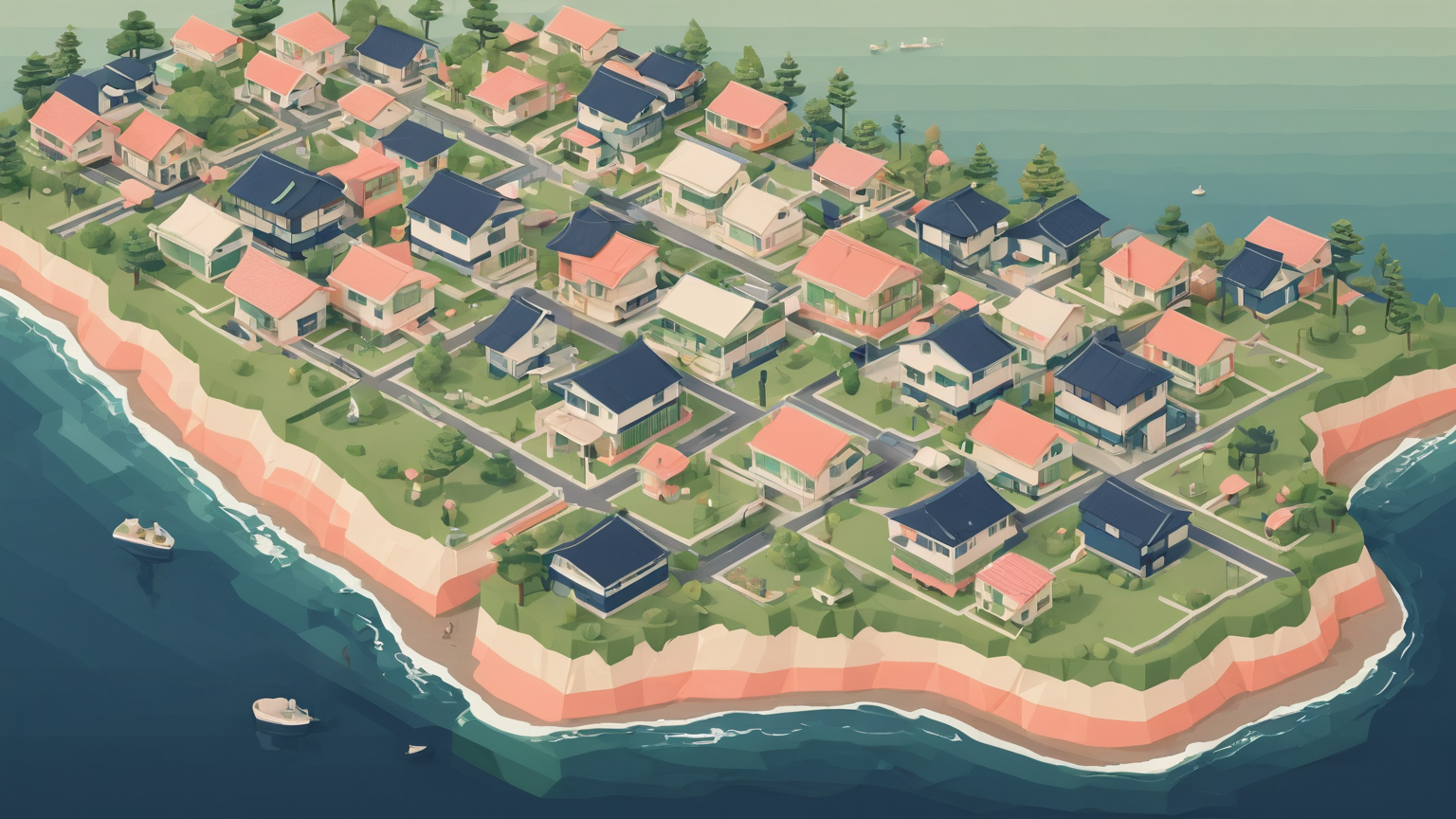
An earthquake in Japan does not automatically mean a ruined trip, and a phone alert does not automatically tell an independent traveler what to do next. Your useful decisions are local: what is falling in this room, whether you are in a coastal inundation area, which route reaches safer ground, whether transport has actually resumed, and who knows where you are.
This plan is deliberately conservative. It was checked against official sources on August 24, 2026, but an article cannot see your building, health, shoreline, or current warning. During an incident, instructions from the Japan Meteorological Agency (JMA), police, fire services, municipal authorities, transport operators, and trained staff take priority. Do not enter damaged places, cross barriers, approach the shore to watch waves, or delay evacuation to collect luggage.
The first decision: shaking now, coastal danger next
Use a two-stage mental model:
- While the ground is moving, reduce injury from falling, sliding, and broken objects. Protect your head, get low, and shelter under a sturdy table if one is immediately available. Stay away from windows and tall unsecured furniture. Do not run through a lobby, street, or stairwell while debris may be falling.
- As soon as movement permits, assess secondary hazards. Fire, broken glass, damaged walls, blocked exits, aftershocks, and tsunami exposure may change the safe place. Near the coast, strong or long shaking is itself a reason to move promptly inland or to higher ground; do not wait beside the water for a perfect translation or a visible wave.
JNTO’s earthquake response page tells travelers to protect their heads, secure safety, follow staff after the tremor, and remain alert for aftershocks and secondary disasters. JNTO’s broader emergency guidance specifically says travelers by the coast should head for higher ground after a large earthquake.
This sequence is not a guarantee. A damaged room, fire, gas smell, ceiling failure, or instruction from responders may require a different immediate move. If one exit looks unsafe, use the building’s established alternative only if it is accessible and authorities or conditions support doing so. Never use an elevator after significant shaking until the operator or authorities confirm it is safe.
In a hotel, hostel, or rental
Before sleeping, identify the normal exit, an alternative, the stair location, and a place away from glass where you can protect yourself. Keep shoes, a light, room key, phone, and a small grab bag reachable without crossing the room. This is not a reason to block a corridor or prop open a fire door.
During shaking:
- get low before you are knocked down;
- cover your head and neck;
- use a sturdy table if it is within a step or two, rather than crossing a room;
- stay clear of windows, mirrors, televisions, shelves, and hanging fixtures;
- do not stand in a doorway merely because it is a doorway;
- do not light a flame or touch damaged electrical equipment.
After shaking stops, put on shoes, check for immediate hazards, and listen. Take the stairs only when the route appears usable and instructions support leaving. Carry essentials, not a suitcase. Leave elevators, damaged balconies, sea walls, and cordoned areas alone.
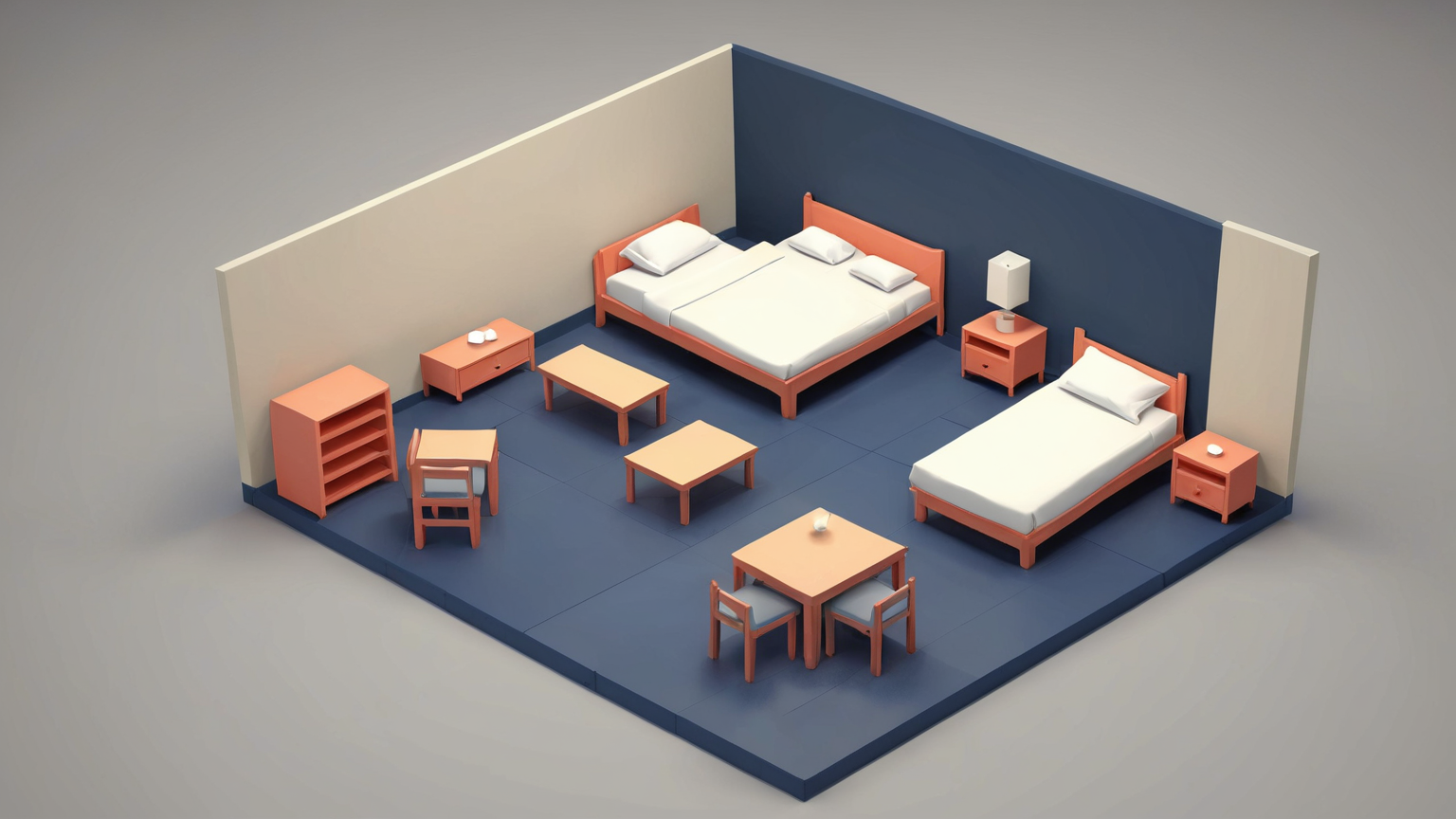
The Cabinet Office’s disaster mitigation points for foreigners provide multilingual preparedness material intended to make core actions more accessible. Save an appropriate language version before travel, but expect local staff to have building-specific information that a national poster cannot provide.
Near the coast: leave first, calculate later
If you feel strong or prolonged shaking near the coast, move inland or upward as soon as you can do so safely. Follow marked local evacuation routes and officials. A tsunami can arrive as multiple waves, and later waves can be dangerous. Do not return because the water looks calm, an initial wave seemed small, or other visitors are walking back. Wait for an official all-clear.
JMA’s live tsunami warnings and advisories are the authoritative national status source. The interactive page may depend on connectivity and browser support, so it should supplement—not delay—physical evacuation and local announcements.
Use route arithmetic only during pre-trip planning. Hypothetical example:
- hotel to mapped high ground: 900 meters;
- conservative uphill walking assumption: 60 meters per minute;
- movement time:
900 ÷ 60 = 15 minutes; - add 5 minutes for shoes, route congestion, and one blocked corner;
- planning estimate:
15 + 5 = 20 minutes.
That is not a tsunami-arrival forecast and not a promise you can complete the route. A person with limited mobility, a child, heat, darkness, debris, steep grades, or crowding may need much longer. If the route is coastal, crosses a bridge, uses an elevator, or ends only slightly above the waterfront, ask the accommodation or municipality for a safer alternative before arrival. During real strong shaking, start moving when safe; do not stop to recompute pace.
A simple location decision table
| Situation after shaking | Default action | Do not do | Escalate when |
|---|---|---|---|
| Coastal low ground | Move inland/uphill by the local evacuation route | Wait for a photo-worthy wave or return early | Route is blocked, mobility support is needed, or officials redirect you |
| Hotel room, no obvious damage | Protect first; then assess and follow staff | Rush into an elevator or carry all luggage | Fire, gas odor, falling material, injury, or structural damage appears |
| Station or train | Follow crew and operator instructions | Walk onto tracks or force doors | Smoke, medical emergency, unsafe crowding, or staff order evacuation |
| Street with debris | Move away from glass, walls, poles, and traffic | Enter a damaged building or cross tape | No safe open area is reachable |
| Higher ground | Stay until an official all-clear | Descend because the sea looks normal | Exposure, medical needs, or responders direct relocation |
Information stack: one app is not a plan
JMA maintains multilingual disaster information links and a live earthquake information map. Use them to confirm location, intensity information, and current official messaging after immediate self-protection. A social post, hotel-group chat, or screenshot without a timestamp is not a substitute.
The JNTO Safety tips app page describes push alerts for earthquake early warnings, tsunami warnings, and weather warnings in multiple languages, plus evacuation flowcharts and useful phrases. Install and configure it before travel if compatible with your device. Then create redundancy:
- enable emergency notifications and location permission as appropriate;
- bookmark JMA in a browser;
- save the accommodation name, address, and phone offline;
- screenshot the municipality’s evacuation route for the exact neighborhood;
- carry a small battery reserve and cable;
- agree on one out-of-area contact and a reunion rule;
- listen to staff, public-address announcements, and responders.
The site’s Japan eSIM, IC card, and rail setup guide can help prepare connectivity, but an eSIM does not guarantee service when networks are congested or power is out. Preserve battery by sending one short status message with location and next action rather than maintaining repeated calls.
Transport: paused does not mean abandoned
Rail operators may stop trains for inspection even where visible damage is absent. Roads, airports, and ferries may also pause. Do not interpret a stationary train as permission to self-evacuate onto the track. Crew know traction-power, tunnel, bridge, and adjacent-train conditions that passengers cannot see.
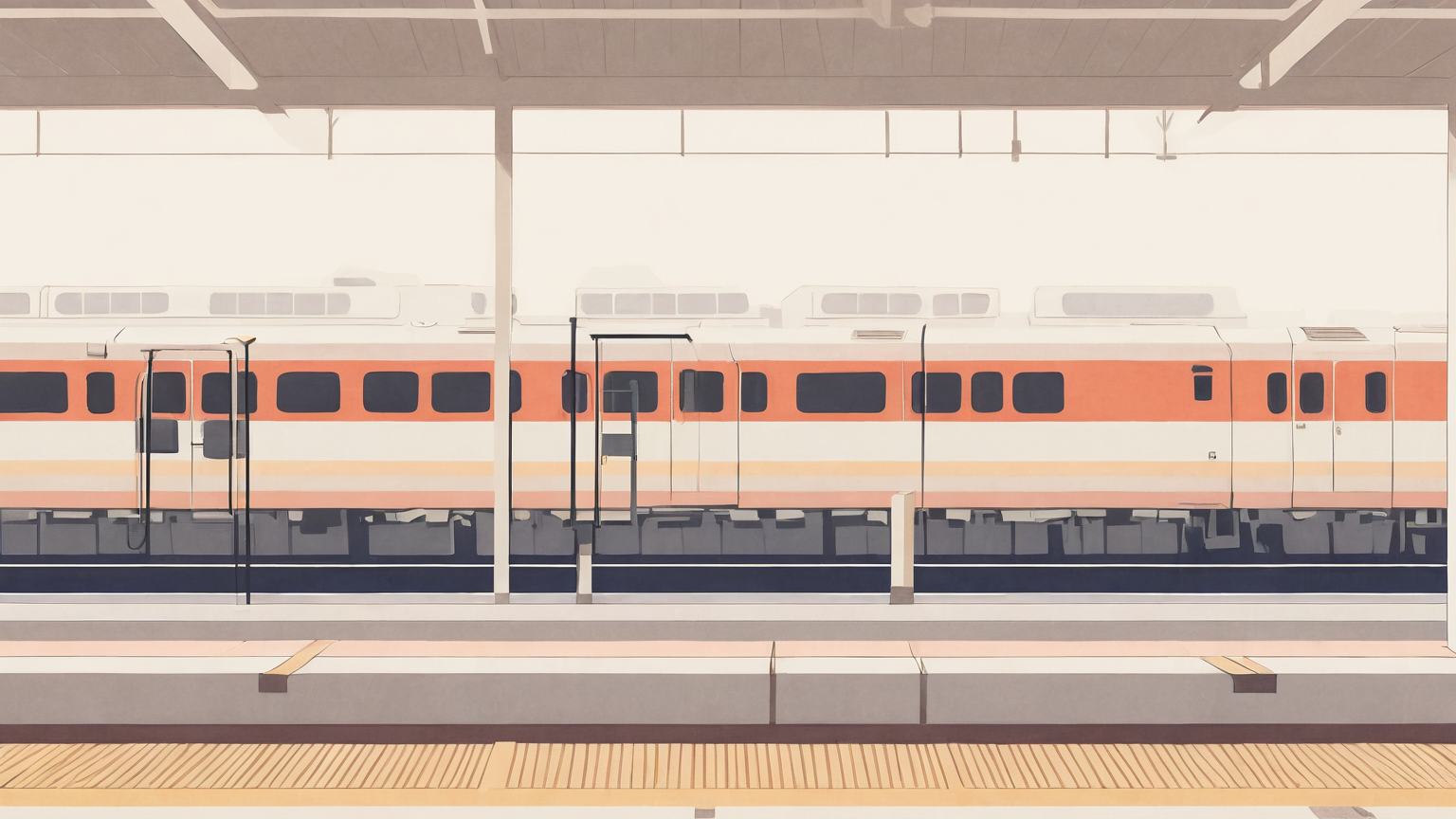
Use this transport sequence:
- check immediate safety and follow crew or station instructions;
- confirm the operator and exact line, not just the citywide rumor;
- distinguish “inspection,” “suspended,” “partial service,” and “resumed”;
- avoid moving to another station until that route is verified;
- preserve battery and keep the group together;
- if overnight disruption is possible, ask staff or authorities about designated waiting arrangements;
- rebook only when the alternative is actually operating and does not move you toward a hazardous coast or damaged district.
Do not begin a long highway walk because a map predicts two hours. Heat, rain, debris, closed bridges, traffic, and aftershocks can make that route unsafe. If accommodation is intact and authorities advise sheltering there, waiting may be safer than improvised relocation.
Emergency calls and traveler support
In Japan, 110 is for police emergencies and 119 is for fire or ambulance emergencies. Give the location first: accommodation name, station, platform or exit, nearby intersection, floor, and recognizable non-sensitive landmark. If you cannot speak Japanese, ask a staff member or nearby person to assist when available, but do not delay a life-safety call solely to find a translator.
JNTO’s Japan Visitor Hotline provides visitor assistance information, including support during emergencies. Treat it as a traveler-support channel, not a substitute for police, fire, ambulance, evacuation orders, or your embassy. Save the current hotline number from the official page rather than copying an old number from a blog.
The U.S. Department of State Japan advisory is directly relevant to U.S. citizens and links to enrollment and embassy information. Travelers of other nationalities should save their own government’s official consular contacts. An embassy normally cannot direct local rescue operations, reopen transport, or guarantee accommodation, but it may help with welfare communication and lost-document procedures.
Kit math for an independent day out
A compact carry kit should improve mobility, not make evacuation harder. Consider water, a light, whistle, basic first aid, necessary personal medication, a small power bank, cable, weather layer, cash in small denominations, and an offline contact/location card. Pack for your health and route; do not treat a generic list as medical advice.
Hypothetical carry calculation:
| Item group | Assumption | Estimated mass |
|---|---|---|
| Water | three 500 mL bottles; water is about 1 kg/L | 1.5 kg |
| Battery, light, cable | one compact set | 0.4 kg |
| Rain layer and warmth | light travel layers | 0.6 kg |
| First aid, medication, snacks | individual example | 0.8 kg |
| Small backpack | empty | 0.7 kg |
| Total | 1.5 + 0.4 + 0.6 + 0.8 + 0.7 | 4.0 kg |
This is a hypothetical mobility check, not a water-supply recommendation. Three small bottles may be inadequate in heat, for medical needs, or for a long disruption; carrying 4 kg may be unsafe for another traveler. Adjust with a clinician or caregiver where needed, and use official distribution points rather than hoarding supplies.
For personal health items, the travel medical kit guide offers a broader pre-trip framework. Keep prescriptions in lawful, identifiable packaging, but do not publish prescription labels, passport scans, or insurance numbers when asking strangers for help.
Waiting areas, shelters, and privacy
A designated evacuation site, temporary rest area, and overnight shelter are not always the same place. Follow municipal and staff directions. Register only the information legitimately requested, keep valuables with you, and respect separated family, accessibility, and medical spaces. Do not photograph other evacuees or post their location without consent.
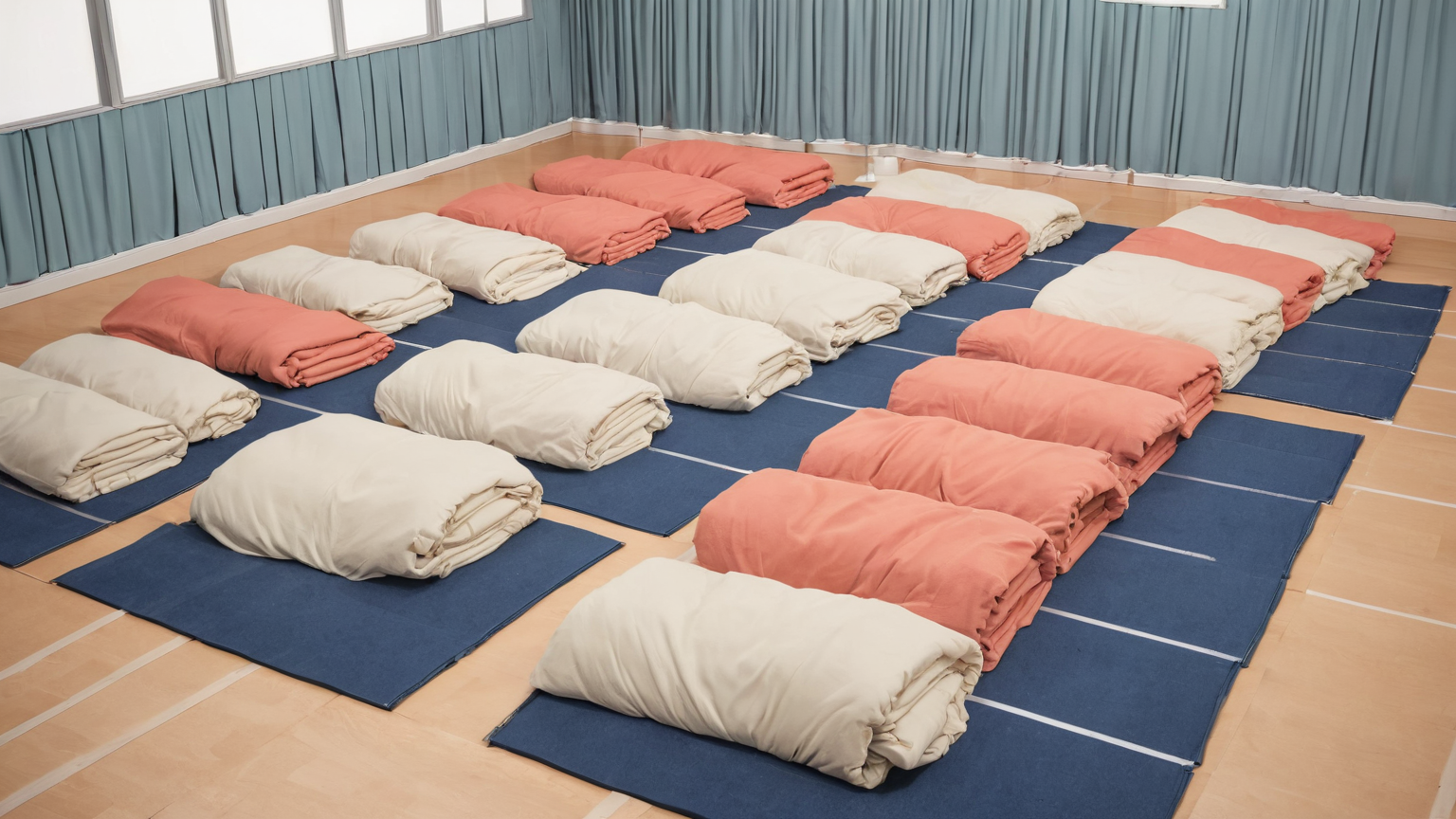
At higher ground, stay back from edges and traffic, keep access clear for responders, and wait for an official all-clear. Weather exposure can become the next hazard, so use available shelter and layers without descending into a warned area.
Evidence and money decisions after safety
Once immediate danger has passed, record facts without obstructing responders: operator messages, cancellation notices, accommodation communications, safe photographs of your own damaged property, necessary replacement purchases, and receipts. Do not enter a closed room or restricted station to improve a claim.
The site’s travel insurance claim evidence checklist explains how to preserve a timeline. Coverage depends on the policy, event, warnings, exclusions, and purchase date. Insurance cannot make an unsafe route acceptable and should never delay evacuation or medical care.
Use a spending hierarchy: essential transport from danger, necessary shelter, medicine and food, then itinerary recovery. Verify that an alternative airport, hotel, or train is operating before paying. Be cautious with strangers demanding cash for unofficial “priority evacuation,” and never hand over a passport as collateral.
Final 10-minute pre-trip setup
- Save JMA earthquake and tsunami pages in the browser.
- Configure at least one multilingual alert source.
- Ask coastal lodging for the exact high-ground route and alternative.
- Identify stairs, exits, and an in-room protection spot.
- Put shoes, light, key, phone, and small bag within reach.
- Save 110, 119, JNTO support, insurer, and consular contacts.
- Store the lodging address in Japanese and English offline.
- Set a family check-in and reunion rule.
- Keep a realistic battery reserve and compact carry mass.
- Know the stop conditions: no coast watching, no damaged buildings, no tracks, no barrier crossing, no return before all-clear.
Limitations
This plan cannot identify whether a particular building will remain safe, how quickly a tsunami could reach a shore, which route will be open, how long transport will stop, or what a specific person can carry. Early warnings may arrive with little lead time or not before local shaking; phones can fail; local instructions can change as damage is assessed.
Do not use the 20-minute route example as a deadline, the 4 kg kit example as a universal target, or an illustration as an evacuation map. Check the current municipality and accommodation plan for each stop. If official sources conflict with this article, follow the current official source and on-scene authorities.
The goal is not to predict the earthquake. It is to make the next conservative action obvious: protect yourself during shaking, move away from coastal danger promptly, obey local controls, communicate briefly, and postpone itinerary and claim decisions until people are safe.