Hurricane Season Travel Backup Plan: Flights, Hotels, Insurance, and Documents for 2026 Trips
A practical hurricane-season travel checklist for U.S. and Caribbean trips: monitor official alerts, understand airline refunds, protect documents, plan lodging, and decide when to postpone.
Hurricane-season travel is not automatically unsafe, but it is unforgiving when travelers treat weather as a last-minute inconvenience. A tropical system can close airports, cancel ferries, flood roads, interrupt power, limit hotel rooms, and make a “cheap extra night” impossible. This guide was reviewed on May 31, 2026 using NOAA, National Weather Service, U.S. DOT, State Department, Ready.gov, TSA, and CDC travel resources. It focuses on planning decisions, not storm forecasting. Always follow local emergency instructions and official weather alerts.
Backup-plan table
| Travel piece | Decide before departure | Evidence to save |
|---|---|---|
| Flight | Refund, rebooking, and alternate airports | Airline notices and DOT policy links |
| Hotel | Cancellation deadline and extra-night plan | Confirmation and direct hotel contact |
| Insurance | Covered reasons and documentation | Policy certificate and claim steps |
| Documents | Offline copies and emergency contacts | Passport, ID, medical, itinerary backups |
| Safety | Trigger to postpone or leave early | Official alerts and local orders |
Watch official sources, not screenshots
Start with the National Hurricane Center, National Weather Service, local emergency management, airline alerts, hotel messages, and official tourism or government notices. Social posts can be useful clues, but they should not drive safety decisions alone. For international or cruise trips, check the State Department and destination rules. Put the links in one note before travel so you are not searching during a bad connection.
Know the refund and rebooking difference
A refund, a travel credit, a fee waiver, and a voluntary itinerary change are different. U.S. DOT rules and airline policies matter when flights are cancelled or significantly changed, but your exact rights depend on facts and timing. Save the original itinerary, cancellation notice, chat transcripts, and receipts. If you accept a new itinerary or credit, understand what you are giving up.
Hotels and rentals need a second plan
Flights get attention, but lodging can be harder. Ask whether the property remains open during storms, whether roads flood, whether generators support guest rooms or only common areas, and what happens if you cannot arrive. For vacation rentals, check host cancellation rules and local evacuation instructions. Keep direct phone numbers, not only app messages. If traveling with children, older adults, pets, or medical equipment, do not rely on improvising after rooms sell out.
Travel insurance is not a magic undo button
Read the covered reasons, exclusions, documentation requirements, purchase timing, and whether “cancel for any reason” coverage exists. A forecast alone may not be enough for every policy. Keep receipts for extra lodging, meals, transportation, and essential purchases. If the trip is expensive, compare insurance before storm names appear rather than after a threat is obvious.
Pack for delay, not disaster tourism
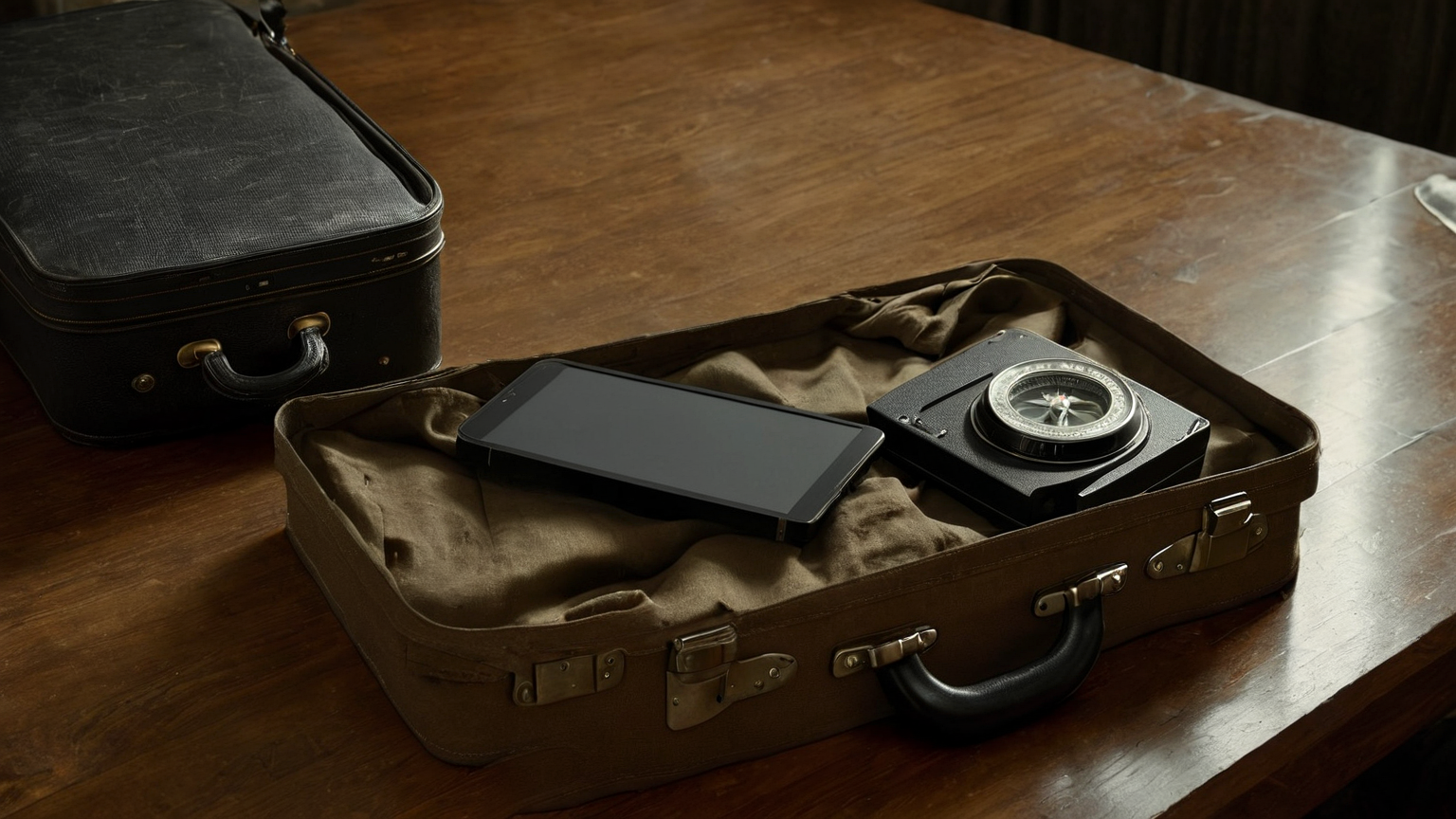
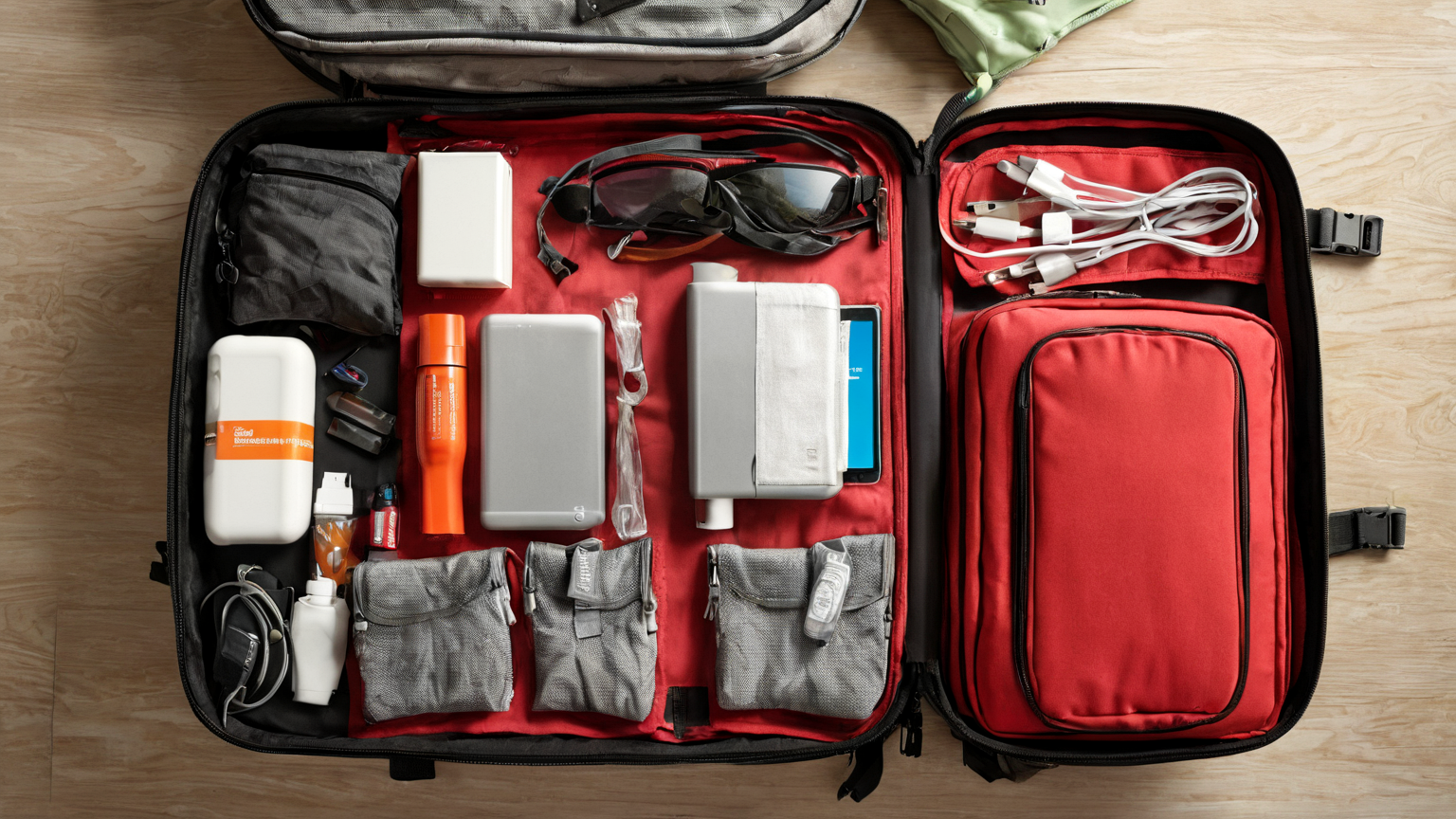
A practical kit includes medication, chargers, power bank, snacks, water plan, rain layer, copies of documents, payment backup, and a small flashlight. Do not pack irreplaceable documents in checked luggage. If you rely on refrigerated medication or powered medical equipment, call the airline, hotel, and insurer before departure. Keep children’s comfort items accessible because a long airport delay is easier when essentials are in the carry-on.
Set decision triggers
Before the trip, decide what would make you postpone, leave early, change airports, or move inland. Triggers might include a hurricane watch, evacuation order, airport closure risk, ferry cancellation, hotel power limits, medical needs, or inability to extend lodging safely. Writing triggers in advance reduces the temptation to keep going because money is already spent.
If disruption happens
Use official alerts first. Contact the airline or hotel through documented channels. Avoid unnecessary road travel during flood risk. Keep receipts and time-stamped notices. If abroad, know how to contact local emergency services and the nearest U.S. embassy or consulate. If you are safe but delayed, focus on documentation, medication, lodging, and communication before sightseeing or nonessential errands.
FAQ
Should I cancel whenever a storm is forecast? Not automatically. Use official forecasts, destination impact, airline/hotel policies, and your personal risk profile.
Is a credit the same as a refund? No. Read the airline notice and DOT guidance for the specific disruption.
What matters most for families? Medication, safe lodging, document backups, extra time, and a clear trigger for postponing or leaving early.