EU Entry/Exit System Travel Checklist for 2026 Trips
What non-EU travelers should prepare for the EU Entry/Exit System: passports, border timing, families, connections, documents, and backup plans.
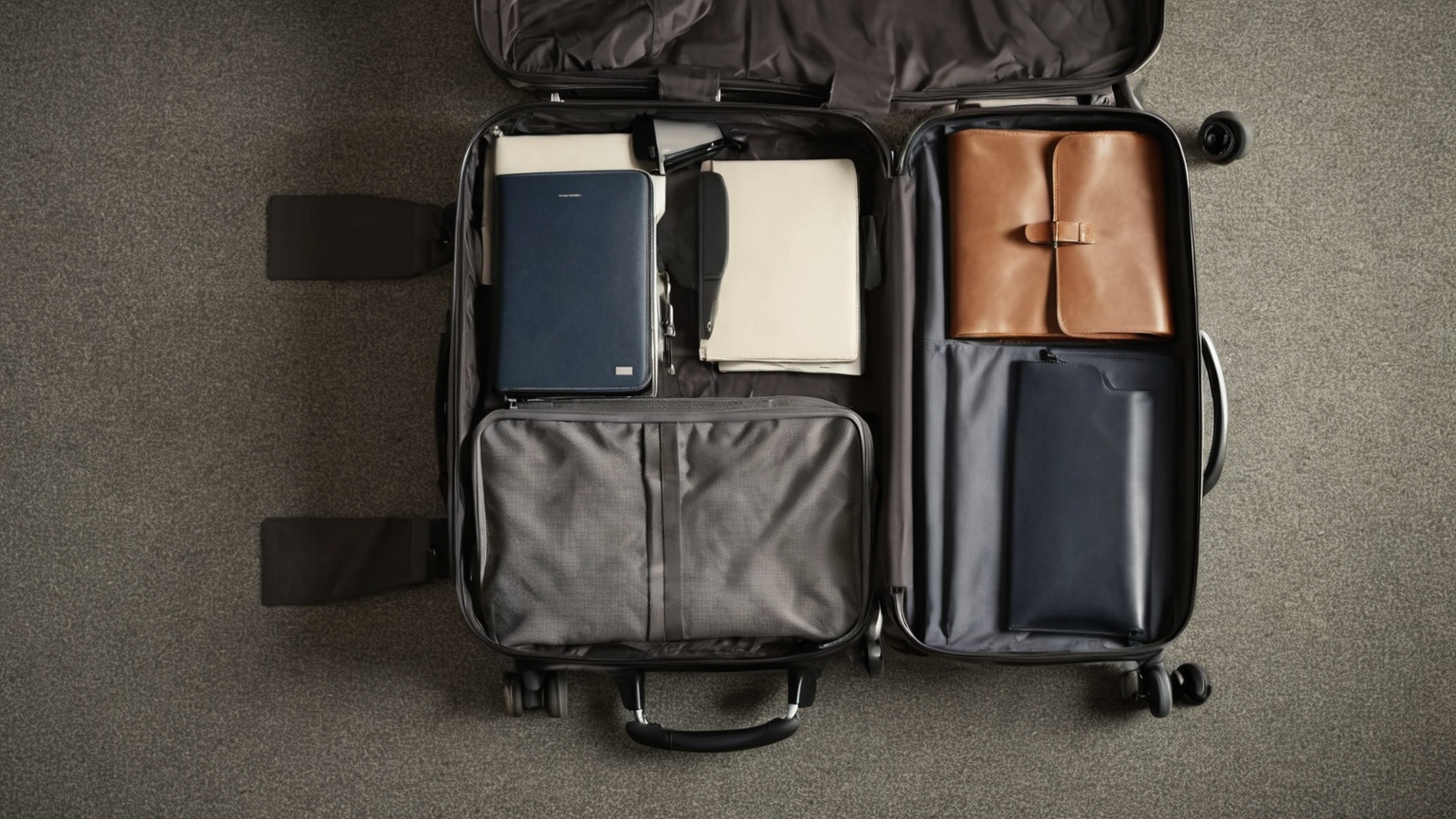
As of May 28, 2026, travelers planning Schengen-area trips should treat the EU Entry/Exit System as a border-process planning item, not just a news headline. EES is intended to record entry and exit information for many non-EU travelers crossing external borders of participating European countries. The practical travel question is simple: what should you prepare so the first arrival day does not ruin the itinerary?
What changes for the traveler
Expect more emphasis on passport validity, identity checks, biometric capture where required by the system, and accurate records of entry and exit. Border officers still make decisions, and the exact airport or port experience can vary. Do not assume every lane, kiosk, or family process will feel identical during rollout.
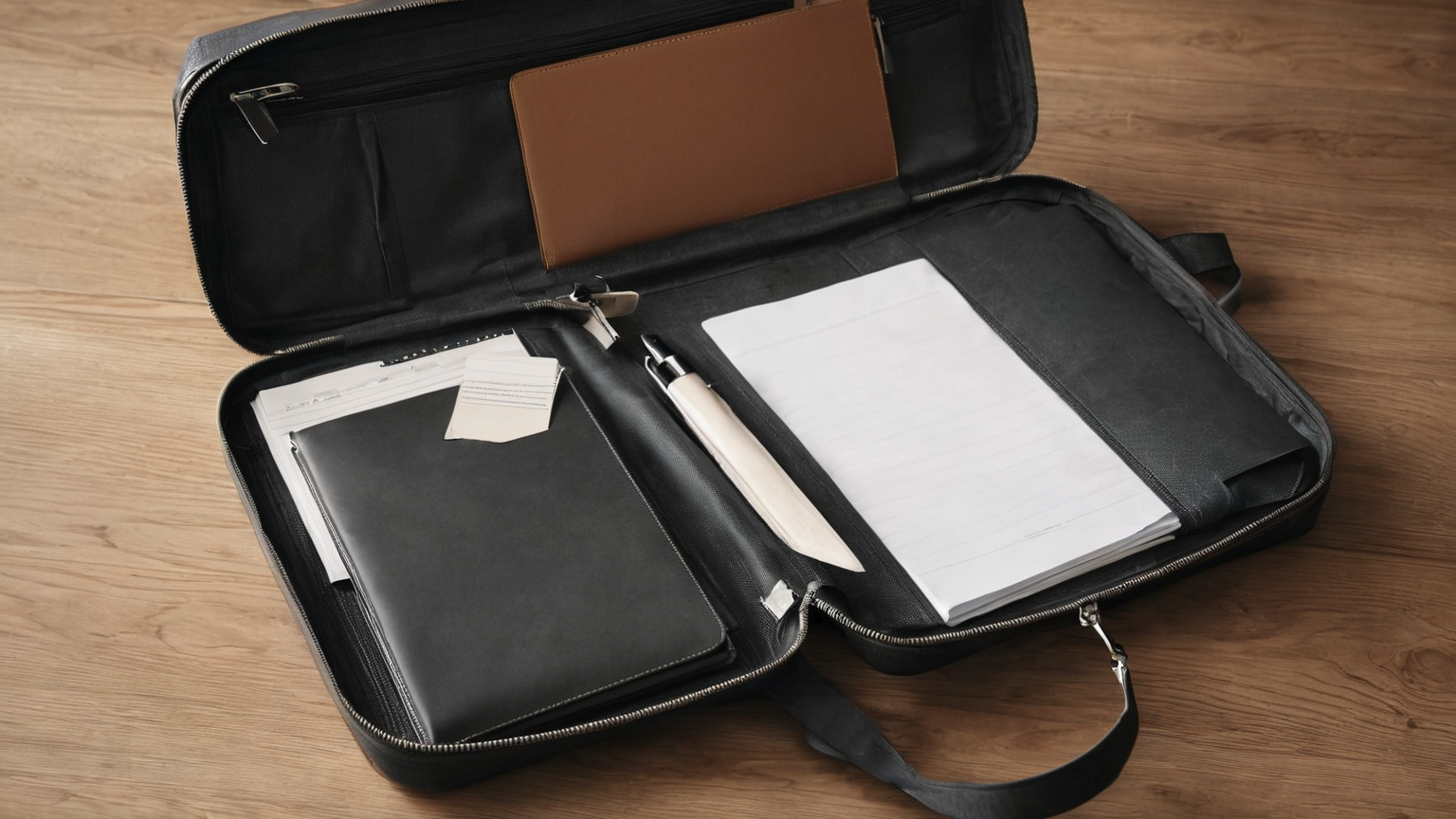
Pre-trip checklist
| Task | When to do it | Why it matters |
|---|---|---|
| Check passport validity | Before buying nonrefundable travel | Some destinations require validity beyond trip dates |
| Confirm visa or authorization status | Before booking | EES does not replace visa rules or future ETIAS requirements |
| Print or save first-night address | Before departure | Border questions can include stay purpose and accommodation |
| Leave arrival buffer | While booking | New processing can add time at external borders |
| Prepare children and older travelers | Before airport day | Biometric and queue steps are easier when expectations are clear |
| Keep return/onward proof accessible | Travel day | Officers may ask about intended exit |
Arrival-day tactics
Book the first day lightly. If you land in the morning, avoid prepaid afternoon tours that require a tight transfer. Keep passports, hotel address, return itinerary, and insurance details easy to reach. If you are connecting from a long-haul flight to a separate low-cost carrier ticket, build a larger buffer because immigration, baggage, terminal transfer, and security can stack delays.

Families and groups
Families should rehearse the basic sequence: stay together until instructed, keep each passport with the right traveler, and avoid letting one adult carry every document in a separate line. If a child is tired, hungry, or anxious, border processing feels longer. Pack snacks, water after security where allowed, and a small activity that does not require audio.

EES, ETIAS, visas, and the 90-day rule
EES and ETIAS are often discussed together, but they are not the same. Visa requirements, visa-free stay limits, passport validity rules, and carrier checks remain separate travel planning items. If your itinerary spans multiple Schengen countries, count total days carefully and keep proof of exits, especially for complex rail, cruise, or multi-entry trips.
Backup plan
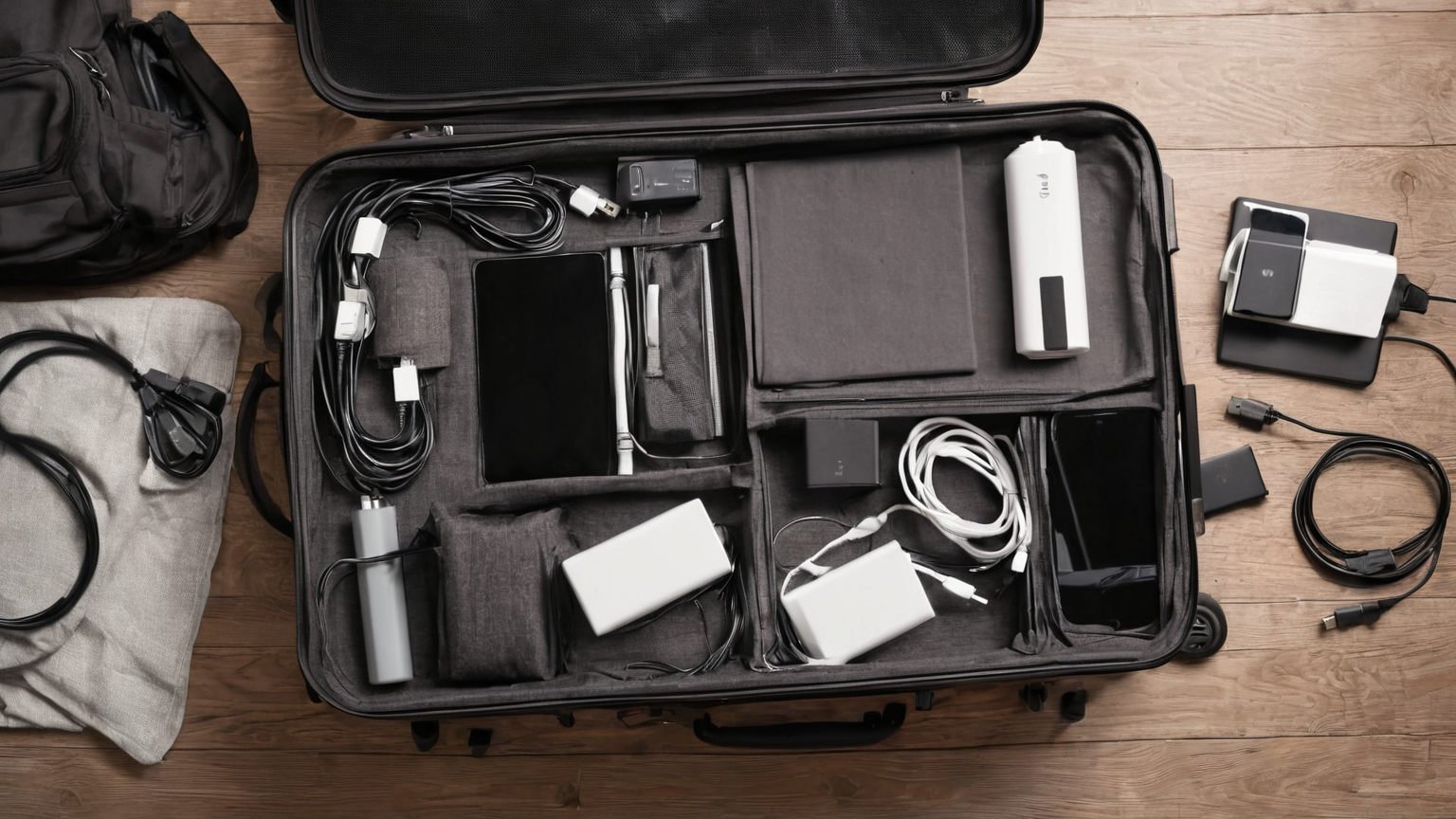
Save offline copies of passport scans, hotel confirmations, return tickets, travel insurance, and emergency contacts. Keep a charged power bank. If a border delay causes a missed separate-ticket connection, airline protection may be limited. This is why the cheapest itinerary is not always the lowest-risk itinerary.
The right mindset is conservative planning: official sources for rules, extra time at first entry, and fewer assumptions about how quickly a new border process will feel at your exact airport.